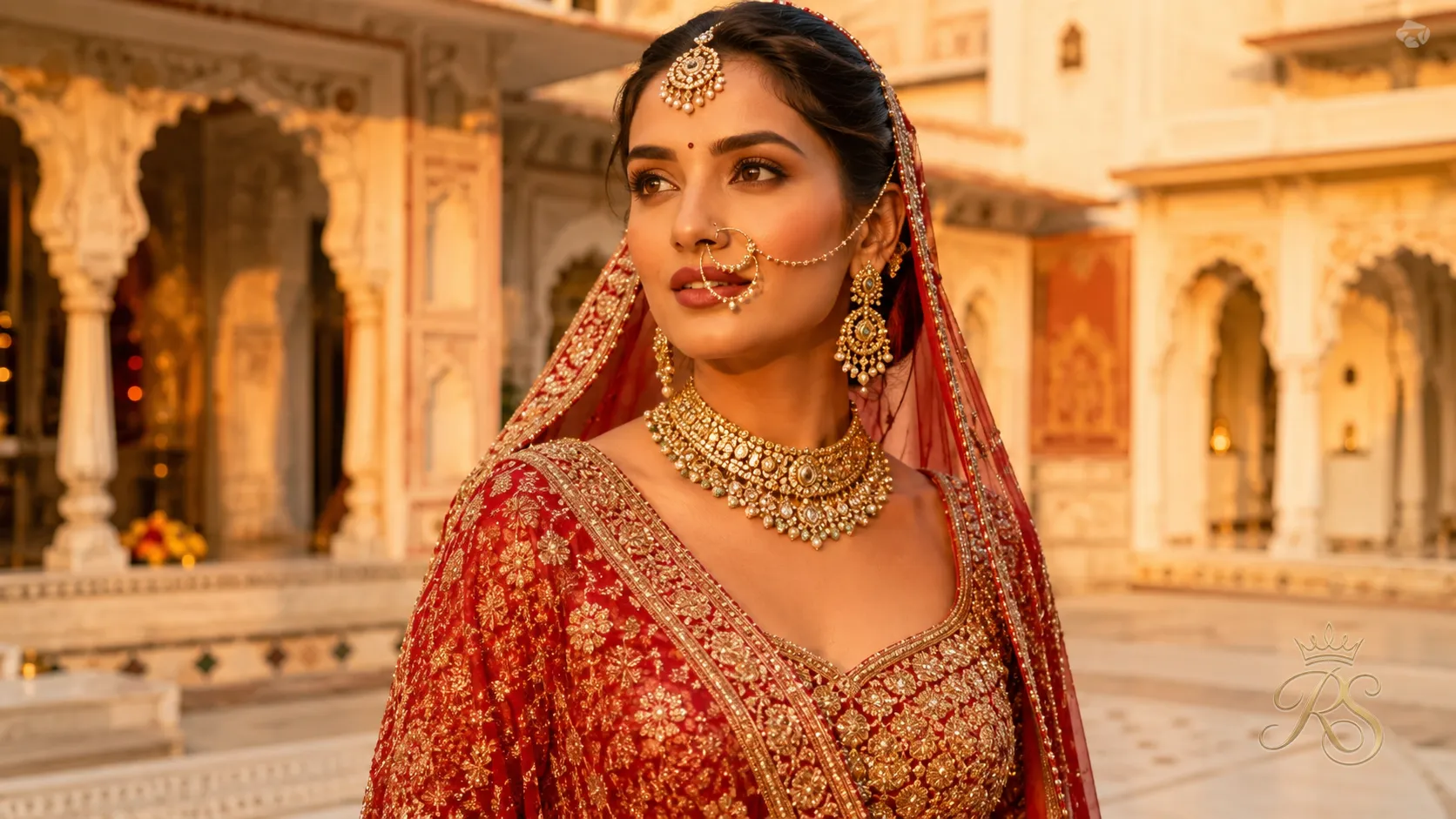
The dupatta is often the last thing brides think about while shopping — and the first thing everyone notices in every wedding photograph. How it's draped can soften a heavy lehenga, elongate the frame, or completely change the mood of a bridal look. This guide walks through the most popular draping styles worn by Indian brides today, how to pick one for your outfit and body type, and the small pinning tricks that keep it picture-perfect through hours of rituals and dancing.
Why Dupatta Draping Deserves Its Own Plan
A lehenga can be finalized months in advance, but the dupatta drape is usually decided the morning of the wedding — often by whoever is available to pin it. That's a mistake, because the drape changes the entire silhouette of the outfit, sometimes more than the lehenga itself.
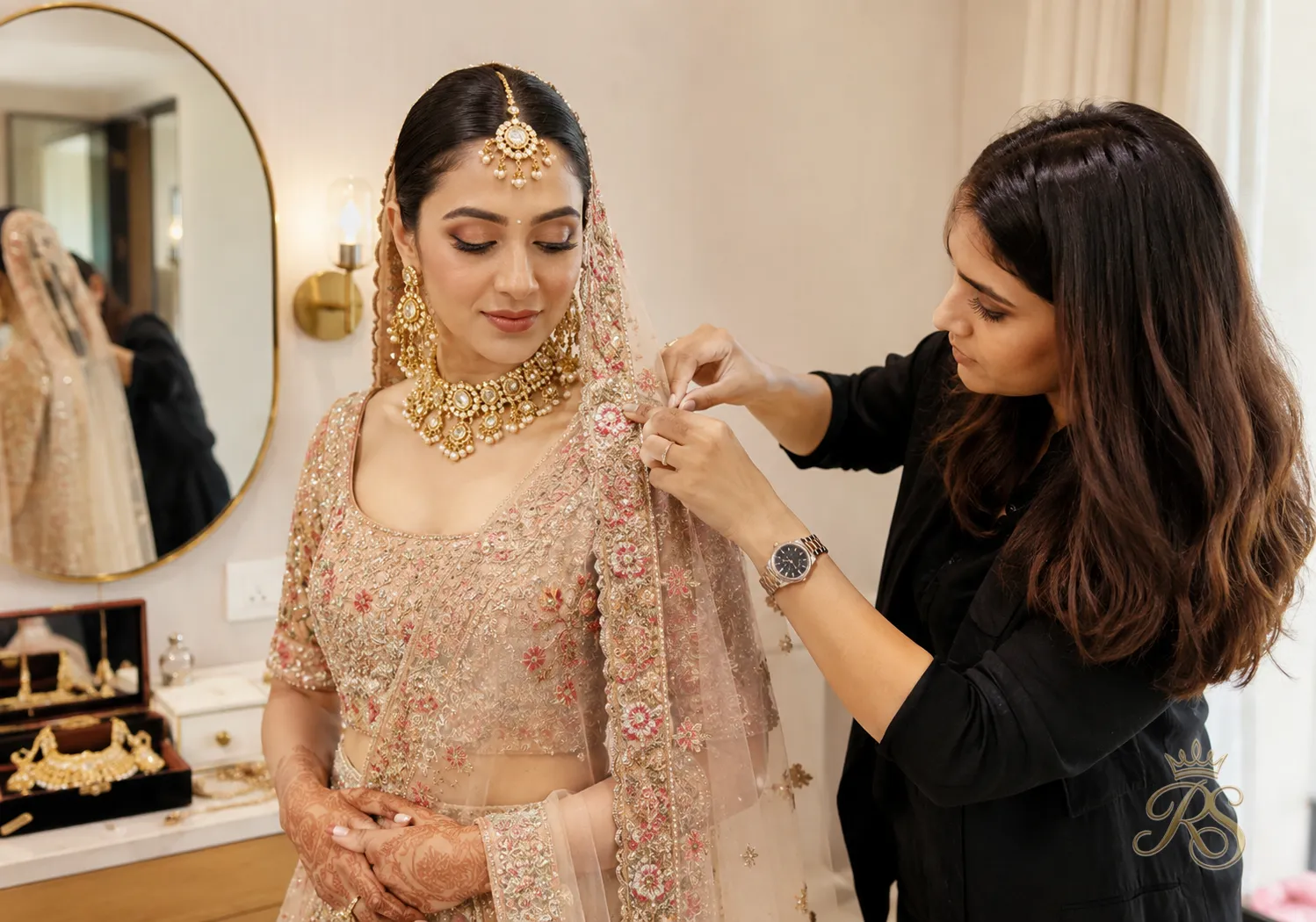
Plan it early: decide your drape style before the wedding morning, not during it.
The right drape can hide a fuller arm, highlight embroidery you paid extra for, or keep the dupatta secure through a four-hour phera without needing constant readjustment.
Do a full trial run of your chosen drape with your actual blouse and lehenga at least two weeks before the wedding — fabrics that look great loose on a hanger can behave very differently once pinned and pleated.
Understanding Dupatta Fabric & Weight
Before picking a style, consider what the dupatta is made of. A heavily embellished net dupatta drapes and pleats very differently from a flowing georgette or a stiff banarasi silk, and the fabric often decides which styles will even hold their shape.
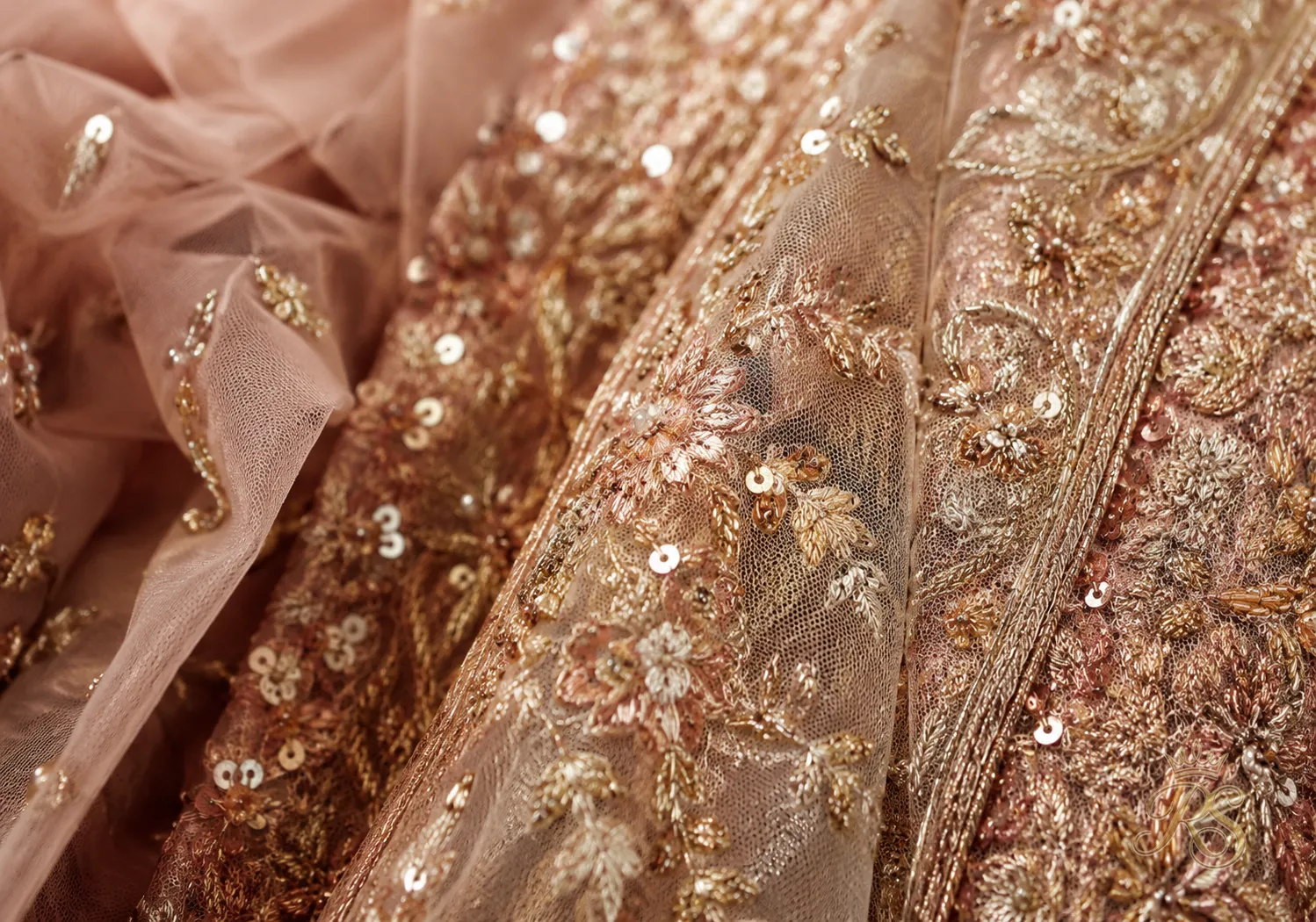
Heavier net and velvet dupattas hold structured drapes like the cape style well.
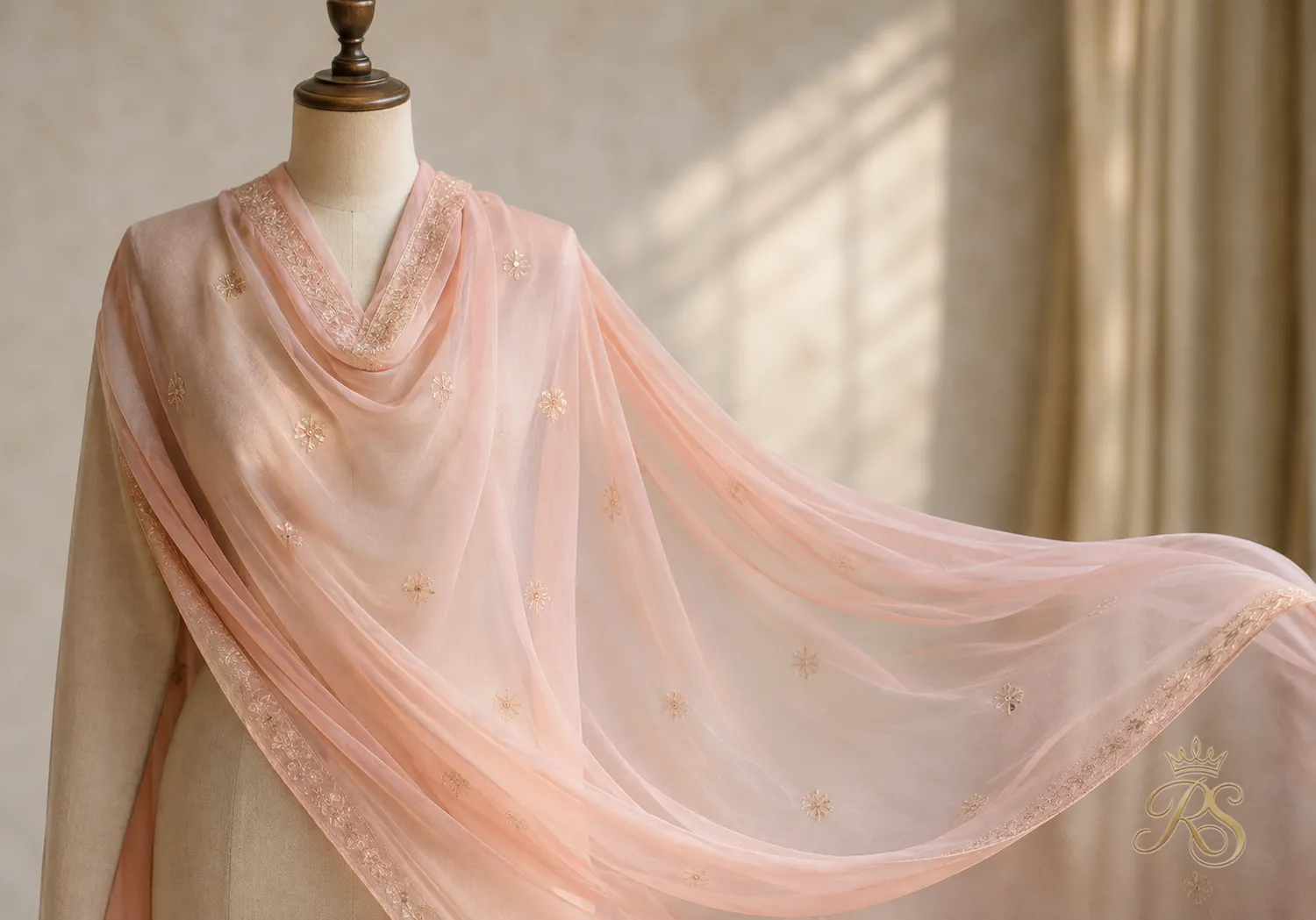
Lighter georgette and chiffon fall softly, ideal for front pallu and one-shoulder drapes.
If your dupatta is on the heavier side, ask your tailor about adding small fabric loops or discreet velcro points at the shoulder — they keep the drape in place without a single visible pin.
The Nivi-Inspired Traditional Drape
The most recognizable bridal drape takes its cue from the Nivi saree style — the dupatta is pleated and pinned over one shoulder, with the pallu allowed to fall gracefully down the back or front.
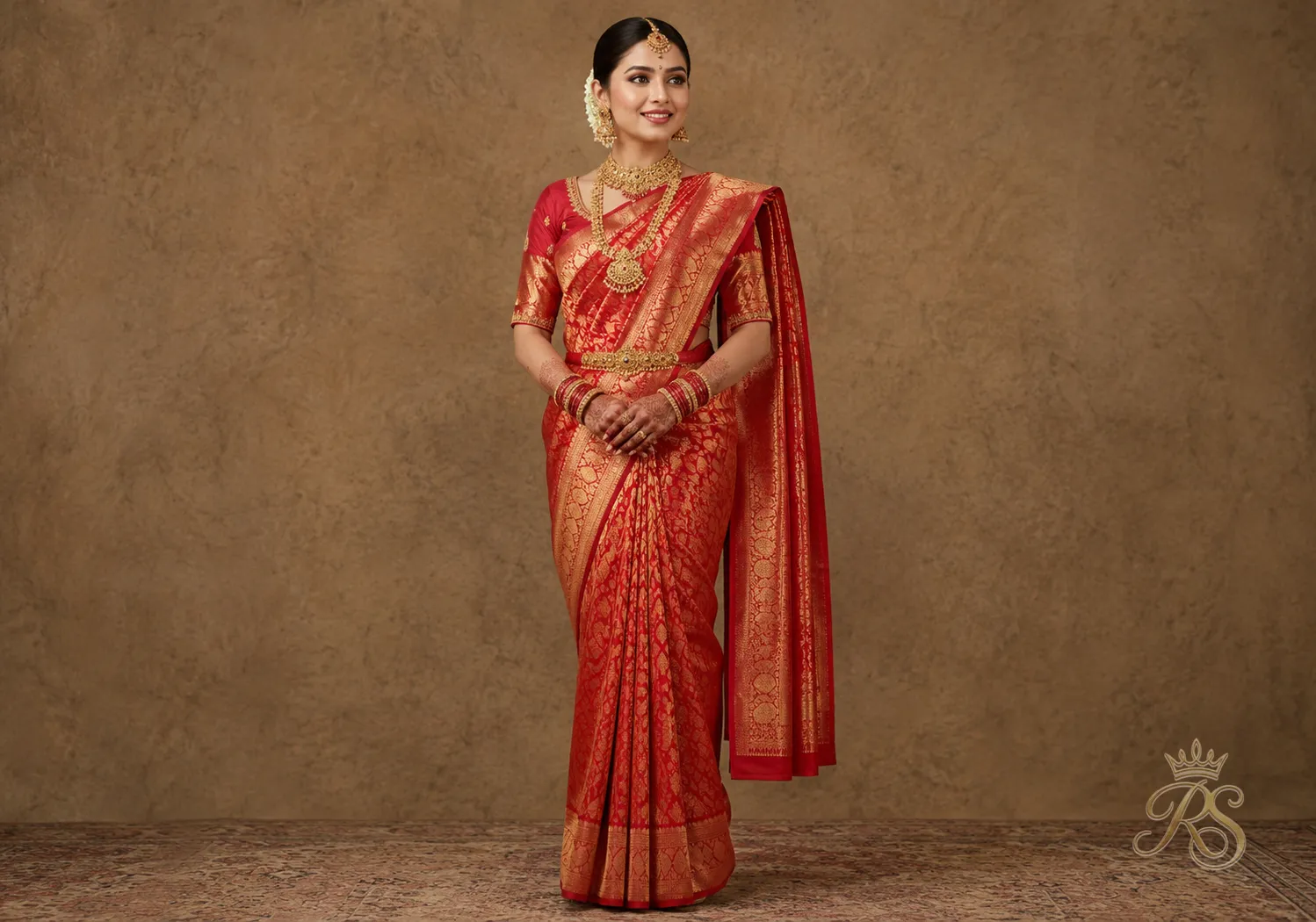
Timeless choice: works with almost every lehenga silhouette.
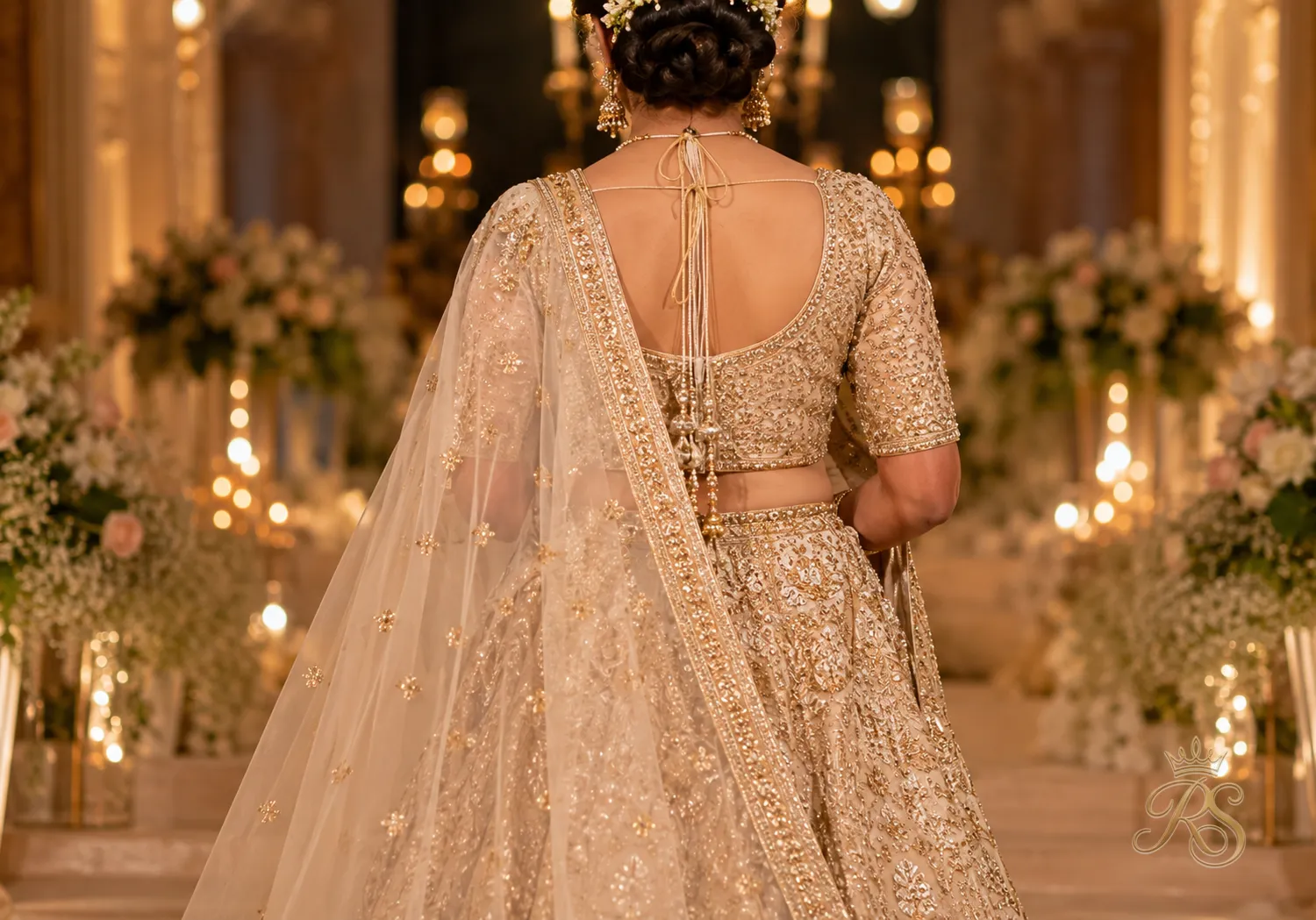
- Best for brides who want their blouse embroidery to stay visible
- Flatters most body types since the drape falls naturally along the frame
- Needs a firm shoulder pin, especially for outdoor or dance-heavy events
The Double Dupatta Drape
A growing favorite for grand weddings, the double dupatta look layers two dupattas — often in contrasting colors or one plain and one heavily embellished — for a more regal, layered silhouette.
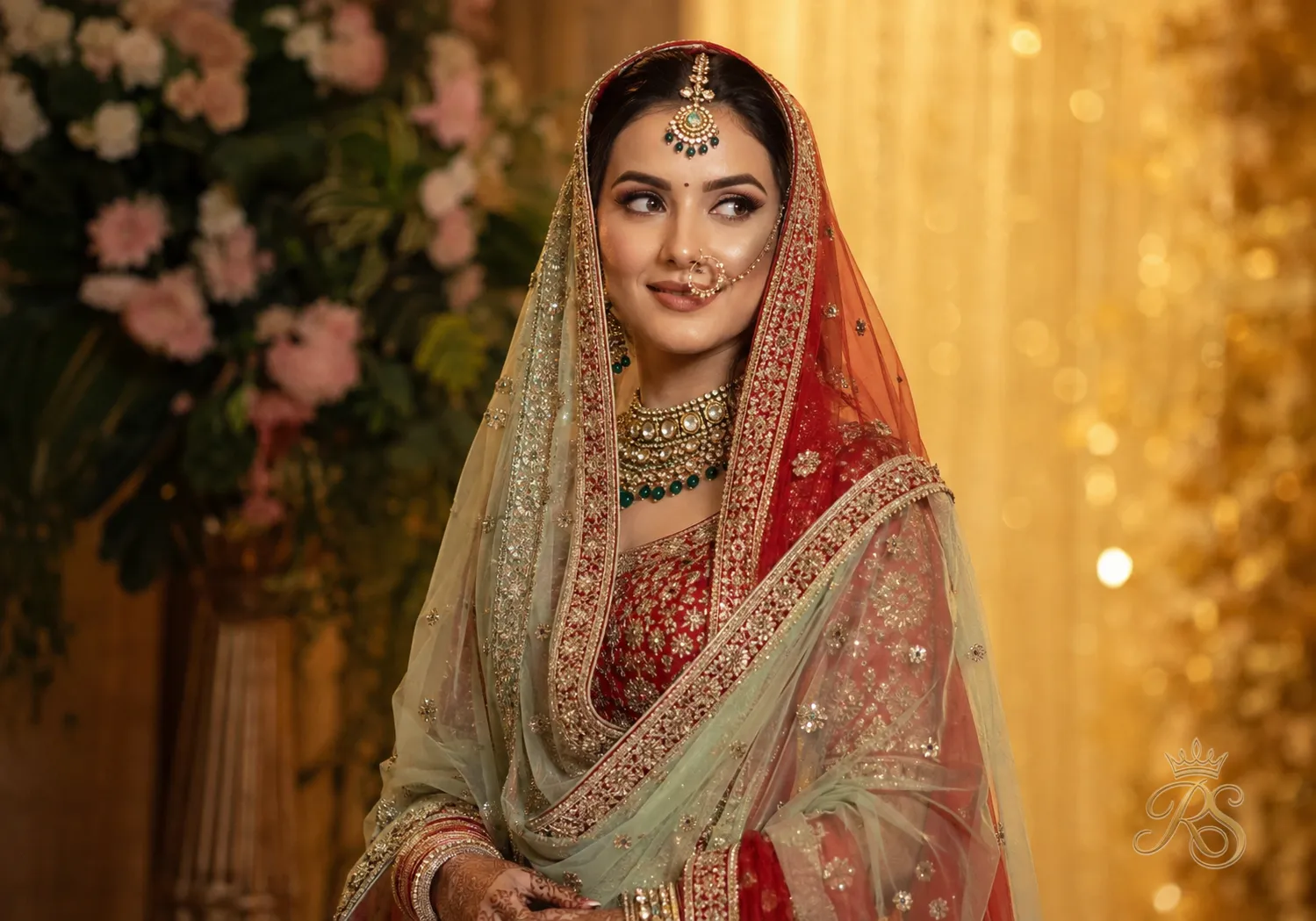
Extra drama: one dupatta drapes over both shoulders, the second falls from one shoulder alone.
This style photographs beautifully from behind and adds volume without adding weight to the lehenga skirt itself — a good option if you want a grander look without a heavier outfit.
Cape-Style Dupatta Draping
Popularized by celebrity weddings, the cape drape turns the dupatta into a structured, flowing train that attaches at the shoulders like a cape rather than being pleated and tucked at the waist.
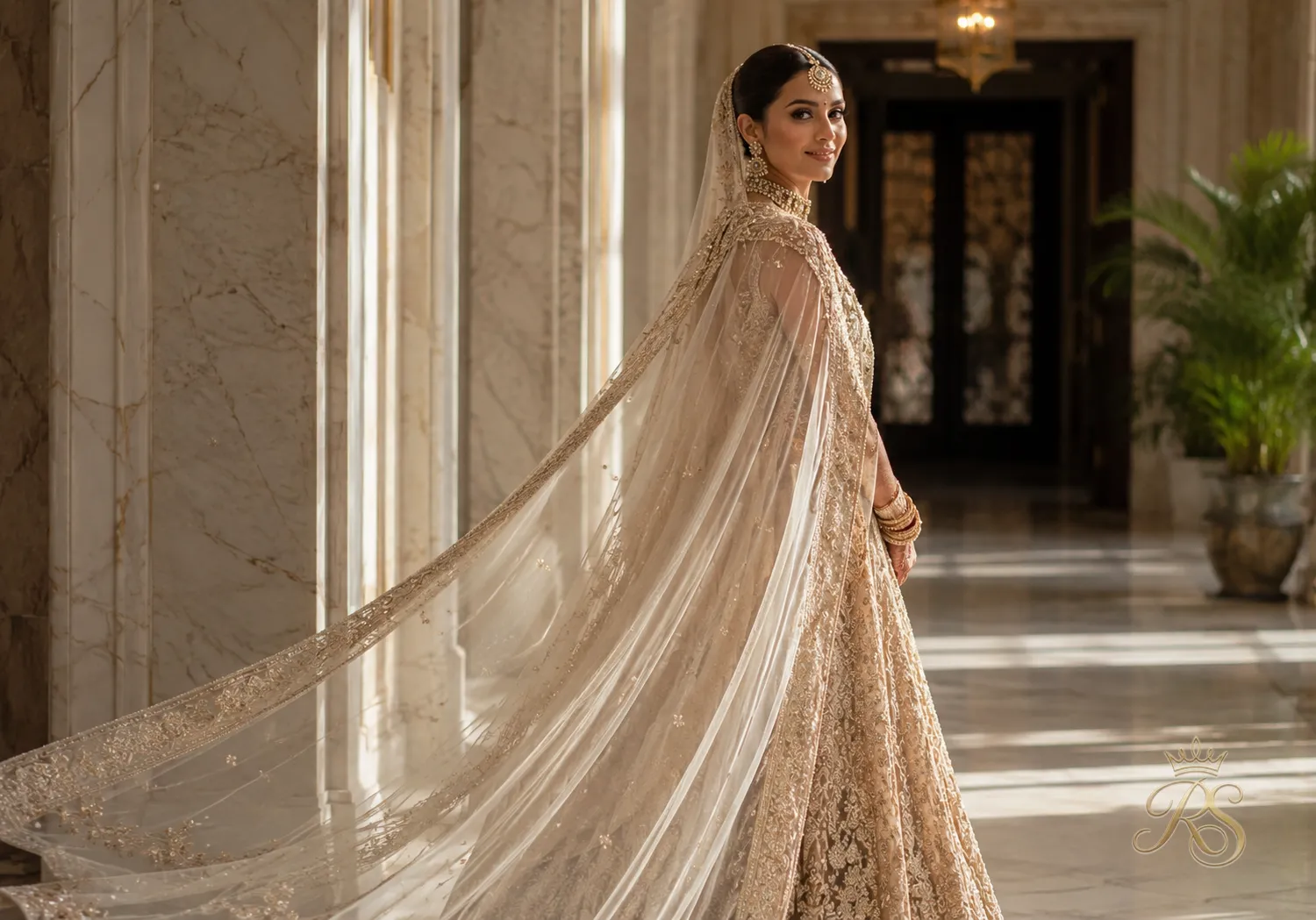
Flowing Cape
Attached at both shoulders and left completely open, this drape suits destination and evening weddings.
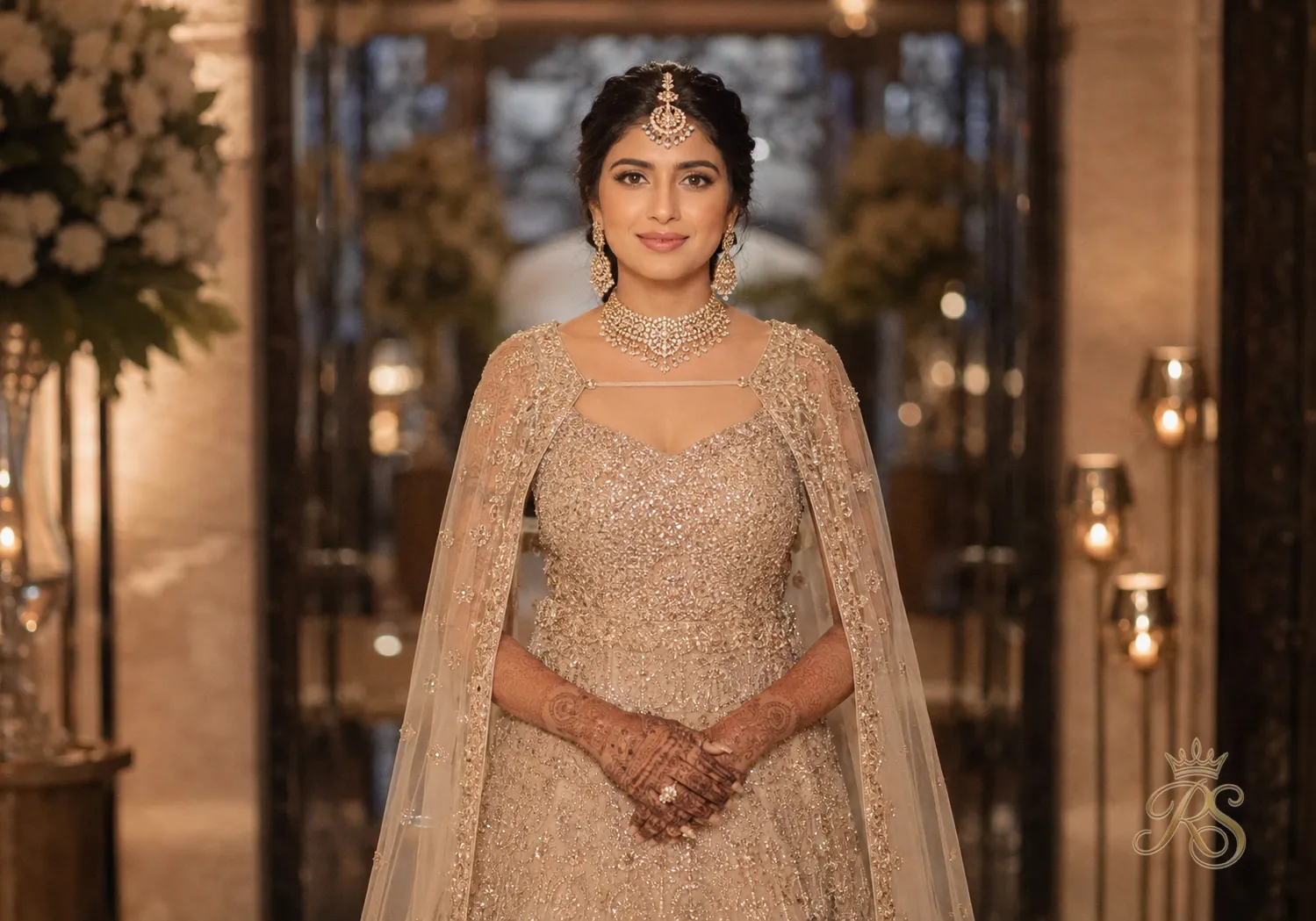
Pre-Stitched Cape
Tailored and stitched in advance, this version needs no pinning and stays put through the entire event.
Because it doesn't need constant pinning, the cape style is one of the most comfortable options for brides who plan to dance or move around a lot during their reception.
Front Pallu & One-Shoulder Drapes
For brides who prefer a lighter, more relaxed look, the front pallu drape brings the dupatta forward over one shoulder and lets it fall in soft pleats down the front, rather than trailing behind.
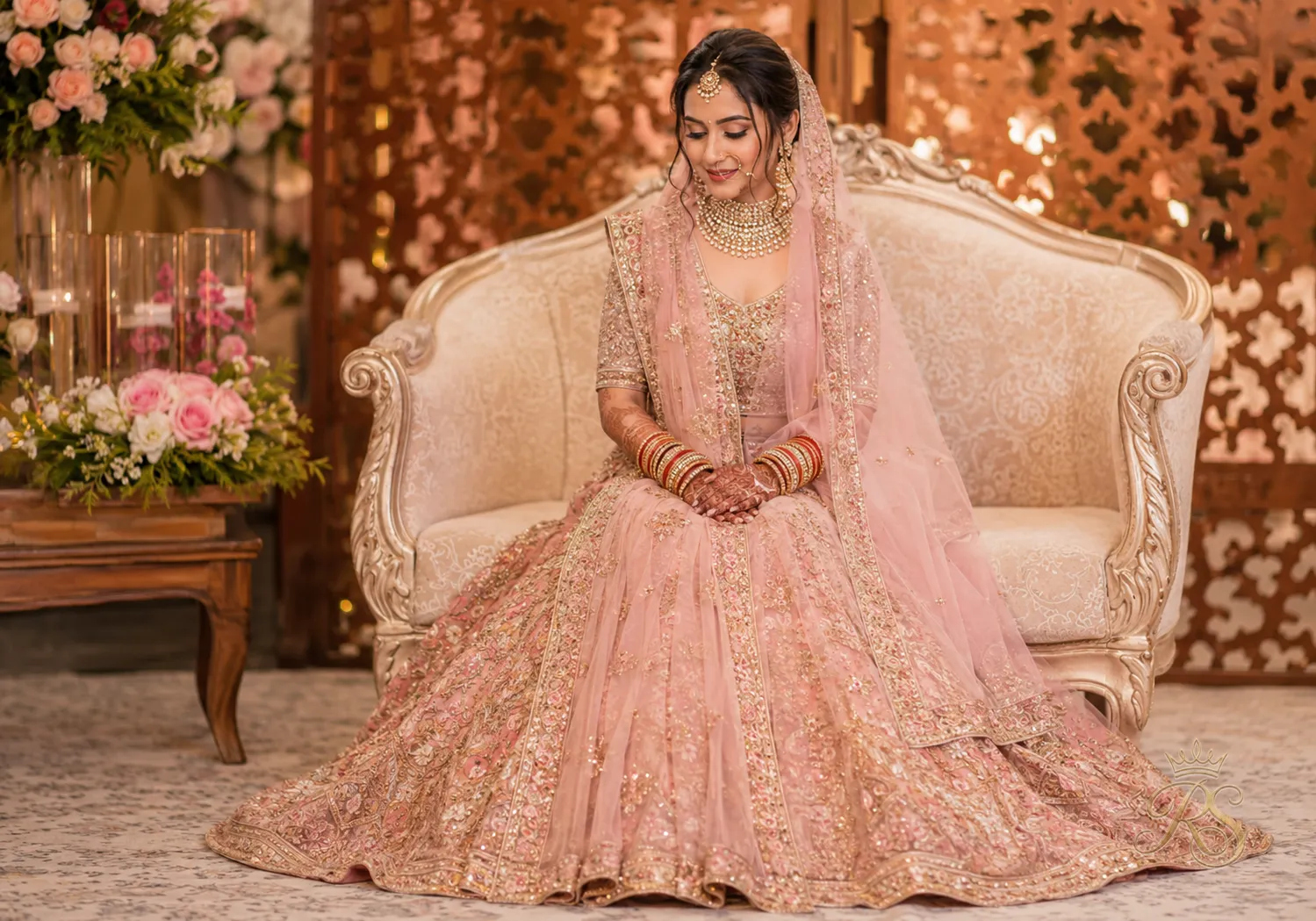
Keeps the focus on the lehenga's front panel and midriff detailing.
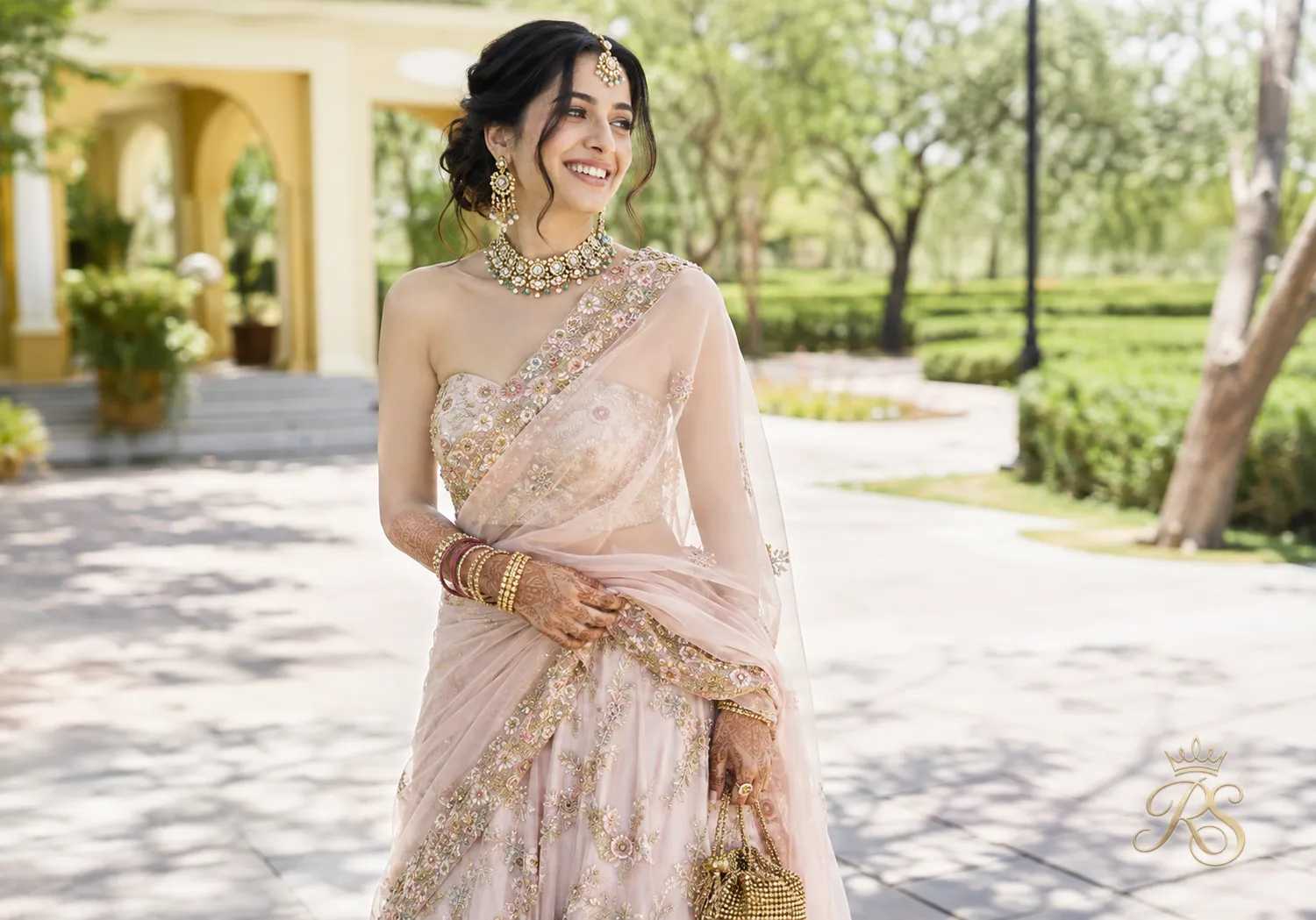
A softer, less formal option that works well for daytime or mehendi-adjacent events.
This style is a favorite for brides in warmer months or outdoor venues, since it uses less fabric layered over the body and feels noticeably cooler.
Regional Dupatta Draping Traditions
India's regional styles bring centuries of tradition to dupatta draping, and many modern brides are reviving these looks instead of the standard Nivi pin-up.
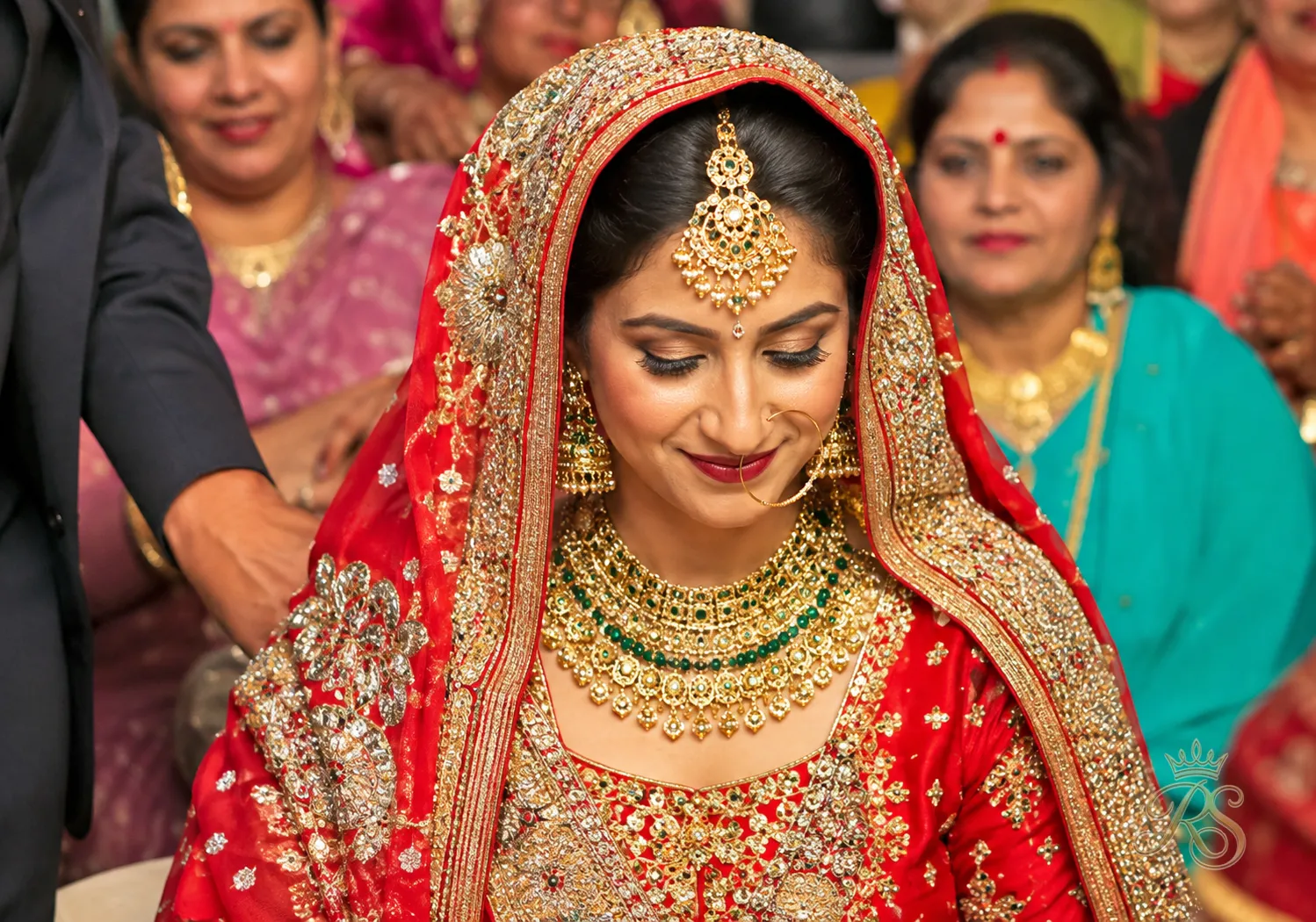
The Chunni Drape
A longer, heavier dupatta draped over the head and both shoulders, often held by close family during rituals.
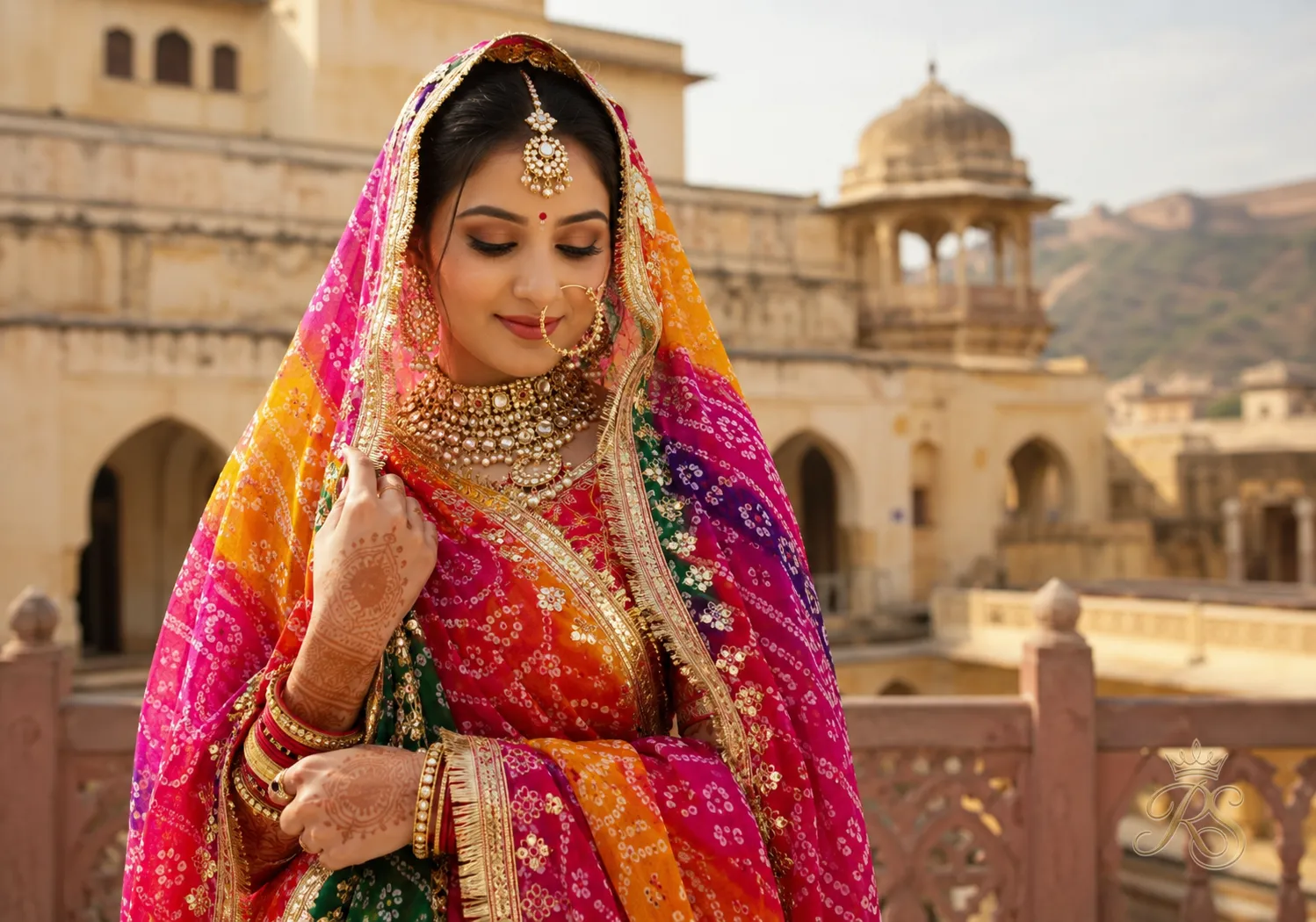
The Odhni Drape
A vibrant bandhani or gota-patti odhni draped to cover the head, symbolic in Rajasthani wedding rituals.
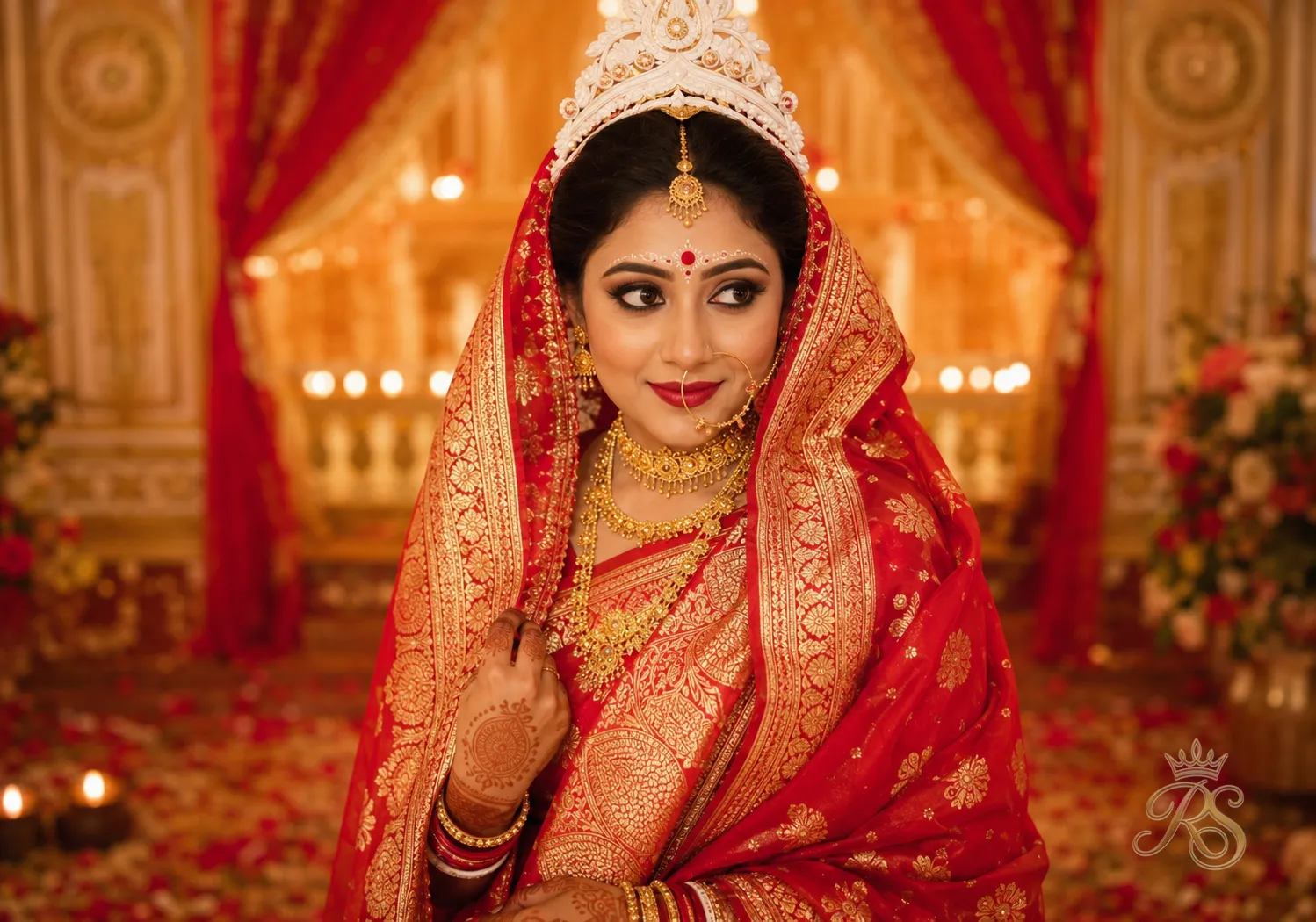
Bengali-Style Drape
Often paired with a benarasi, draped with a wide red-and-gold border framing the face.
Even if your wedding isn't rooted in one of these traditions, borrowing elements from a regional drape — like the head covering of the odhni or the wide border framing of the Bengali style — can add a distinctive touch to your look.
Belts, Brooches & Accent Pins
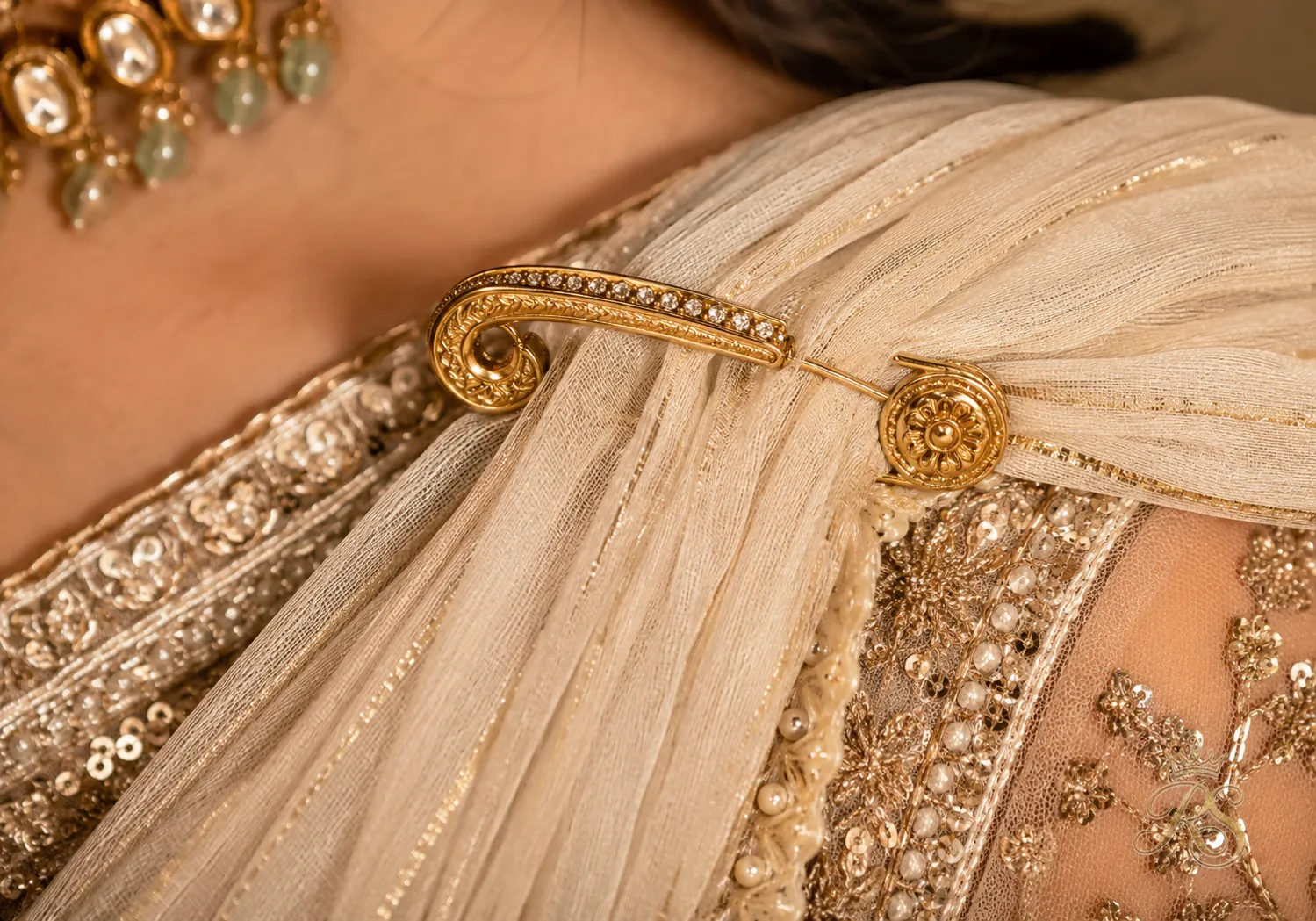
A well-chosen accent piece can transform even a simple drape into something that looks custom-styled. Statement brooches and kamarbandh-style belts are among the most popular ways to add polish.
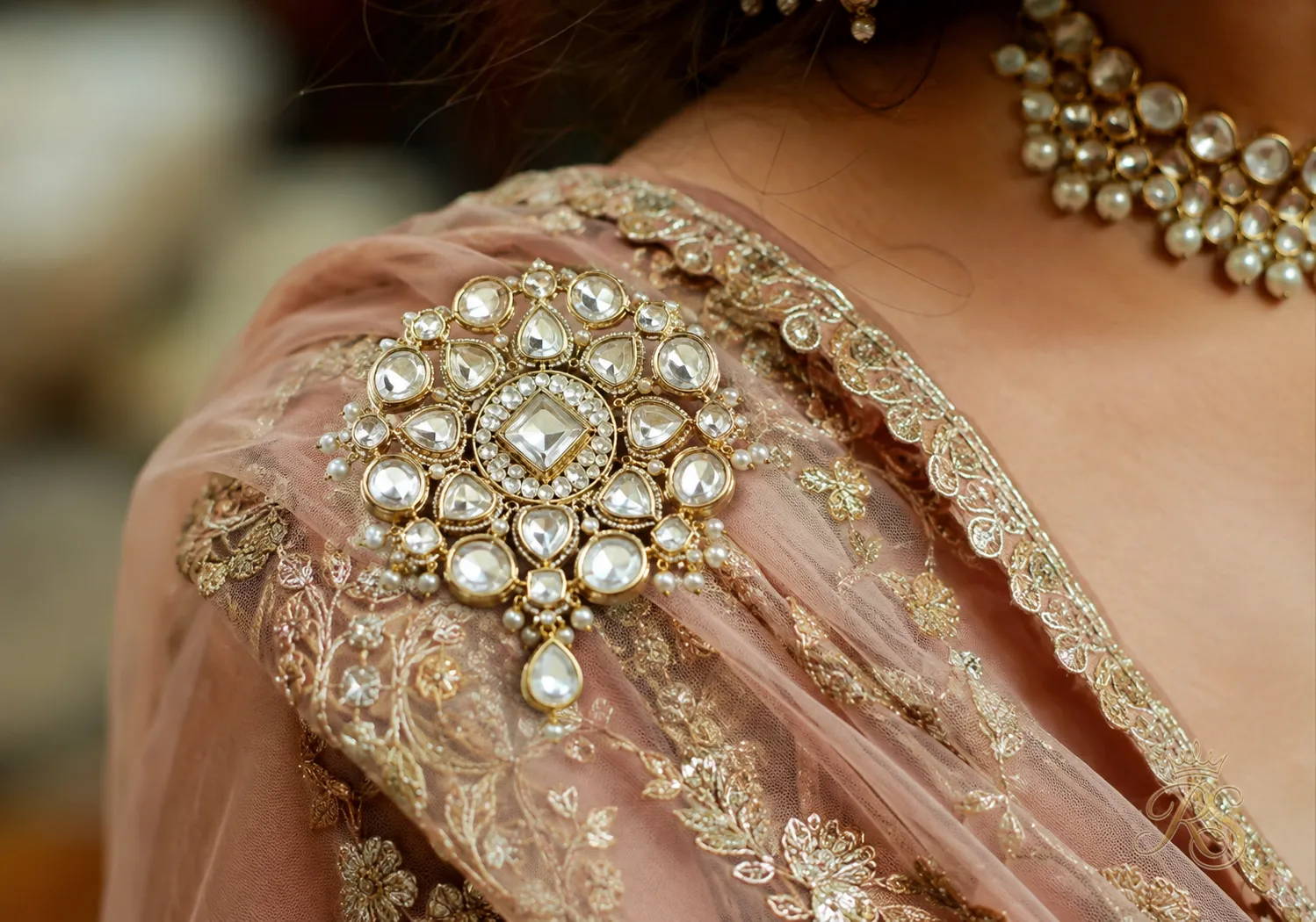
Small detail, big impact: a kundan or polki brooch adds sparkle exactly where the eye lands first.
- Choose a brooch that echoes a metal or stone already in your jewelry set
- A waist belt can cinch a double dupatta drape and prevent it from slipping
- Ask your stylist to sew a discreet loop behind any brooch for extra security
Choosing a Drape by Body Type
The right drape can quietly work in your favor — adding visual length, balancing proportions, or drawing attention exactly where you want it.
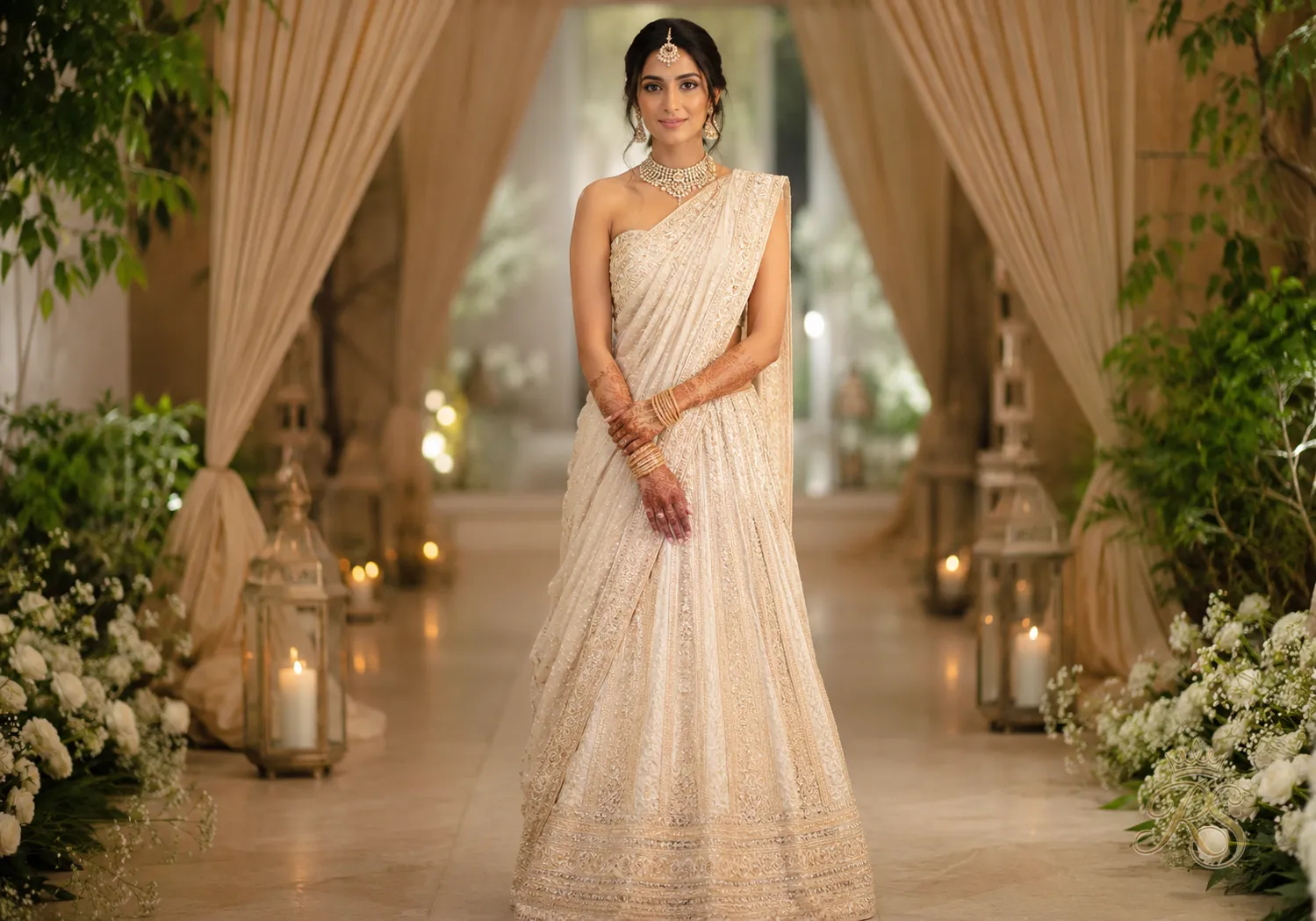
Petite frames: a single-shoulder drape with vertical pleats adds visual height.
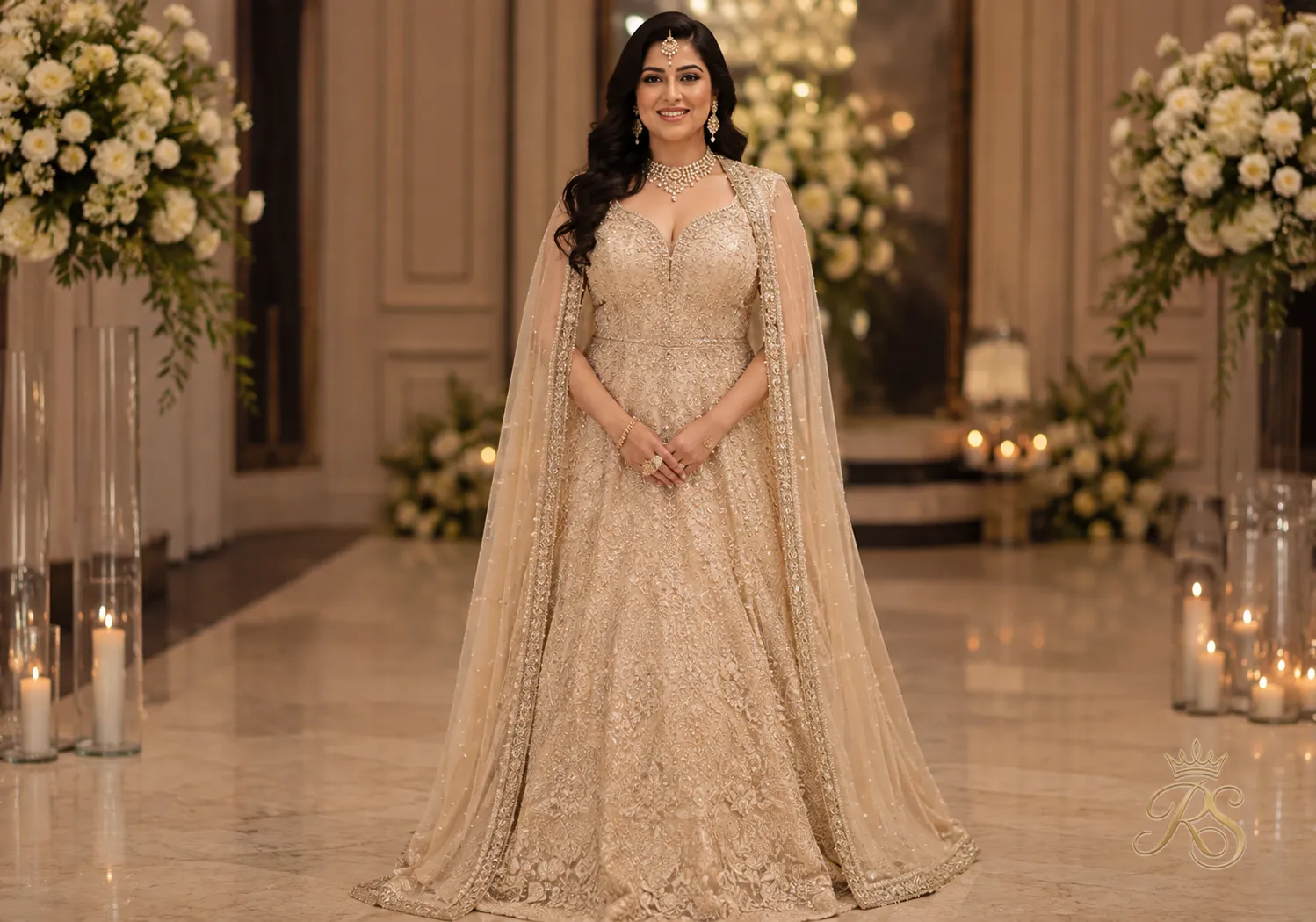
Fuller frames: a structured cape drape skims the body without adding bulk at the waist.
Taller brides can carry off the heavier double dupatta drape with ease, while brides with shorter frames often look best in styles that keep the pleats close to the body rather than wide and voluminous.
Pinning & Draping Tips That Actually Hold
Even the most beautiful drape falls flat — literally — if it doesn't survive the first round of pheras or the dance floor. A few practical habits make all the difference.
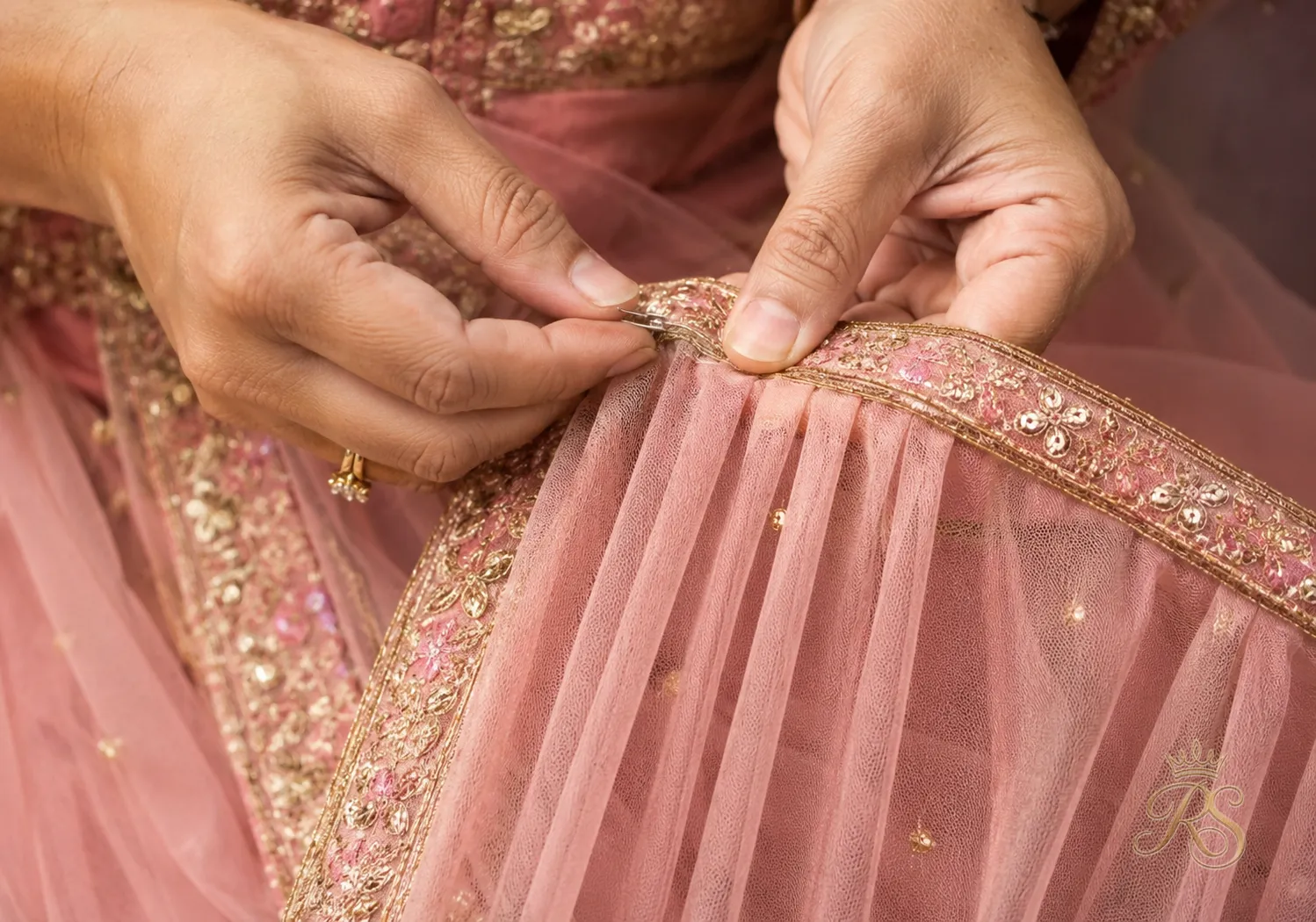
Technique matters: small, closely spaced pins hold pleats far better than one large pin.
Pack a small emergency kit with safety pins, fabric tape, and a mini sewing kit in your bridal clutch or hand it to a bridesmaid — dupattas shift the most during the first hour of movement and dancing.
Common Dupatta Draping Mistakes
Most dupatta mishaps come down to a handful of avoidable errors, usually made in the rush of getting ready on the wedding day itself.
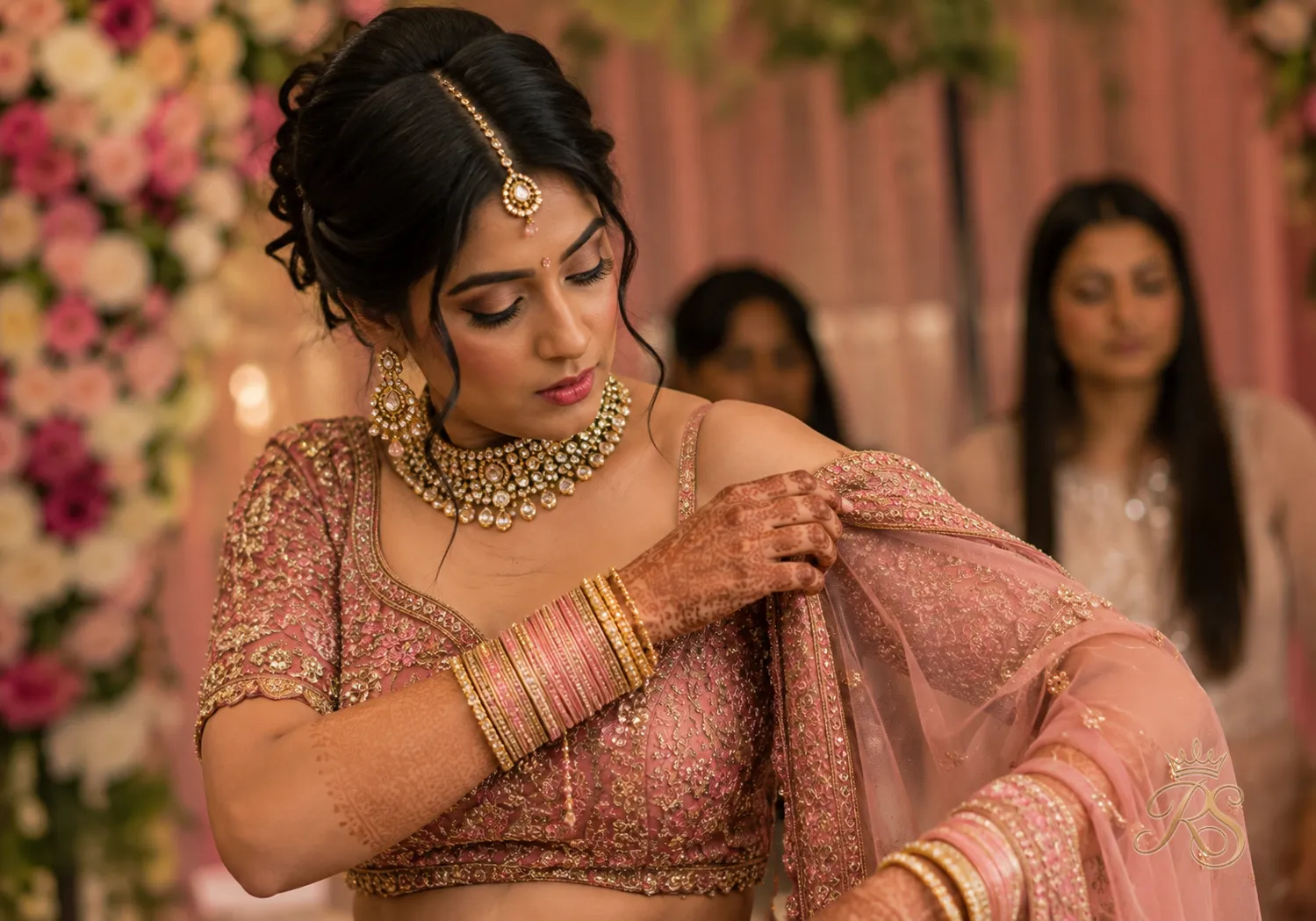
Skipping a trial run is the single most common cause of drape mishaps on the wedding day.
- Choosing a drape style without testing it in your actual blouse and lehenga first
- Using too few pins, especially on heavier net or velvet dupattas
- Not accounting for movement during rituals, photos, and the sangeet or reception dance floor
- Letting the dupatta hide embroidery or work you specifically paid for on the blouse
Final Thoughts
There's no single "correct" way to drape a bridal dupatta — the best style is the one that suits your outfit, your comfort, and the traditions that matter to your family. Try a few options at your fitting, ask your stylist for their honest opinion, and pick the drape that lets you move, dance, and celebrate without a second thought about a slipping pin.
"The dupatta isn't just fabric over the shoulder — it's the drape that finishes the story your lehenga started."