Choosing an engagement ring is one of the most personal decisions in the entire wedding journey — a single piece that has to carry sentiment, craftsmanship, and everyday wearability all at once. Between metals, the 4Cs, dozens of diamond shapes, and India's own rich tradition of regional bridal ring designs, it's easy to feel overwhelmed at the counter. This guide breaks the decision down visually, step by step, so you can walk into a jeweler knowing exactly what you're looking at — and why it matters.
Why the Right Ring Choice Matters
An engagement ring is worn every single day, for years, through work, travel, and everything in between — which makes it a very different purchase from a piece of occasion jewelry. Getting it right means balancing beauty, durability, and personal meaning, not just chasing what looks best on a display tray.
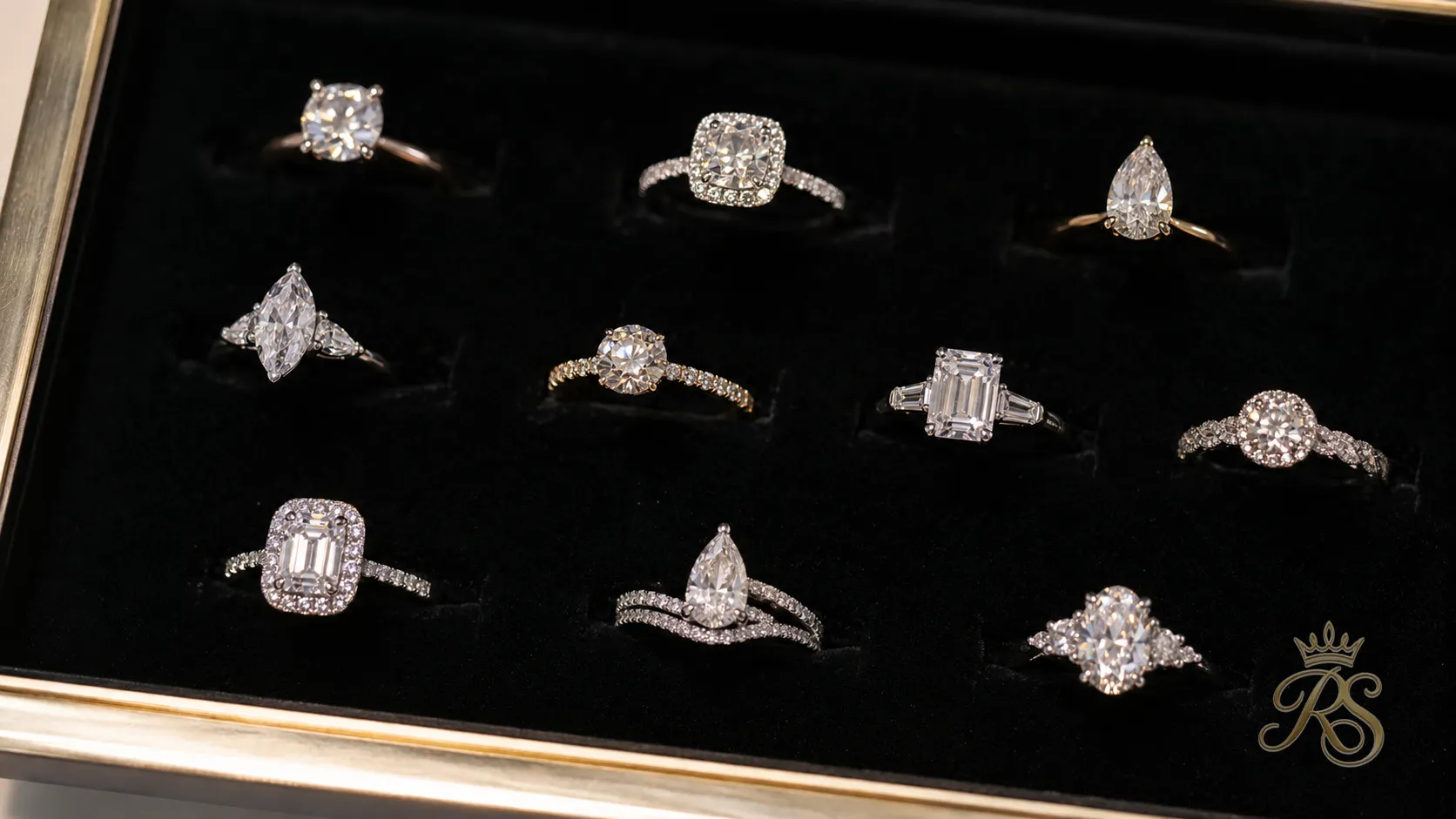
Where to begin: narrowing dozens of options down to the three or four that actually fit her life.
The secret isn't finding the "most impressive" ring — it's finding the one that matches her hand, her lifestyle, and her taste, backed by a metal and setting that will hold up to decades of daily wear.
Before you shop, secretly note the size and style of jewelry she already wears often. A bride who lives in delicate, minimal pieces rarely falls for a large, ornate ring — and vice versa.
Understanding Metal Types First
The metal band is the foundation everything else sits on — it affects durability, maintenance, skin sensitivity, and how the stone's color reads against it. Choosing the metal before the stone shape narrows every decision that follows.
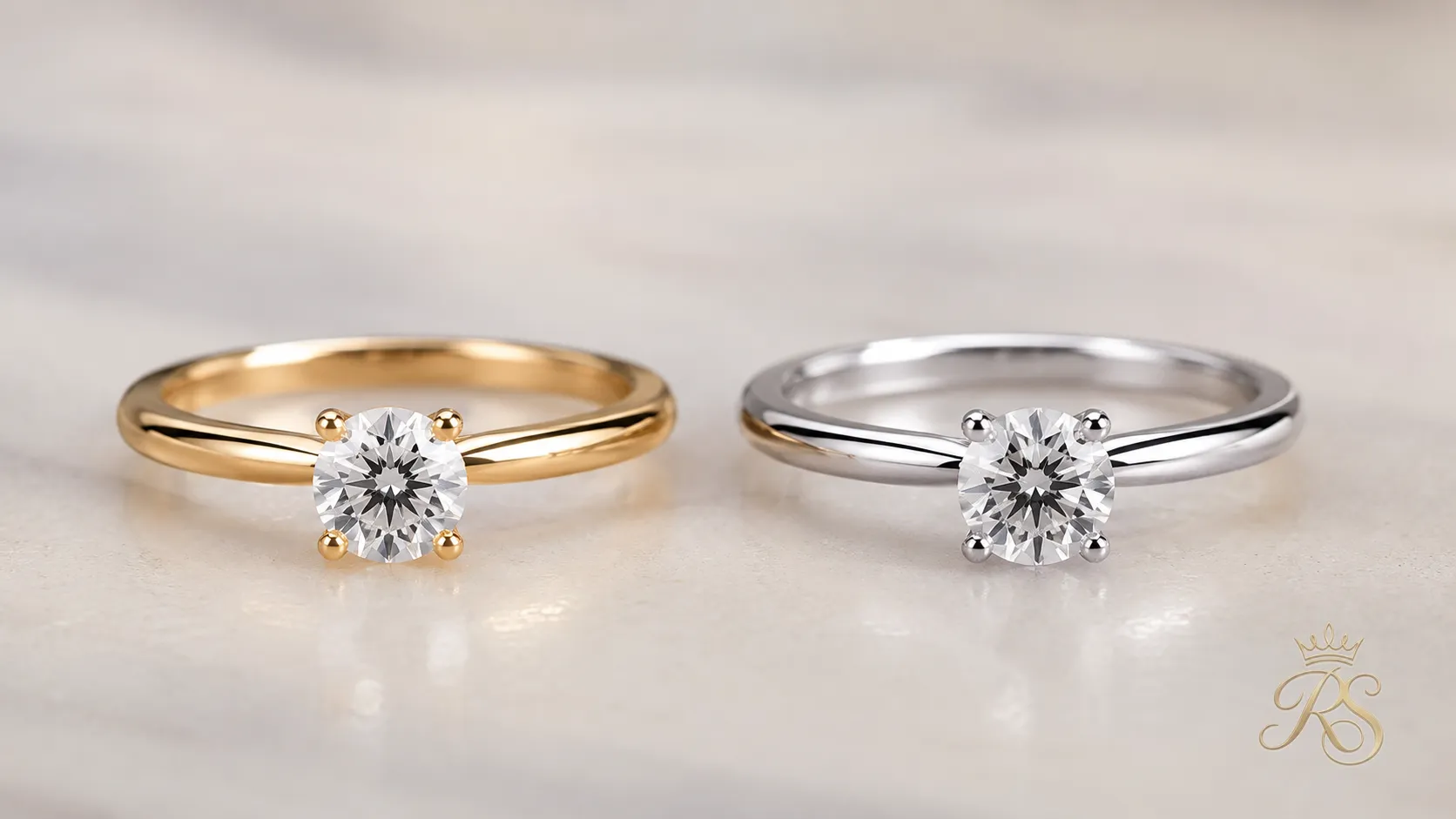
Platinum resists tarnish; yellow and rose gold need periodic re-dipping or polishing.
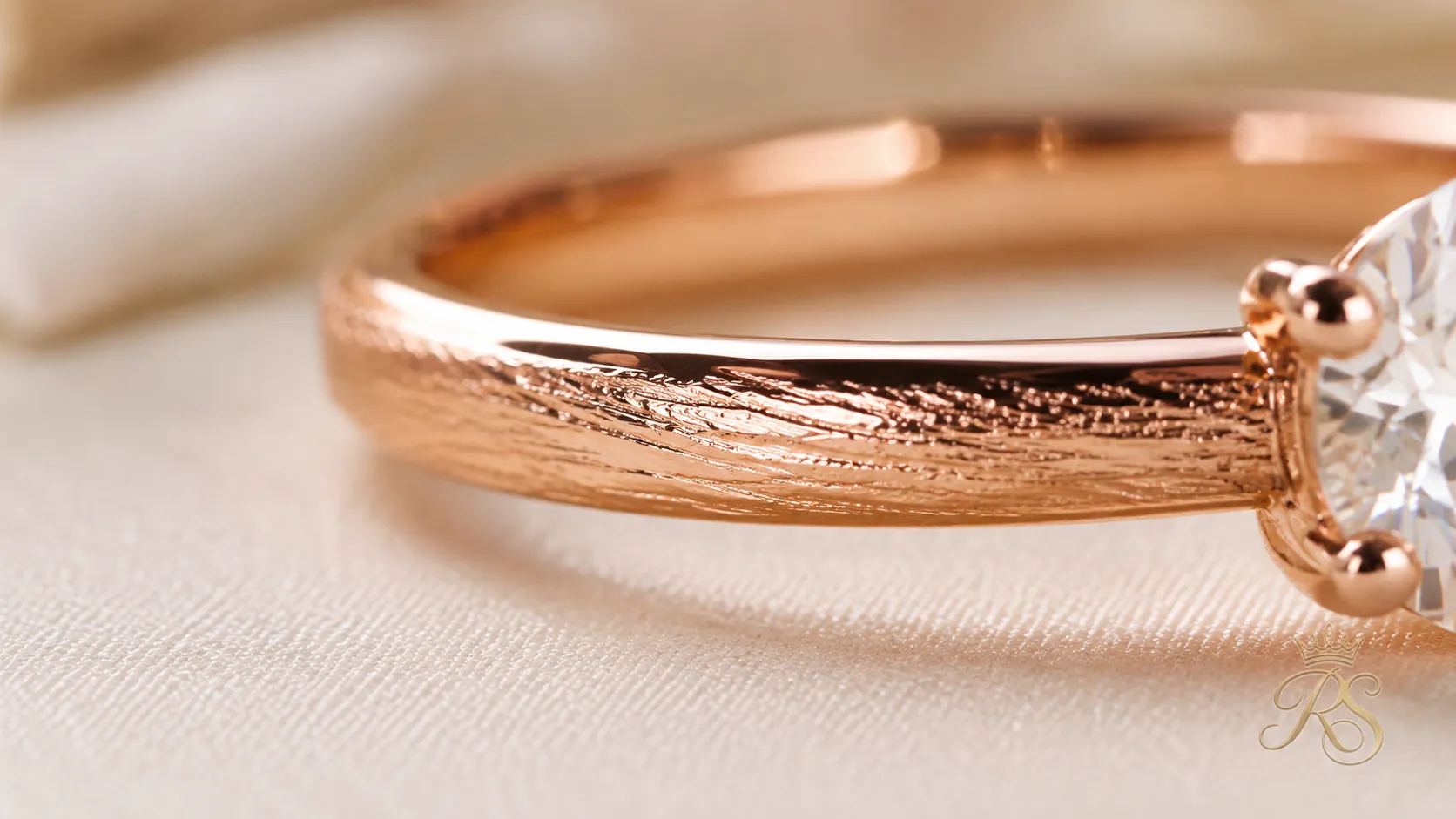
Rose gold's warm tone flatters most Indian skin tones and hides everyday scratches well.
White gold and platinum both give a cool, contemporary look, but only platinum keeps its white color permanently — white gold needs rhodium re-plating every year or two to stay bright.
The 4Cs Explained: Cut, Clarity, Carat, Color
Every diamond is graded on four factors, and understanding them is the single most useful thing a bride-to-be — or the person shopping for her — can do before stepping into a store.
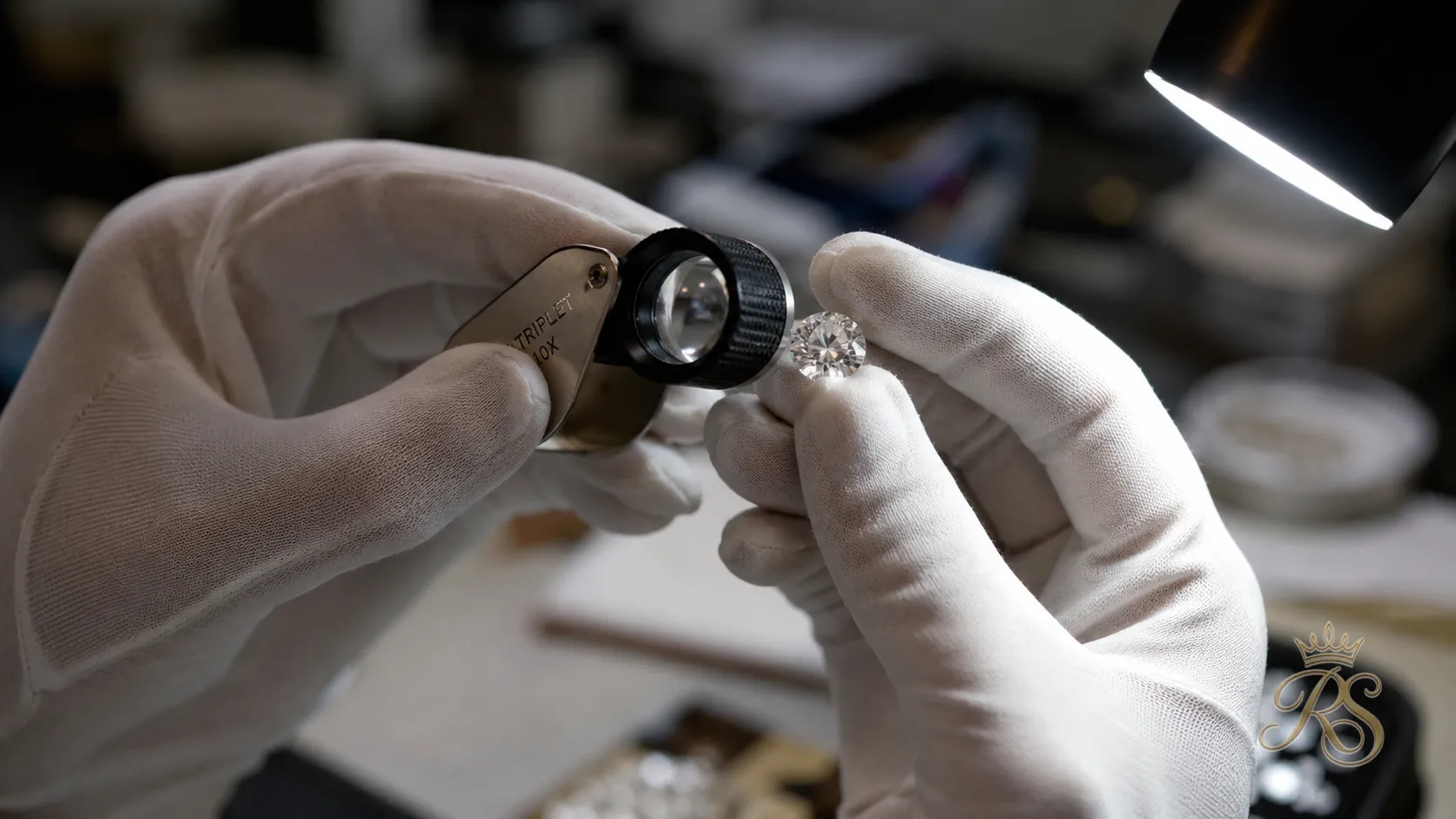
Cut first: a well-cut diamond outshines a larger, poorly-cut one every time.
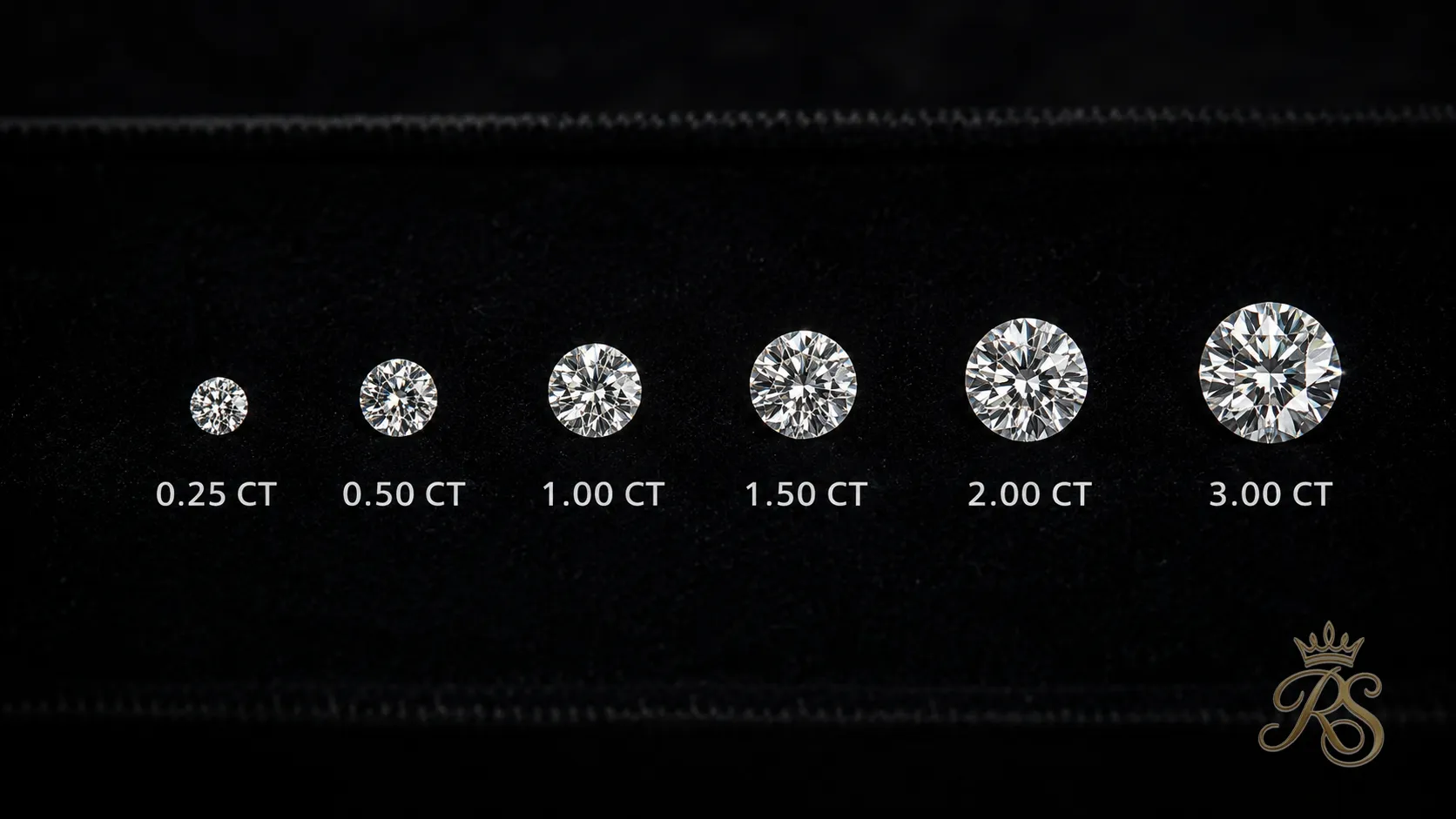
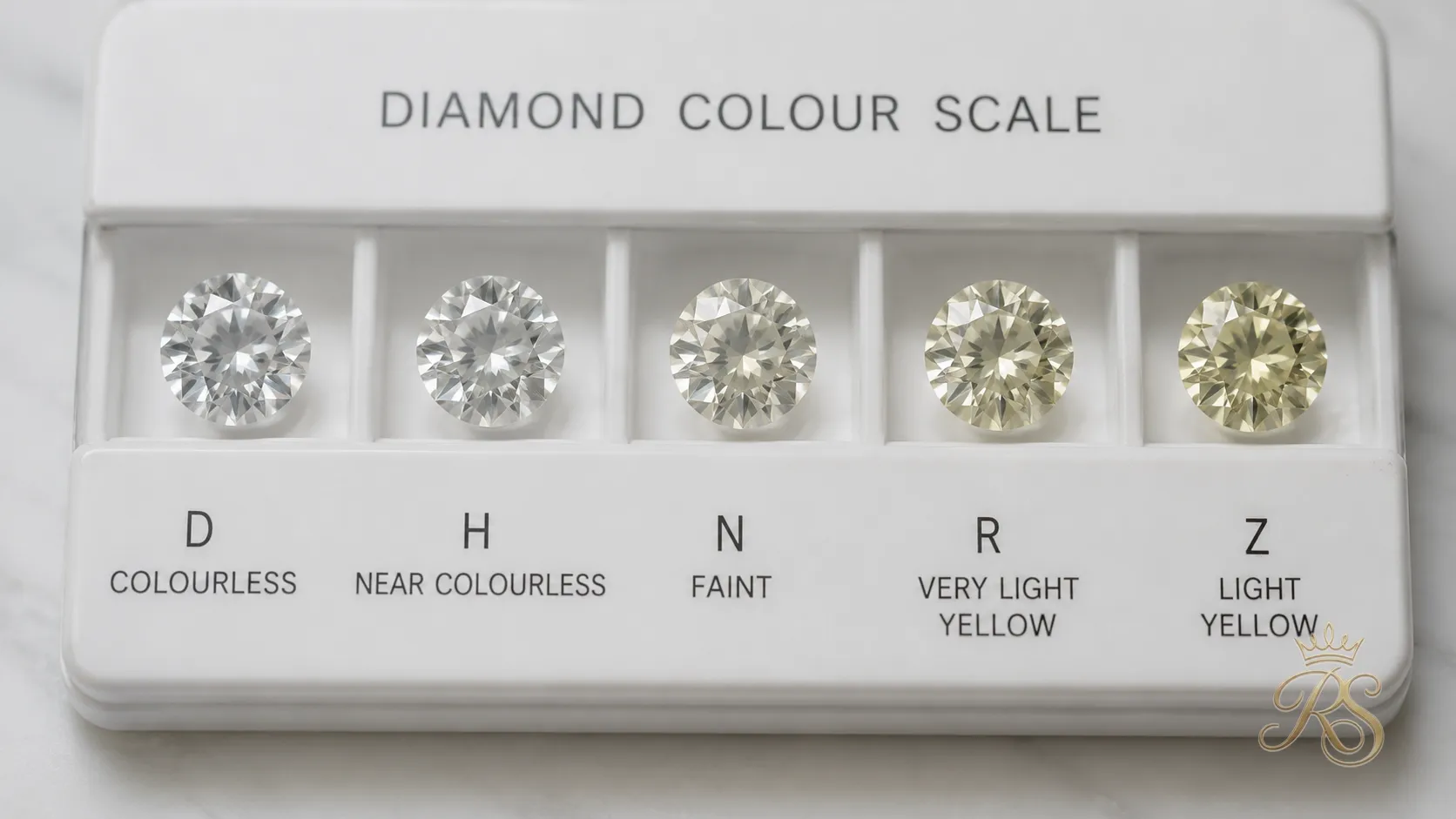
- Cut determines sparkle — prioritize this over size if you must choose
- Clarity above VS2 is where inclusions become invisible to the naked eye
- Carat is weight, not brilliance — two 1-carat diamonds can look very different
- Color in the near-colorless range (G–J) offers the best value-to-appearance ratio
Diamond Shapes & Cuts, Compared
The shape of the center stone changes the entire personality of a ring — from the classic sparkle of a round brilliant to the elongated elegance of an oval. There's no wrong choice, only the one that suits her hand and her taste.
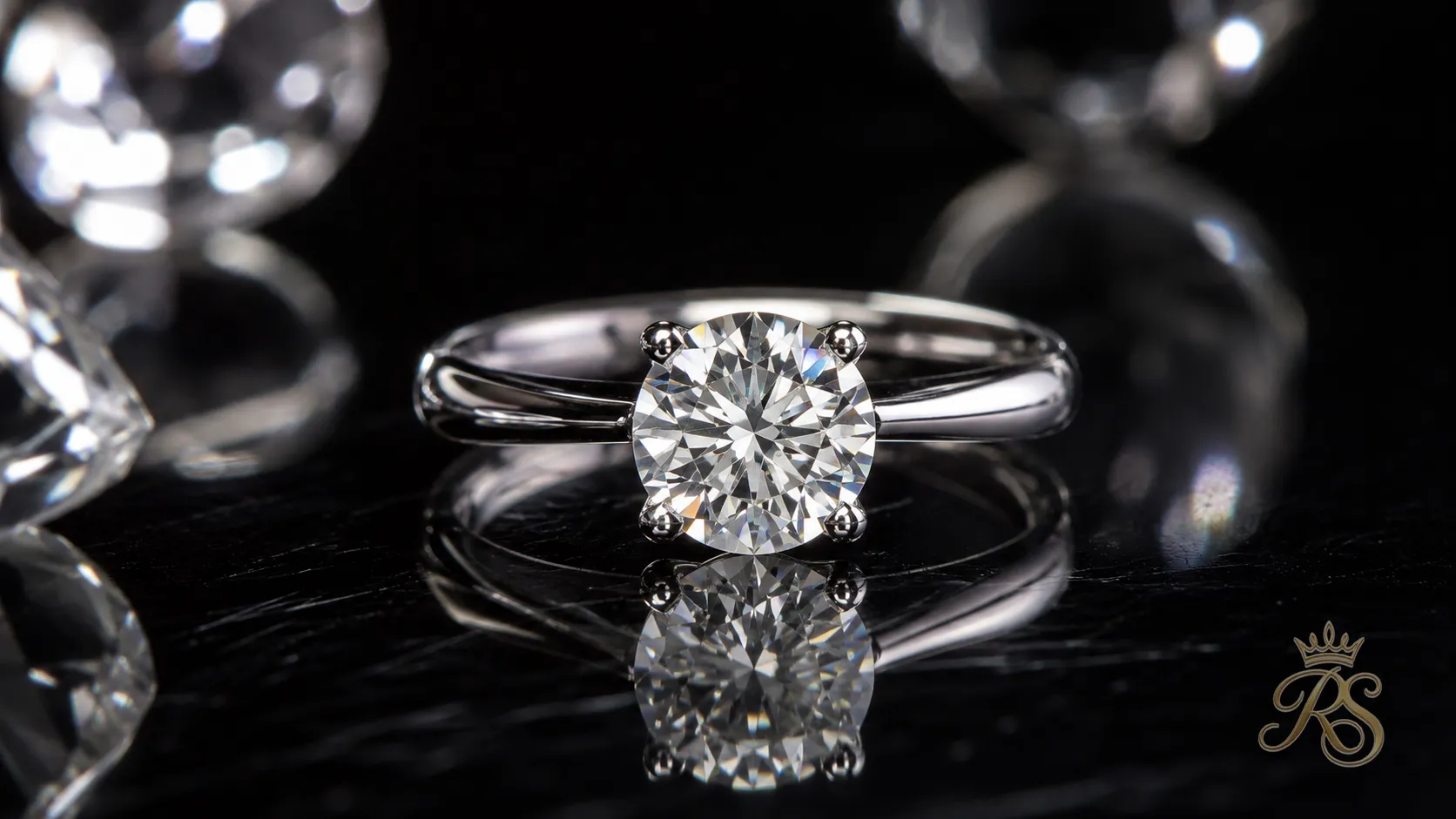
Round Brilliant
The classic 58-facet cut engineered for maximum fire and sparkle — timeless and always in style.
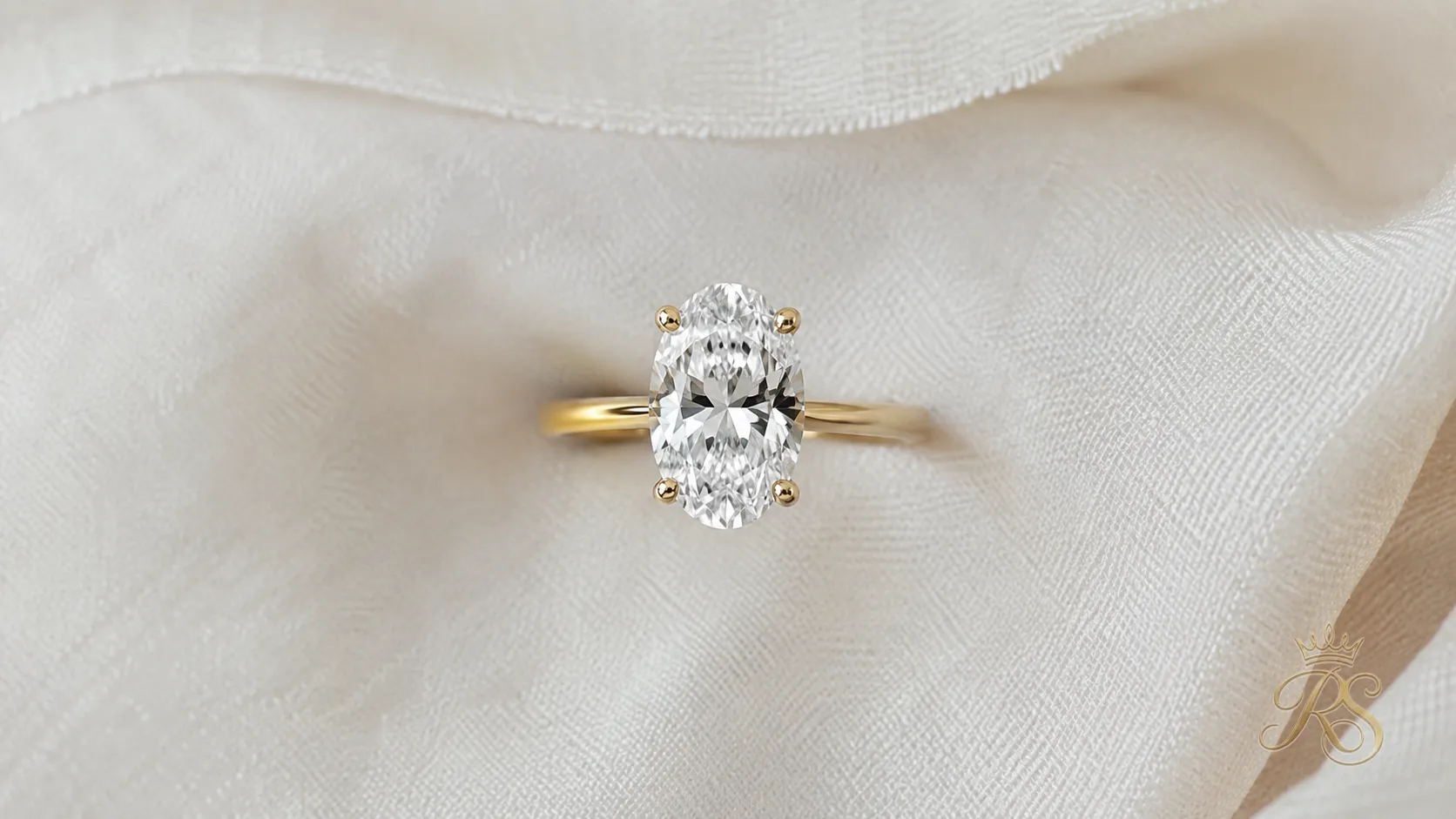
Oval Cut
Its elongated shape visually lengthens the finger and often appears larger than its actual carat weight.
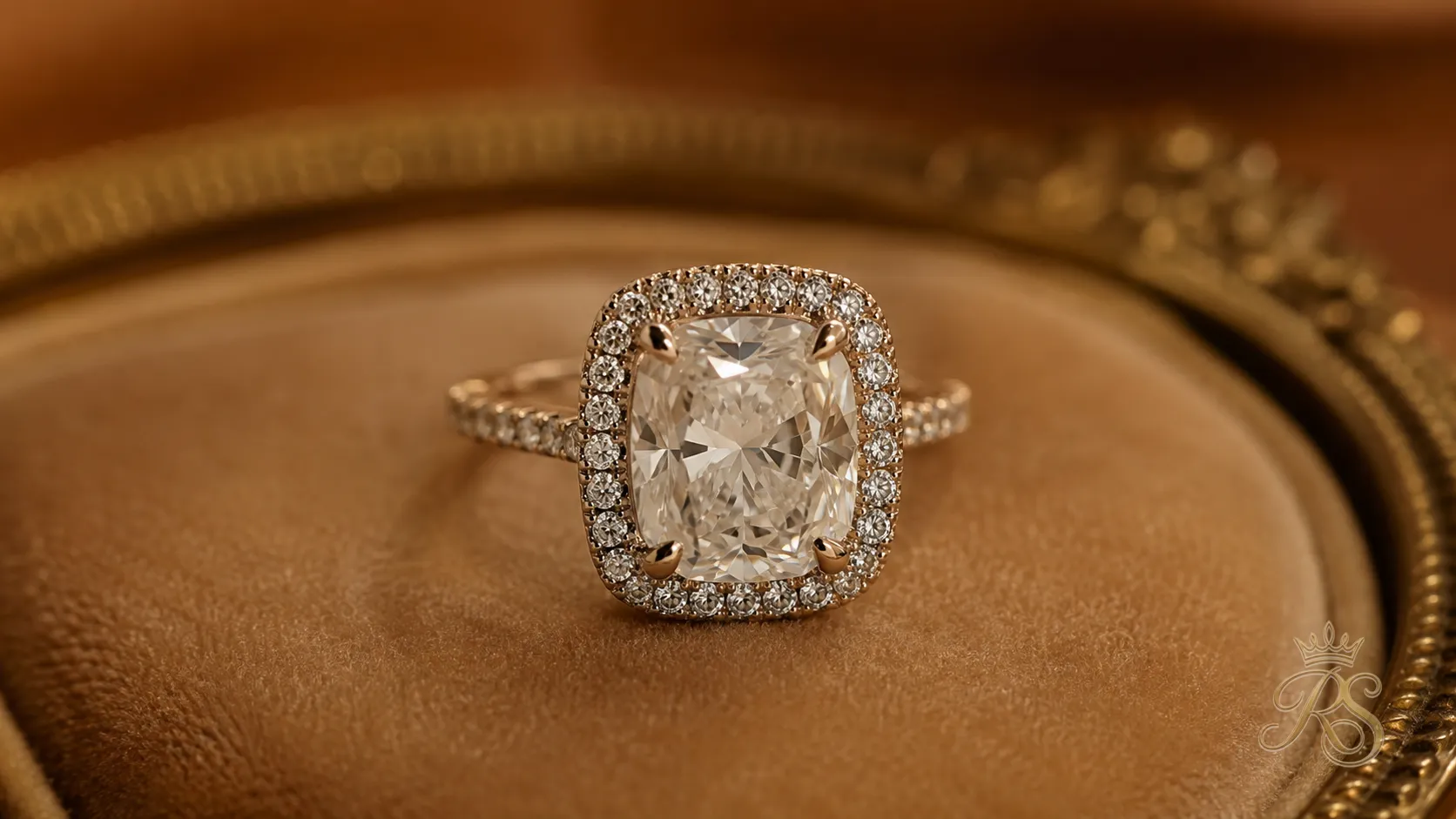
Cushion Cut
Rounded corners and larger facets give a romantic, slightly vintage glow, especially in a halo setting.
"The right diamond shape isn't the trendiest one — it's the one that disappears onto her hand as if it was always meant to be there."
Alternative Gemstones for Brides
Not every bride wants a diamond centerpiece. Colored gemstones bring personality, symbolism, and often better value at larger carat sizes — with sapphire and emerald leading the trend among modern Indian brides.
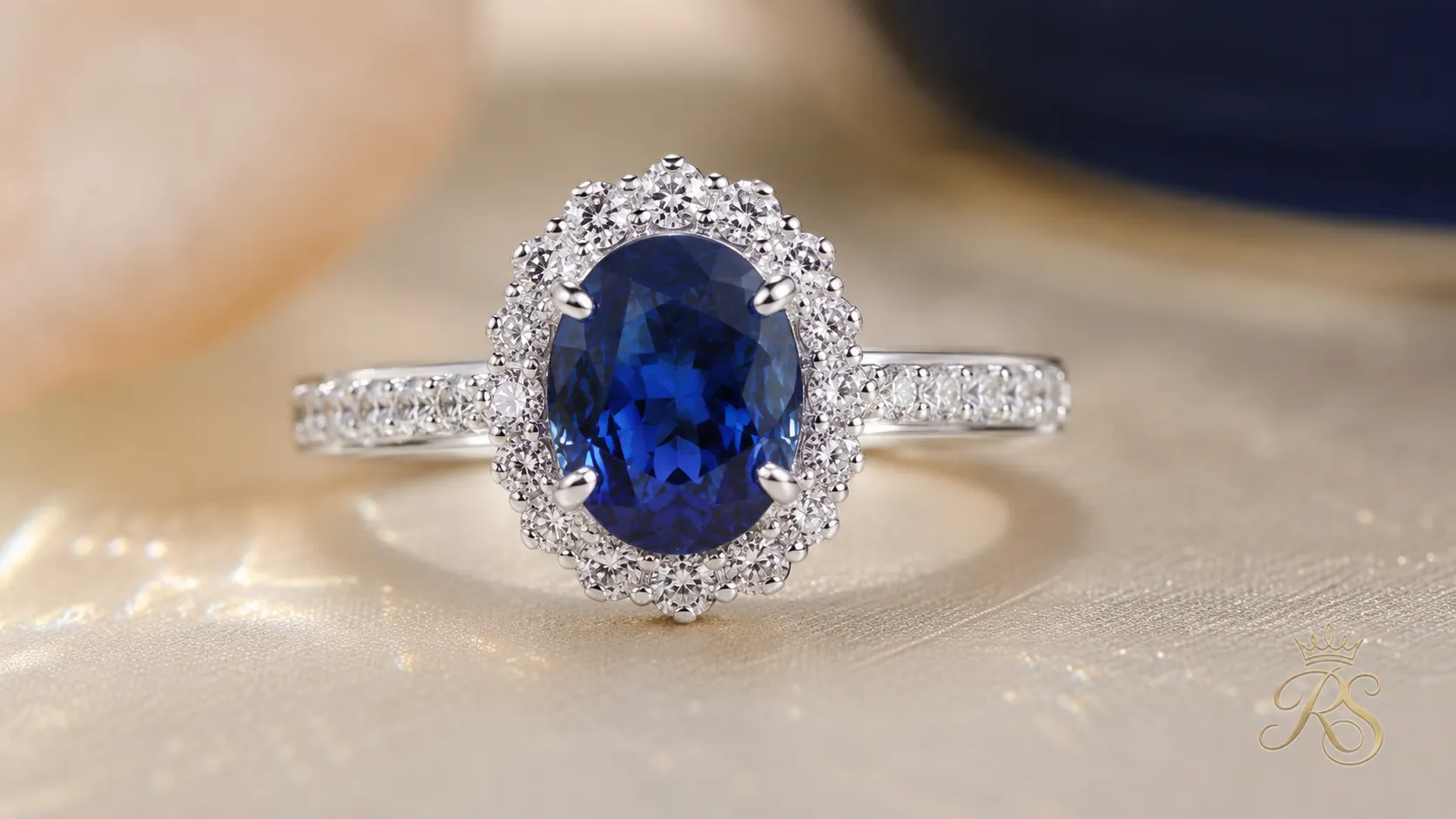
Sapphires rank second only to diamonds in hardness, making them an everyday-safe choice.
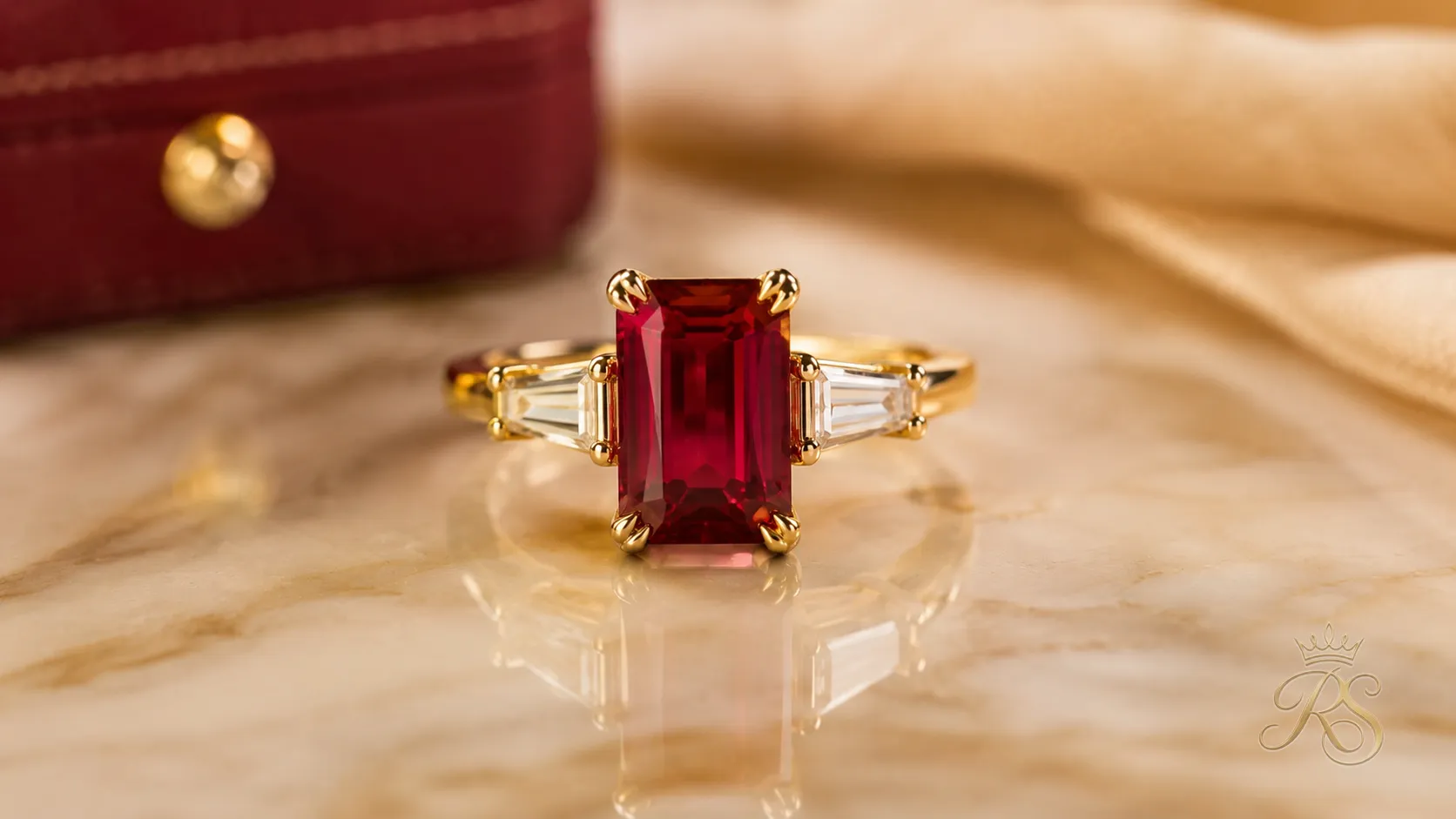
Ruby and emerald carry deep cultural significance in Indian bridal jewelry traditions.
If choosing a colored stone, ask specifically about treatment disclosures — heat treatment is standard and acceptable, but always ask what enhancement, if any, the stone has undergone.
Ring Settings Explained
The setting is what actually holds the stone in place — and it affects both how much light reaches the diamond and how secure it is for daily wear.
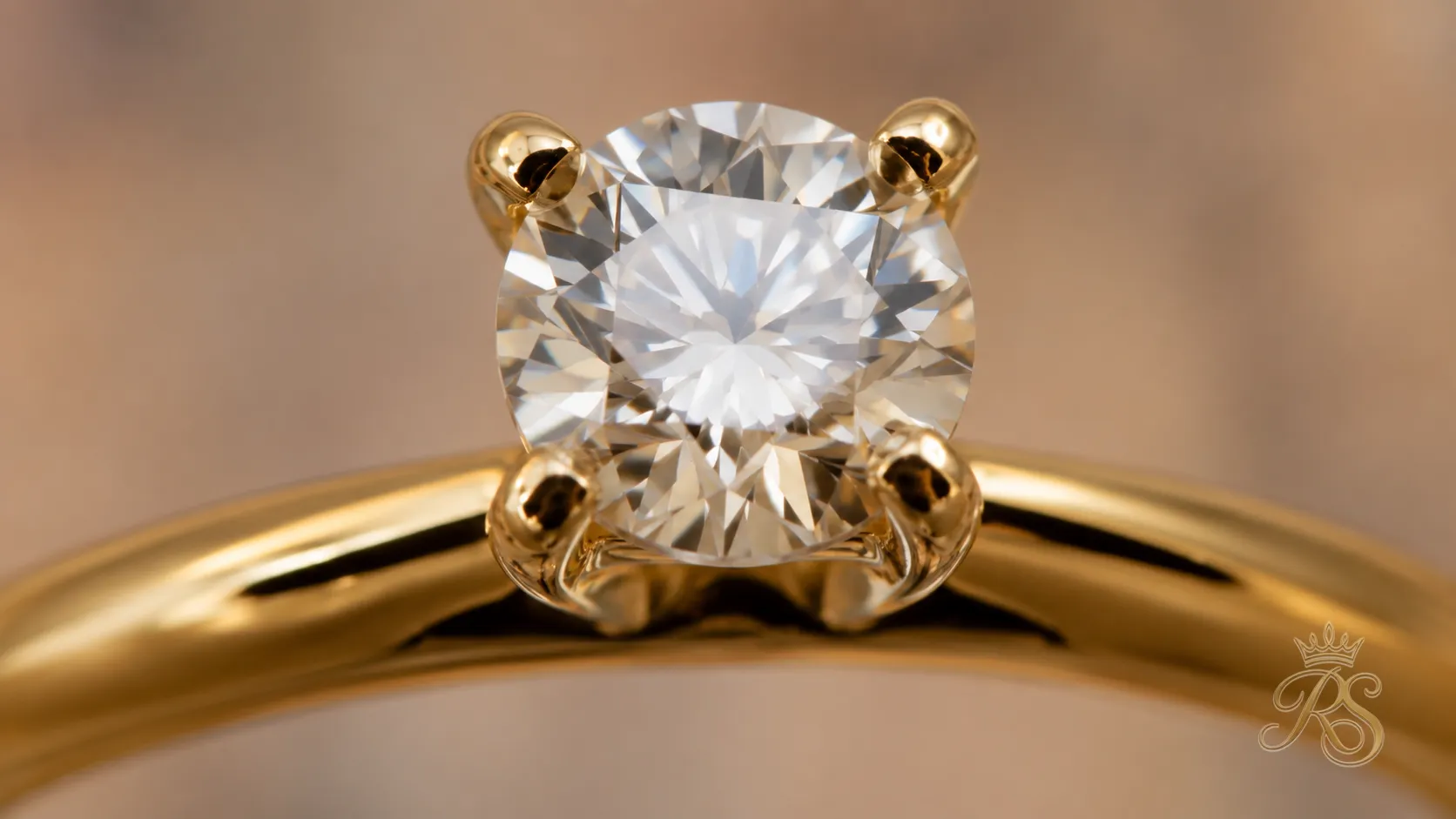
Prong settings lift the stone up, letting maximum light in from every angle.
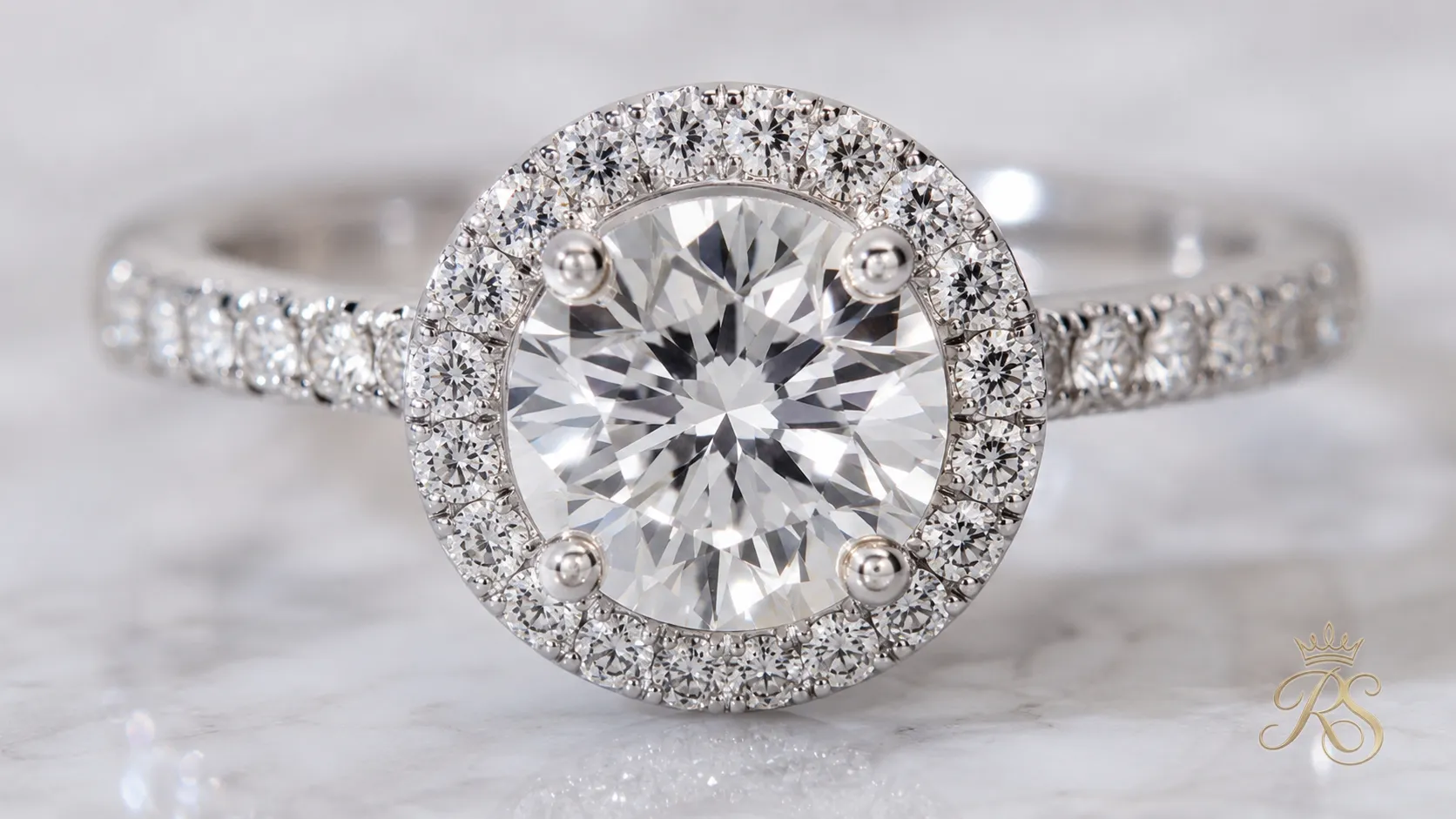
A halo setting makes the center stone appear noticeably larger for the same carat weight.
Band Styles: Solitaire to Vintage
The band is where subtlety lives — a plain solitaire band reads modern and minimal, while pave and milgrain detailing add texture and old-world charm.
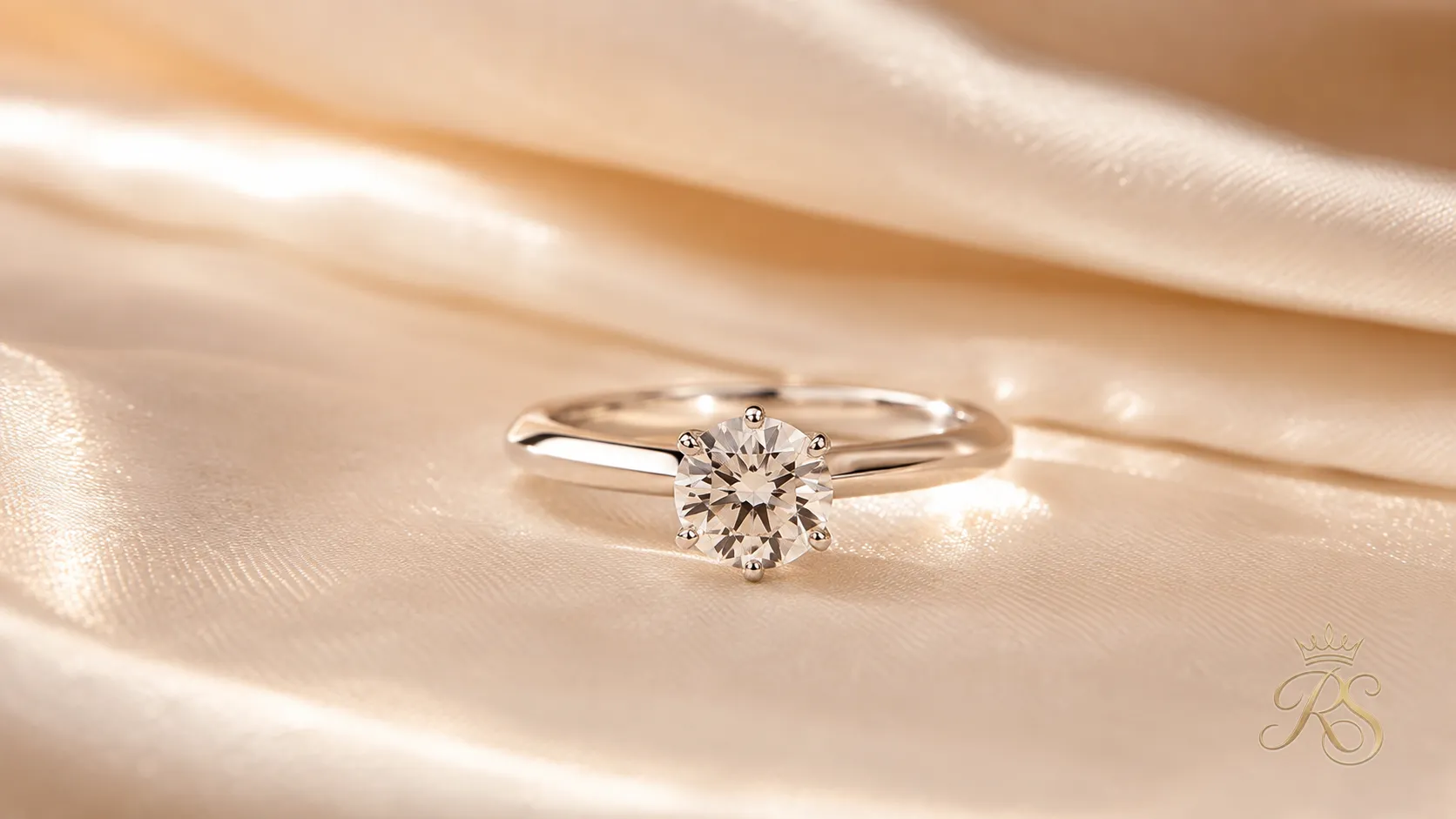
Solitaire: the single-stone silhouette that never goes out of style.
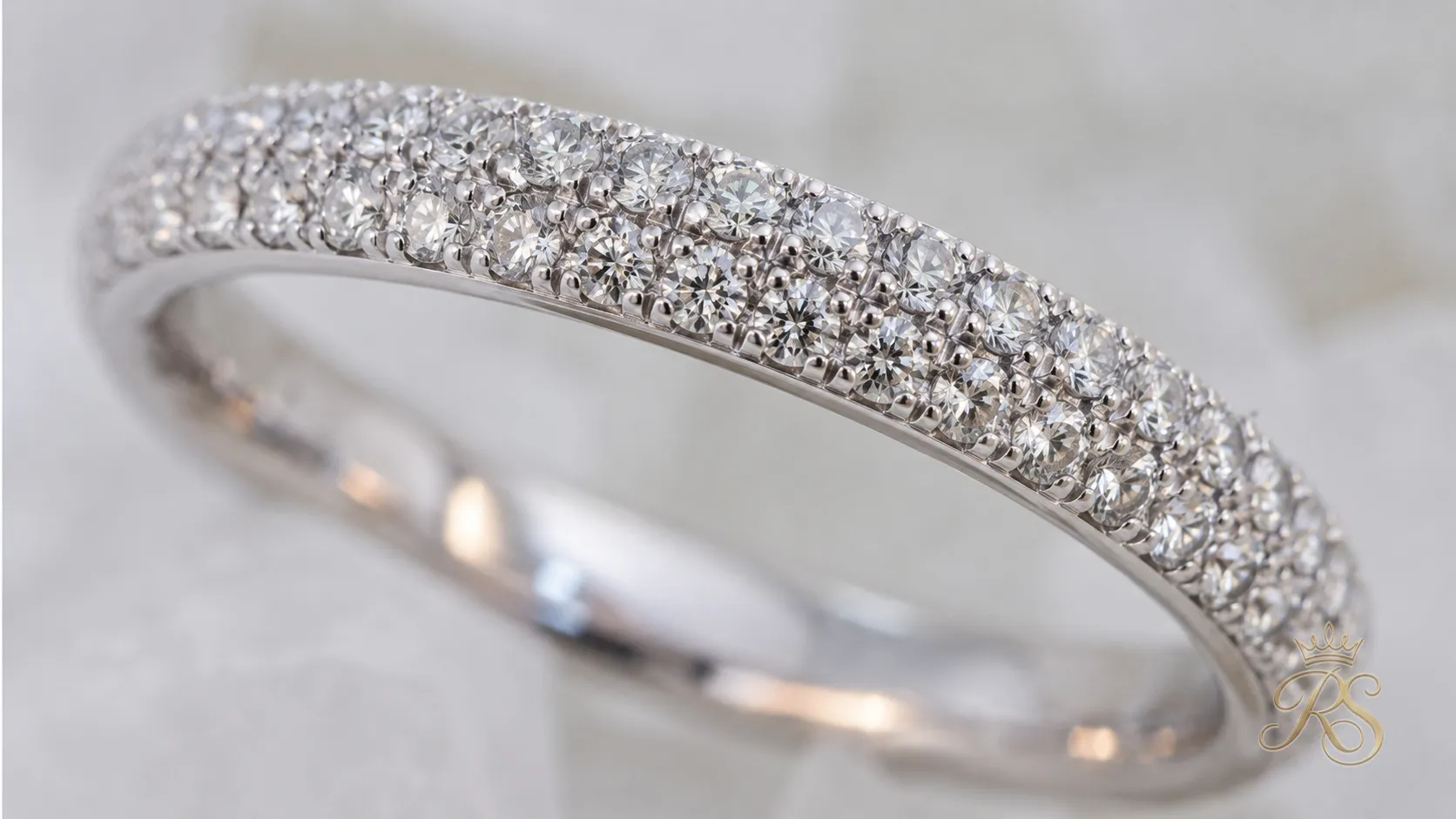
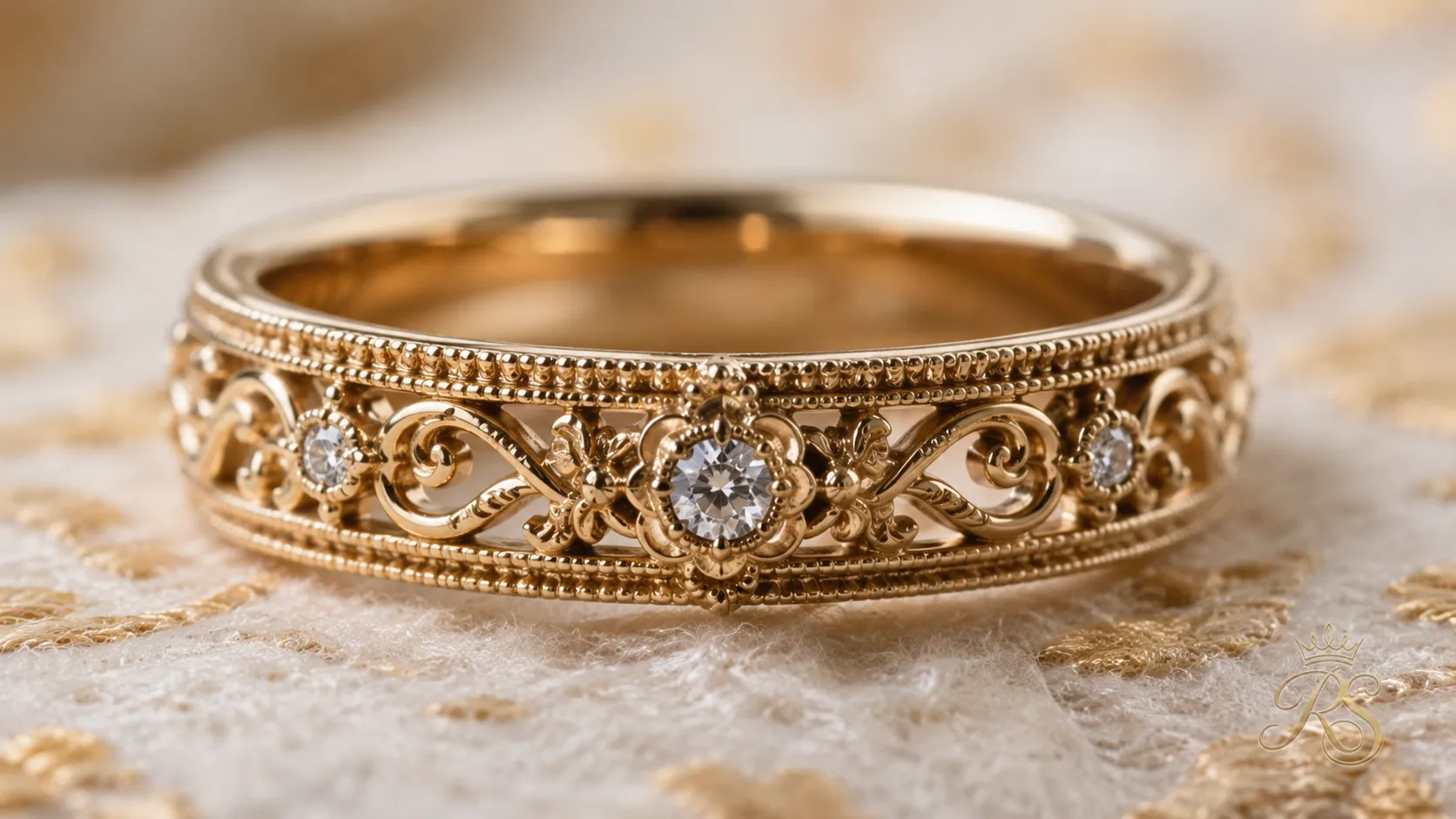
- Pave bands add sparkle but require more frequent professional cleaning to keep prongs secure
- Milgrain detailing hides everyday micro-scratches better than a plain polished band
- A slightly domed band profile is more comfortable for brides who wear rings all day
Choosing by Lifestyle & Hand
The most beautiful ring in the world is the wrong choice if it constantly catches on clothing or feels heavy after an hour. Match the setting height and stone size to how she actually spends her days.

Low-set stones and bezel settings suit brides who work with their hands often.
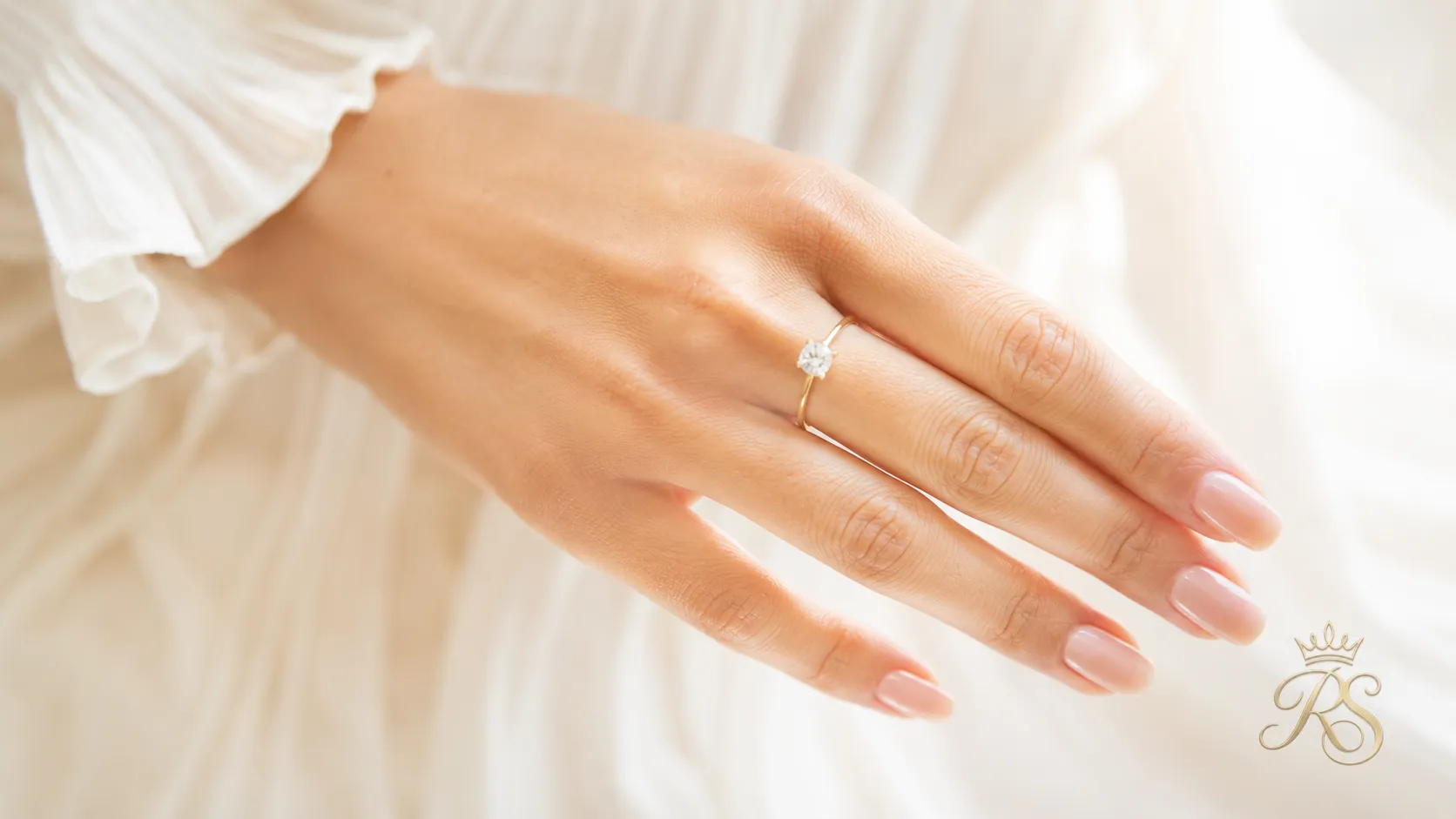
Petite hands often suit elongated shapes like oval, marquise, or pear over round.
Regional Bridal Ring Traditions
India's regional jewelry traditions bring their own distinct take on the bridal ring, often layering craftsmanship techniques passed down for generations alongside — or instead of — a classic diamond solitaire.
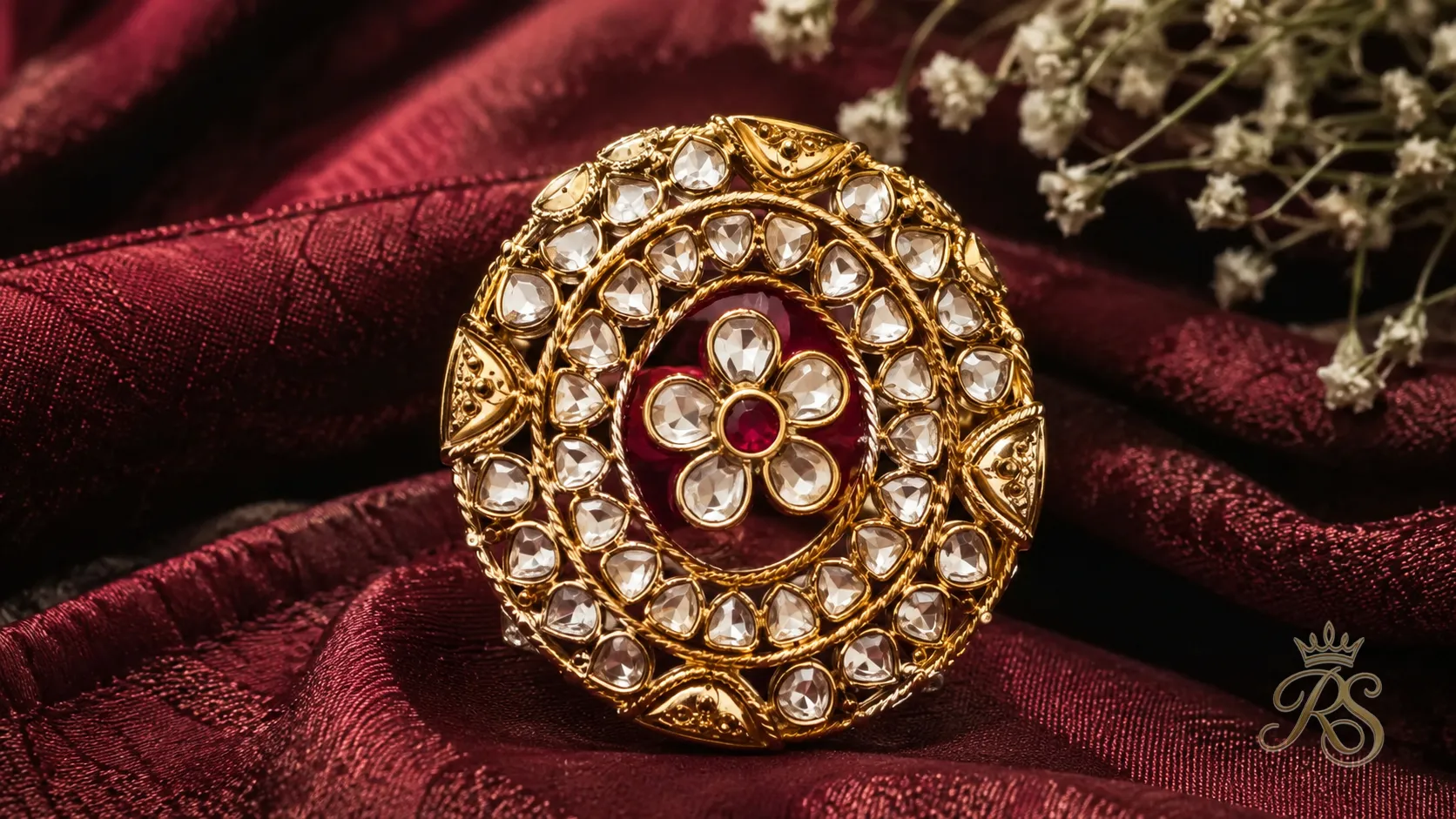
Polki & Kundan
Uncut, foil-backed diamonds set in gold — a centuries-old technique prized for its warm, antique glow.
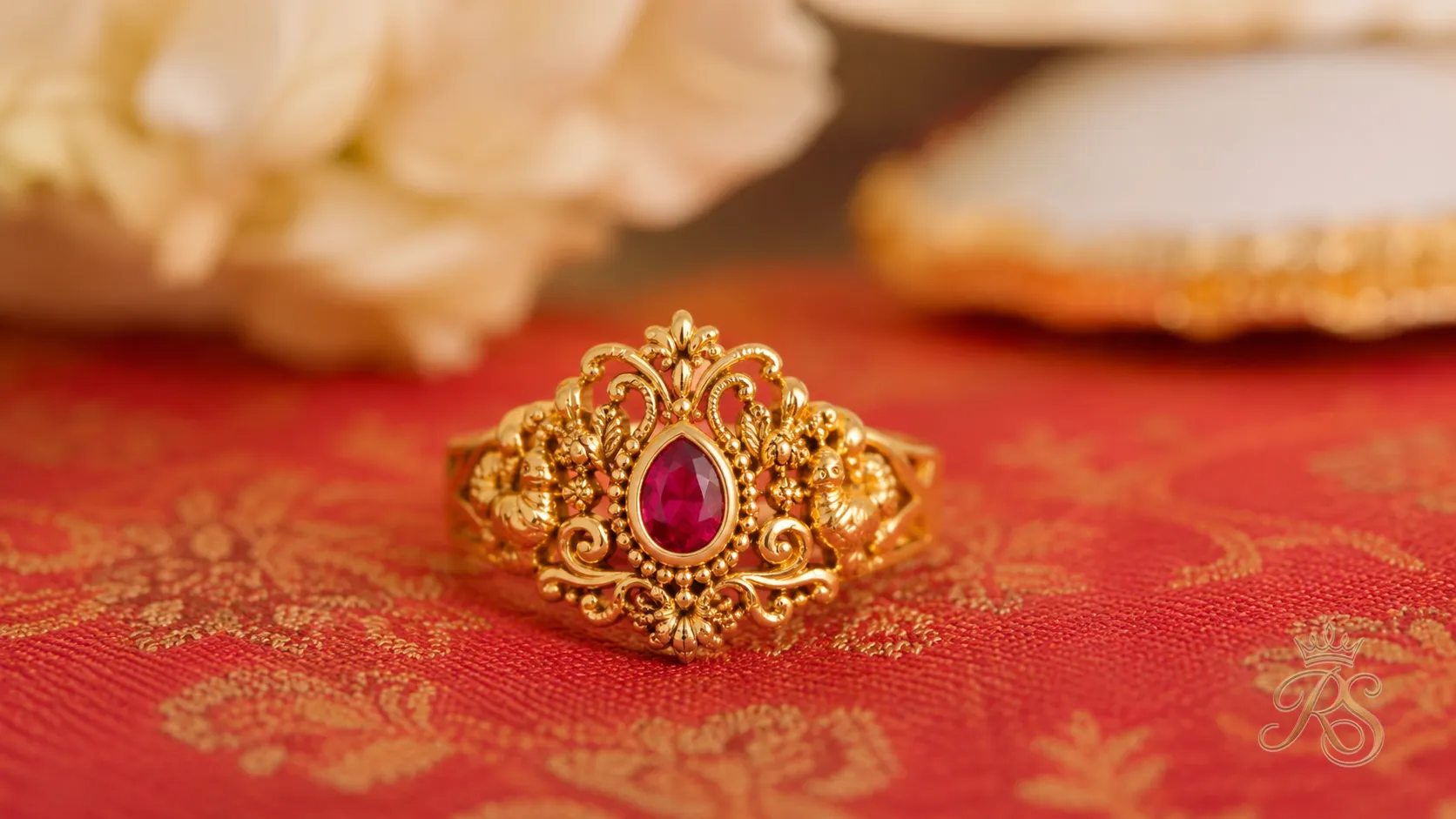
Temple-Style Gold
High-karat gold worked into temple motifs, often paired with rubies or emeralds as the centerpiece.
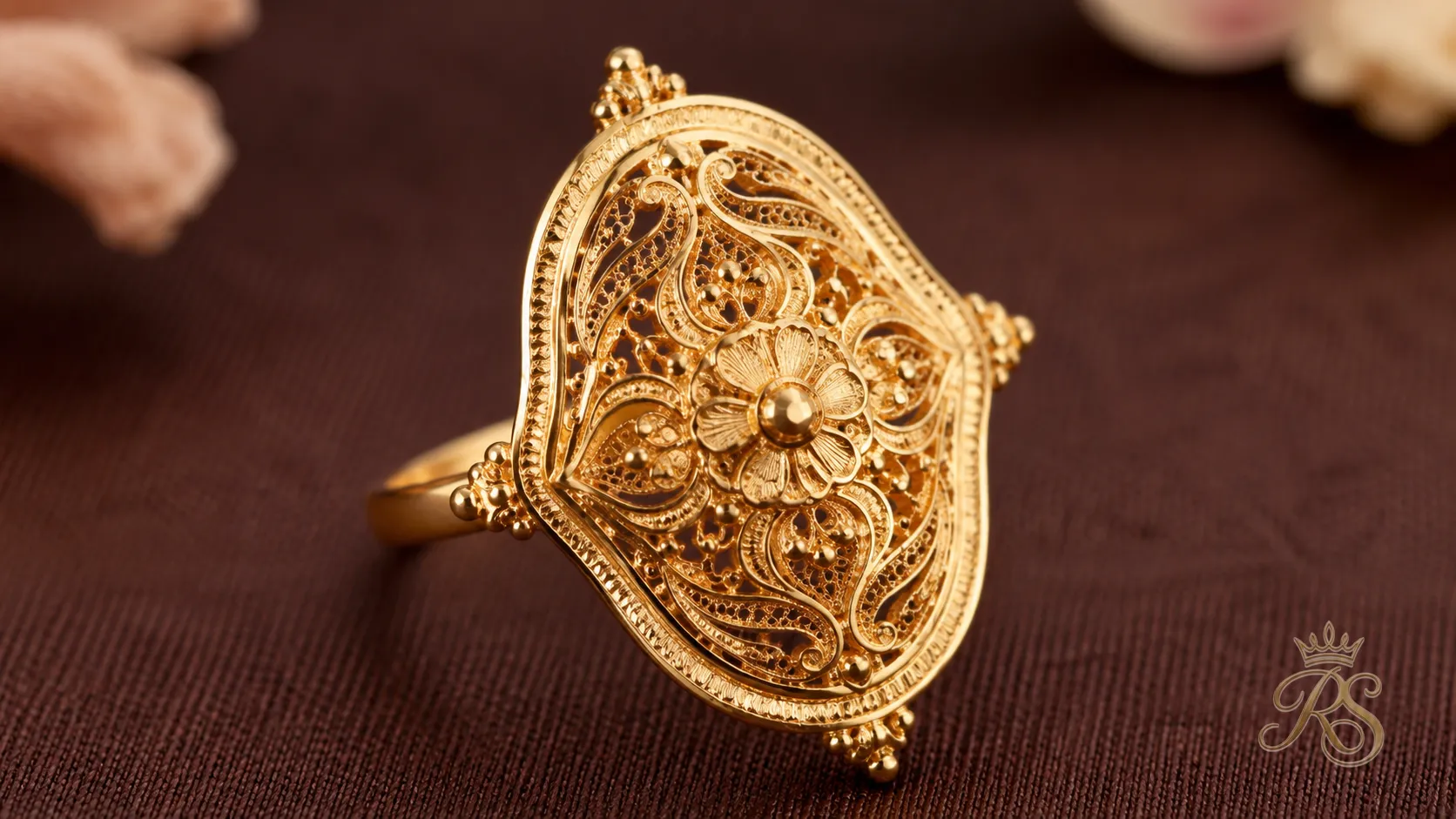
Gold Filigree
Fine, lace-like gold engraving that favors intricate handwork over stone size or sparkle.
Getting the Sizing Right
An ill-fitting ring is the most common — and most avoidable — engagement ring mistake. Size properly before you buy, accounting for the fact that fingers naturally swell slightly in heat and shrink in cold.
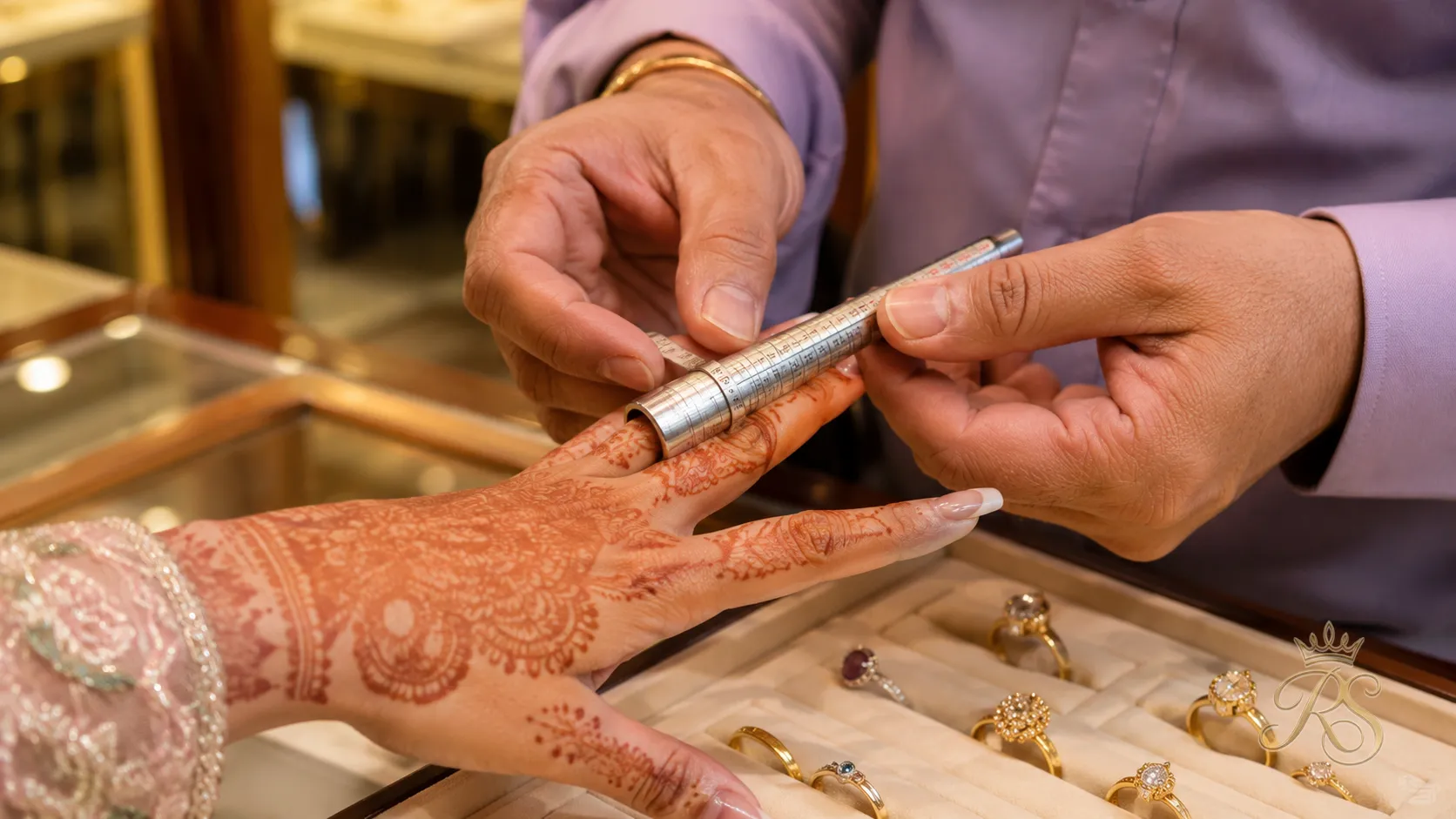
Size in the evening, when fingers are at their largest for the most accurate fit.
| India Size | US Size | Diameter (mm) | Fit Notes |
|---|---|---|---|
| 8 | 4.5 | 15.3 | Common for petite hands |
| 10 | 5.5 | 16.1 | Most frequently ordered size |
| 12 | 6.5 | 16.9 | Standard average adult size |
| 14 | 7.5 | 17.7 | Confirm with an in-store trial before ordering |
Budgeting for Your Ring
A realistic budget, allocated thoughtfully across the stone, setting, and metal, delivers a far better-looking ring than stretching every rupee toward carat size alone.
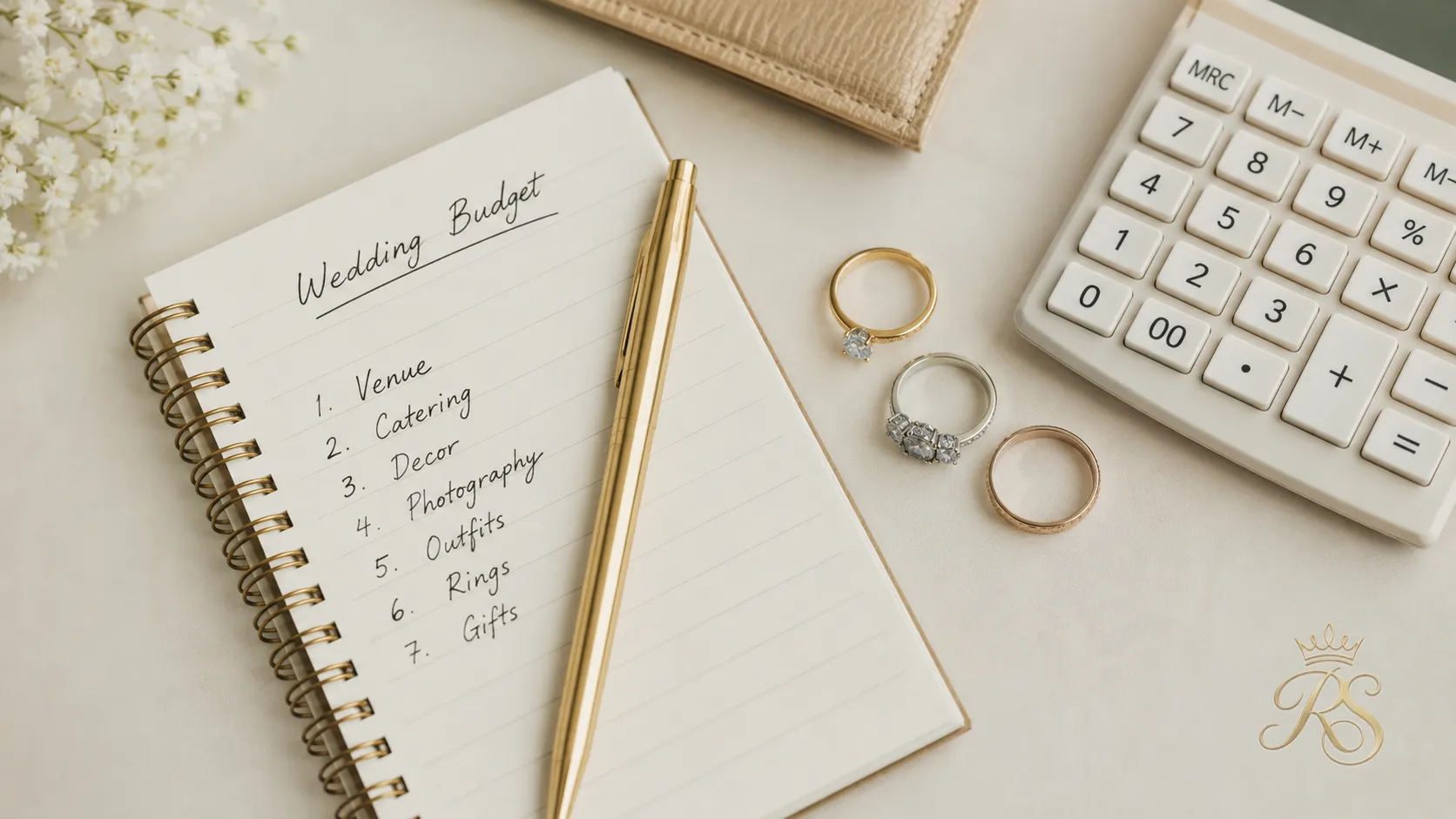
Plan the split: stone, setting, and certification all deserve their own line in the budget.
| Category | Suggested Share | Why It Matters |
|---|---|---|
| Center stone | 60–70% | The single biggest driver of both price and visual impact |
| Setting & metal | 20–25% | Craftsmanship quality directly affects long-term durability |
| Certification & insurance | 5–10% | Protects the investment and confirms authenticity in writing |
| Total buffer | Keep 10% aside | Covers resizing, engraving, or last-minute design changes |
Ring Care & Maintenance Kit
A ring worn daily needs regular care to keep its sparkle and structural integrity — most damage happens gradually, from skipped cleanings and unchecked prongs, not sudden accidents.
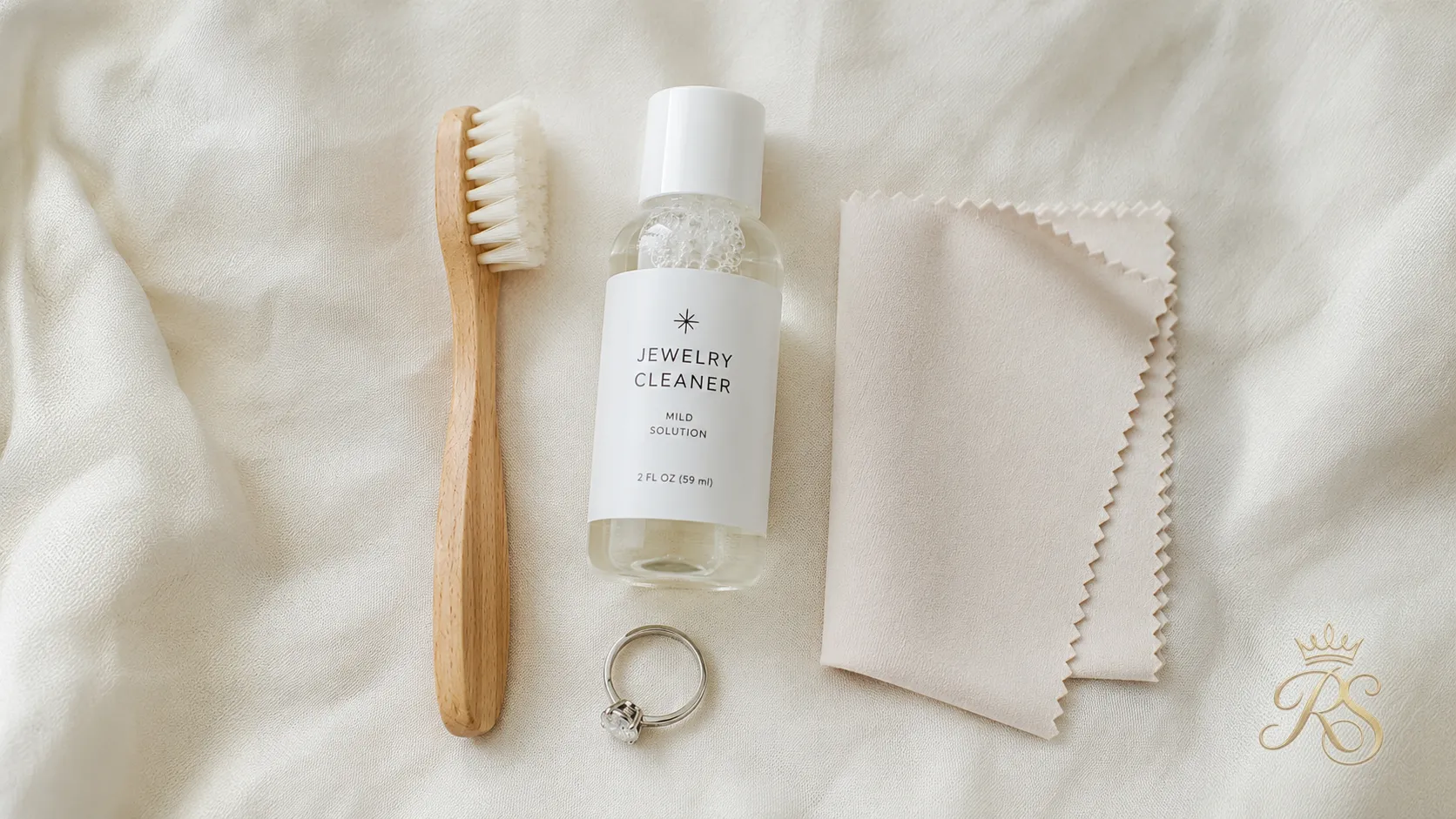
Keep it simple: a soft brush, mild solution, and a professional check-up twice a year.
- Soak in warm water with a drop of mild soap, then brush gently with a soft-bristled brush
- Remove the ring before applying lotion, sunscreen, or swimming in chlorinated water
- Get prongs professionally checked every six months to catch loosening early
- Store it separately in a lined box to prevent surface scratches from other jewelry
Jeweler Selection Checklist
The jeweler you choose matters nearly as much as the ring itself — certification, transparency, and after-sales service all come from the relationship, not the ring alone.
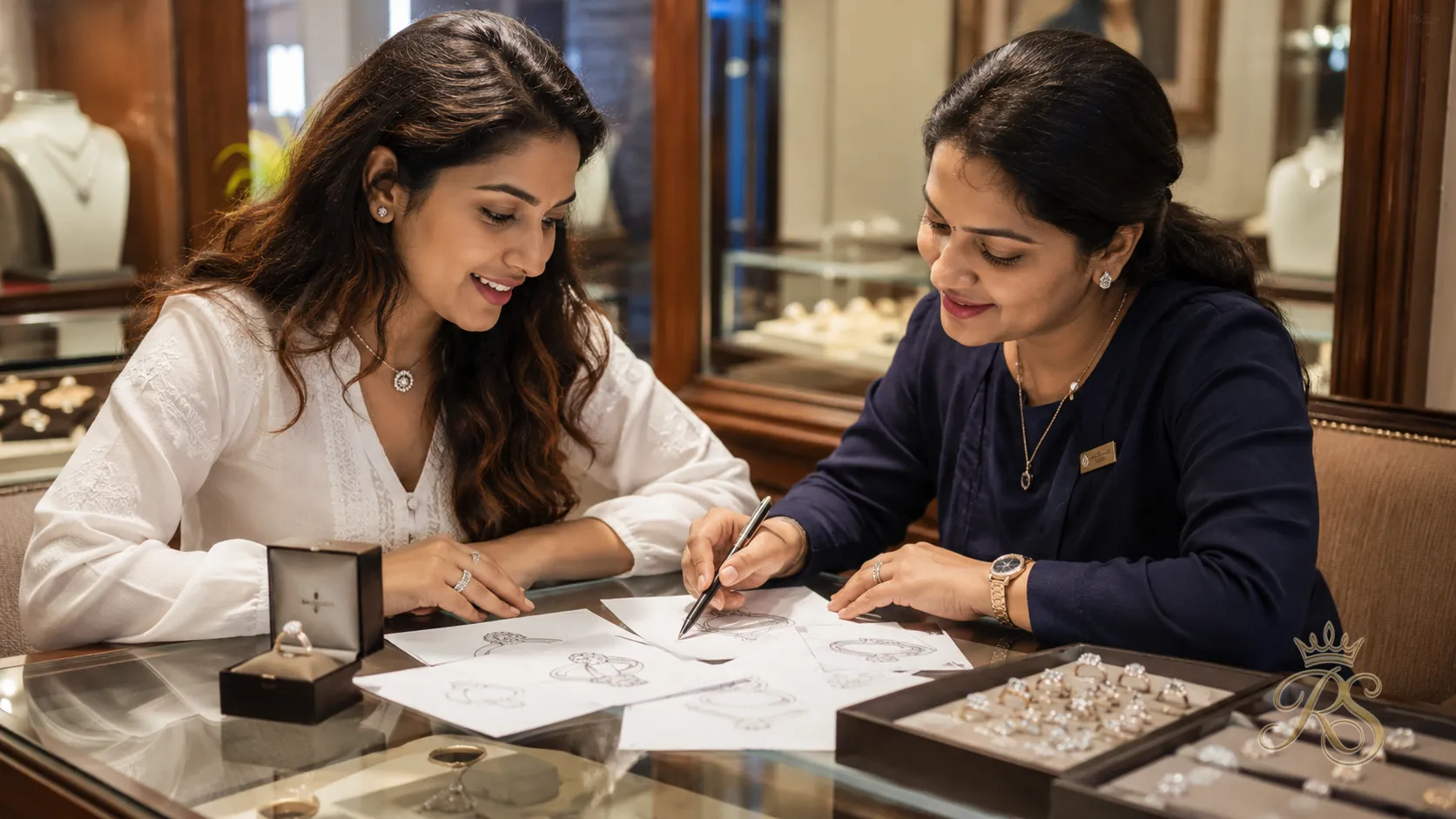
A good jeweler walks you through trade-offs honestly, not just the most expensive option.
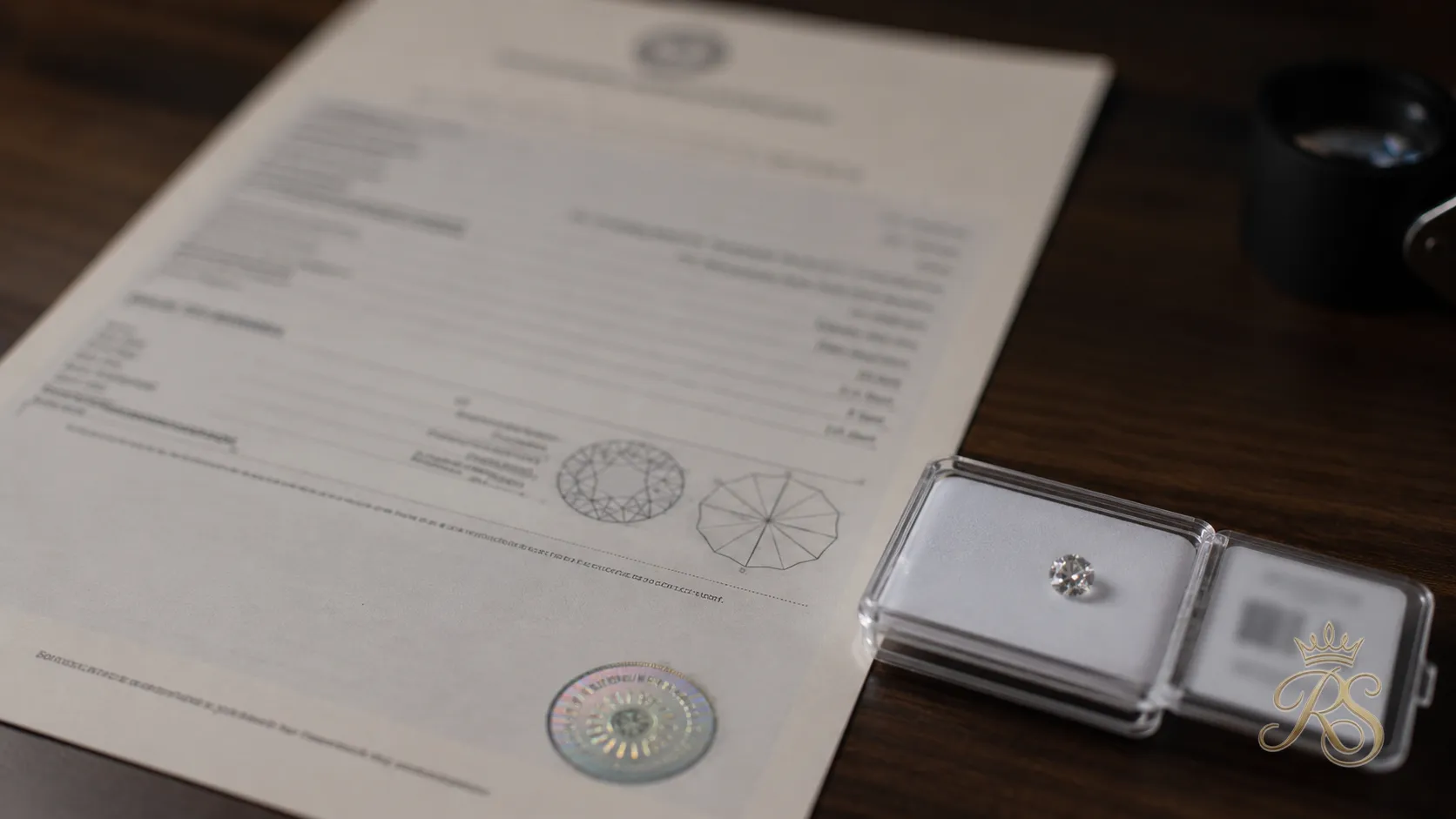
Always ask for independent certification — GIA or IGI — separate from the jeweler's own appraisal.
- Confirm the diamond comes with independent lab certification, not just an in-house grading
- Ask about the resizing, buy-back, and lifetime cleaning policies in writing
- Compare at least two or three jewelers before committing to a final price
Common Mistakes to Avoid
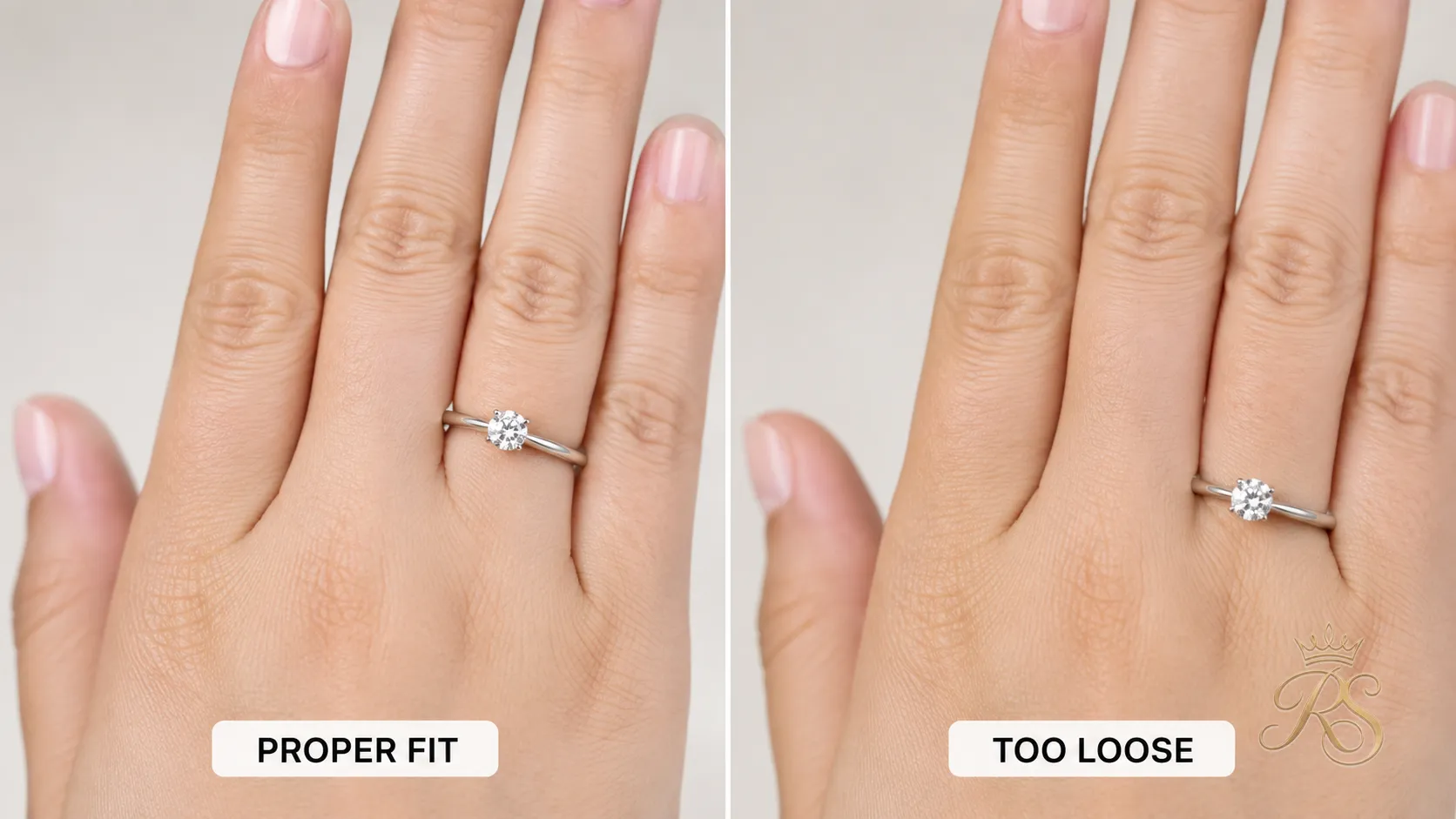
A loose ring is one of the most common — and most preventable — causes of lost rings.
- Prioritizing carat size over cut quality, which sacrifices sparkle for a bigger, duller stone
- Skipping independent certification and relying only on the seller's word
- Guessing the ring size instead of getting a proper in-person measurement
- Not budgeting separately for insurance, which is inexpensive relative to the ring's value
Final Thoughts
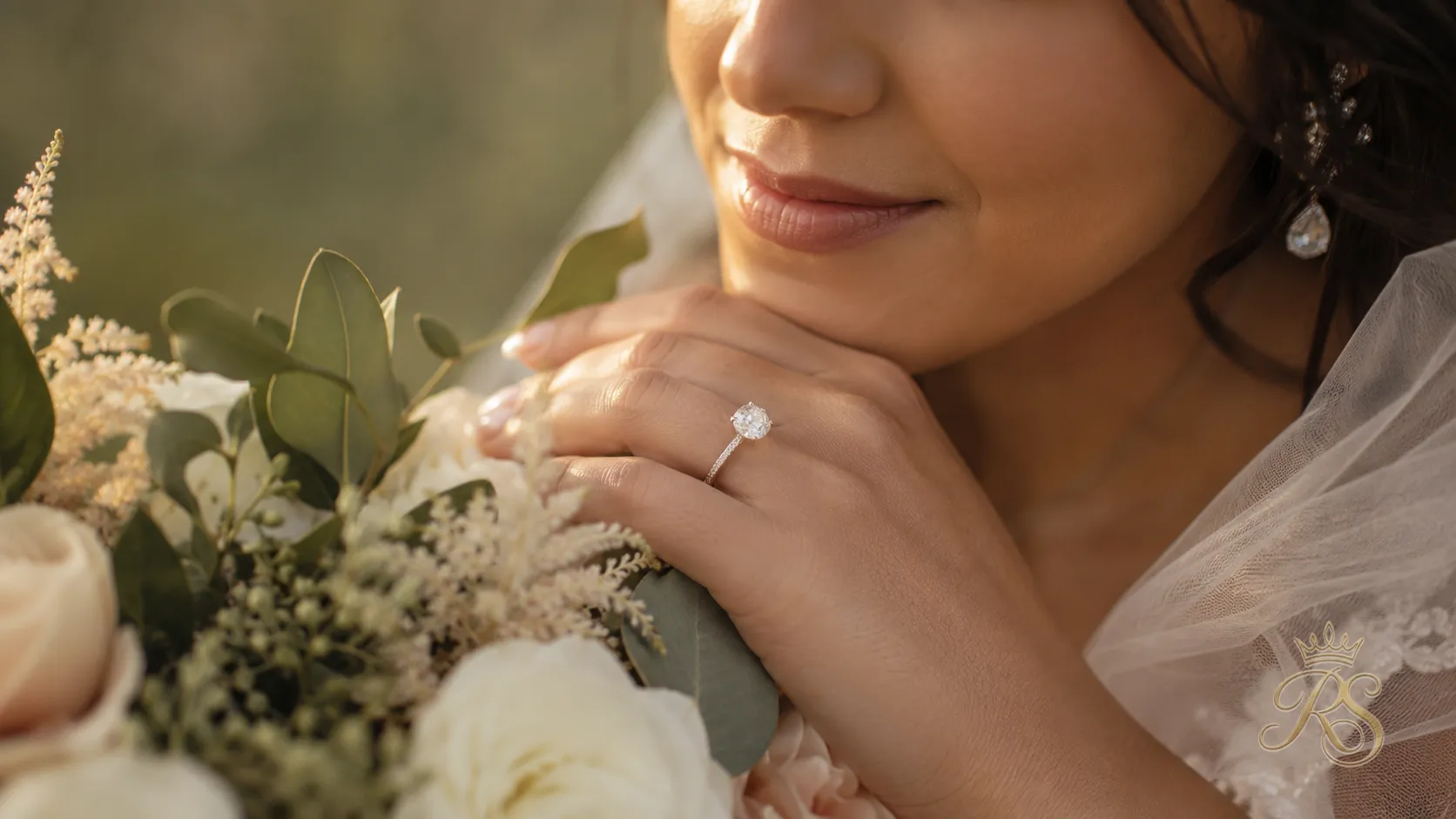
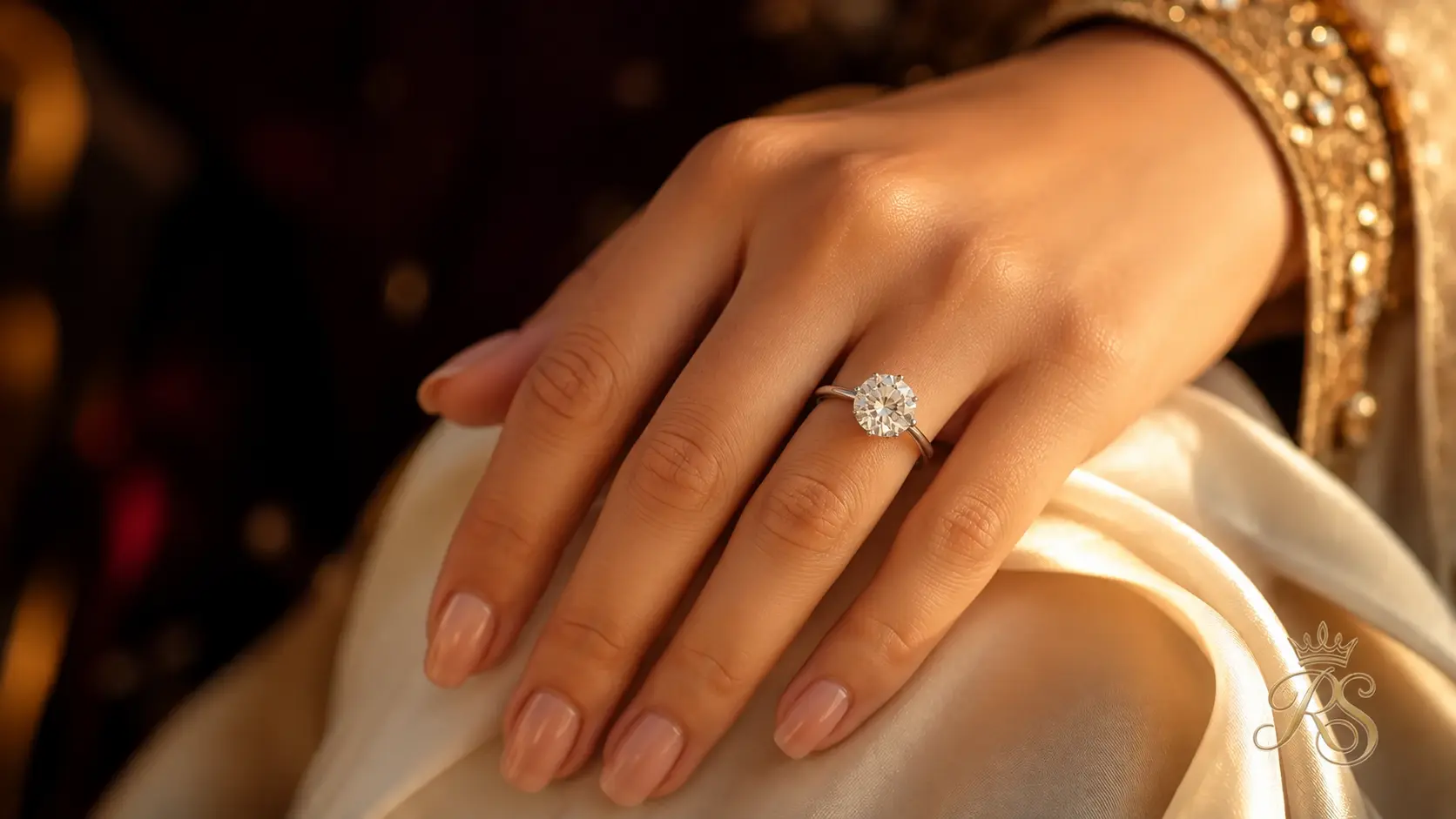
The one she'll wear every day — the real measure of the perfect engagement ring.
The perfect engagement ring isn't the one with the biggest stone or the highest price tag — it's the one that matches her taste, fits her life, and is backed by a jeweler and certification you can trust. Take the time to learn the basics, and the ring you choose will feel effortless to wear for a lifetime.
"A great engagement ring isn't chosen in a hurry at the counter — it's chosen with the same care as the promise it represents."