
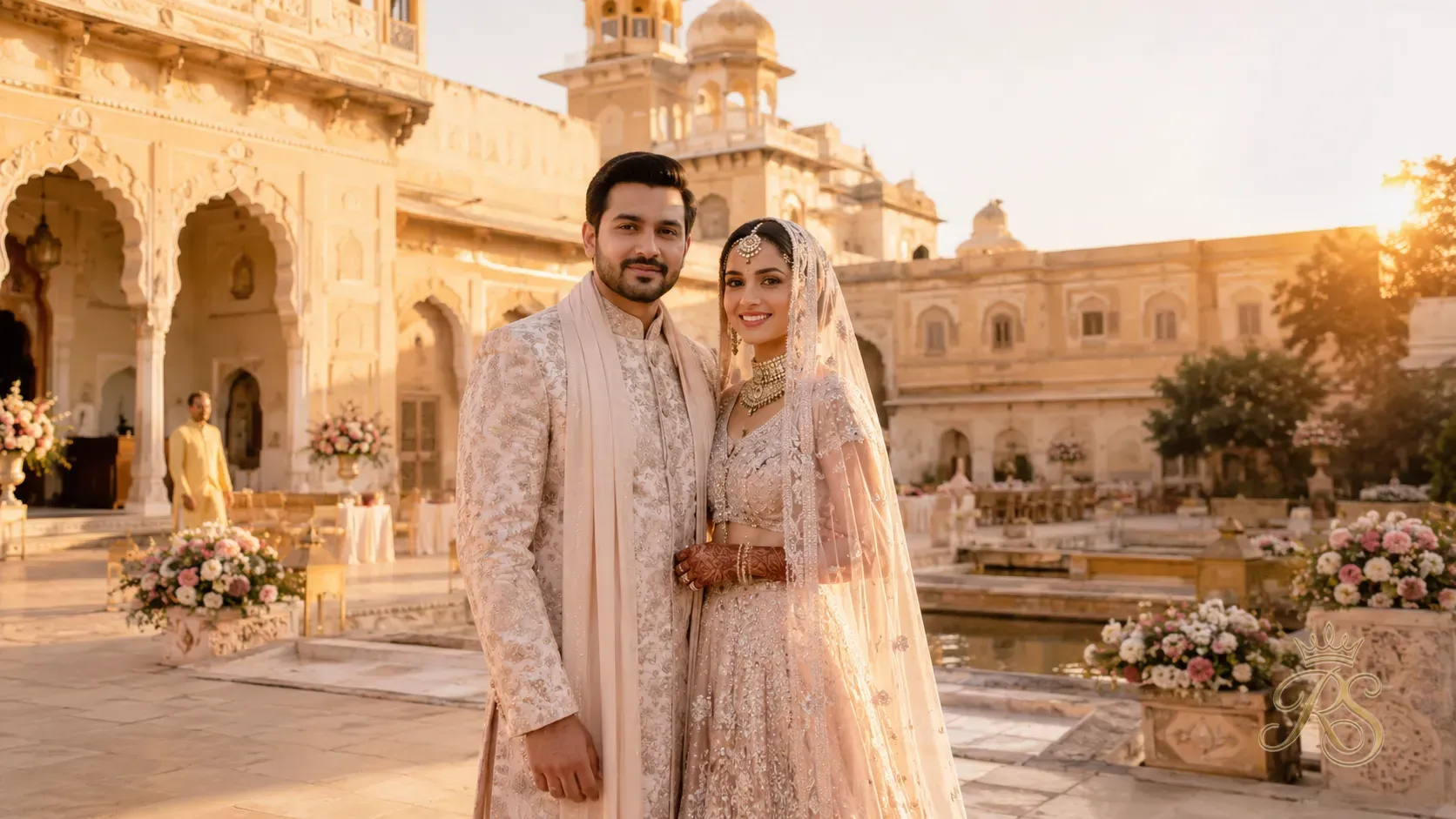
India is one of the most spectacular places on earth to get married. Sun-bleached palaces in Rajasthan, misty tea-garden bungalows in Darjeeling, ancient temple ghats in Varanasi, golden-sand beaches in Goa — the country is a living backdrop for a wedding that your guests will never stop talking about. The good news? A dream destination wedding in India does not have to cost a fortune. With the right planning, the right timing, and a few insider strategies, you can pull off a breathtaking celebration for a fraction of what it would cost in Europe or the United States — or even in a big Indian metro city. This guide walks you through every single step.
Why India Is the Ultimate Destination Wedding Country
Before diving into budgets and logistics, let's acknowledge what makes India so extraordinary as a wedding destination. The country offers unmatched variety — from arid desert forts to lush backwater houseboats, from colonial hill-station bungalows to pristine Andaman beaches. Every region has its own cuisine, flower palette, music tradition, and textile heritage that can be woven into your wedding's identity.
Compared to popular international destinations like Tuscany, Bali, or the Maldives, India offers a remarkable value proposition. Local vendors — decorators, caterers, florists, photographers, and performers — are world-class in skill but a fraction of the cost. Food is a genuine highlight: an elaborate multi-course Indian spread can be laid out for ₹800–₹1,500 per head, while a comparable international banquet would run five to ten times more.
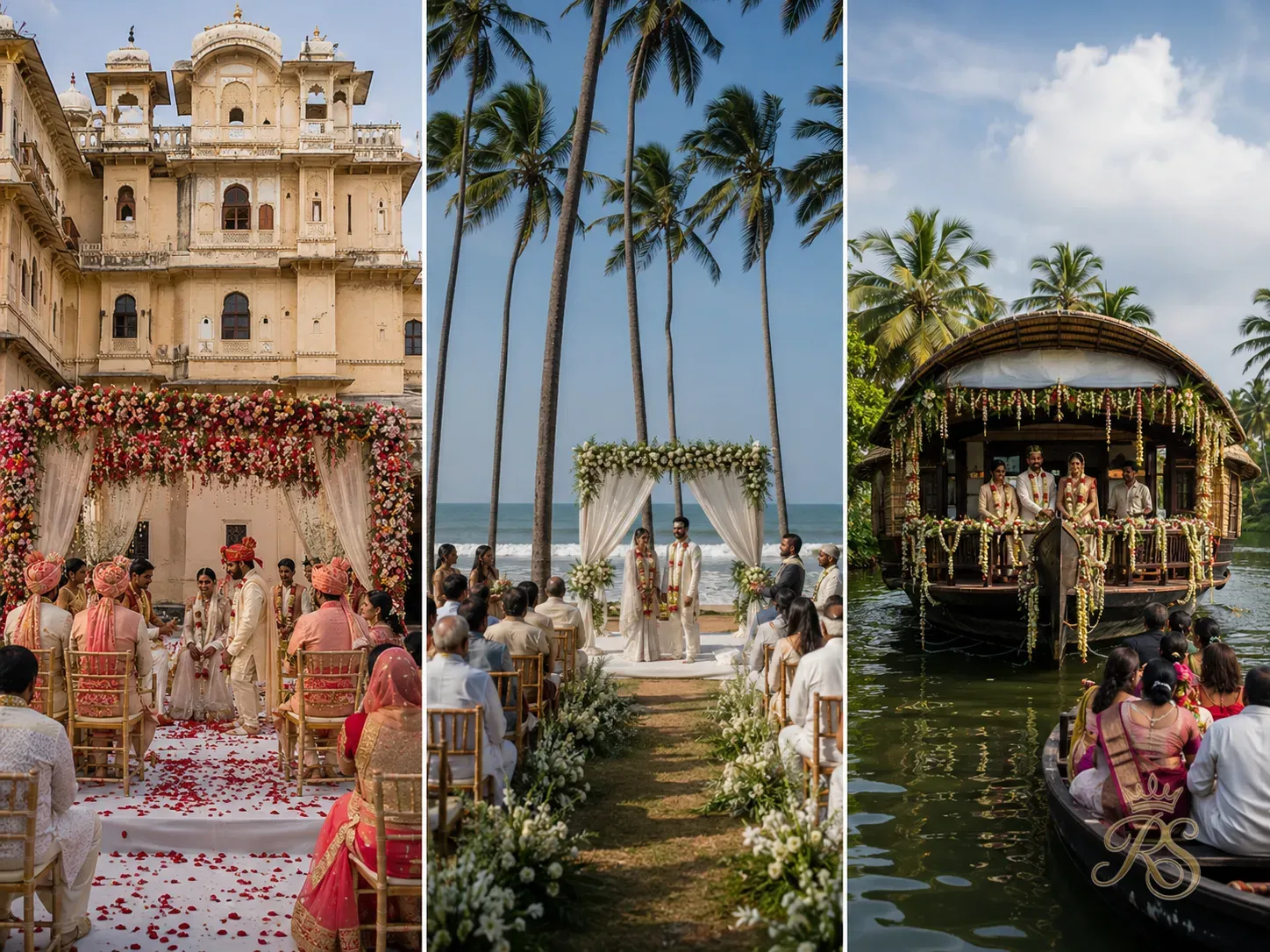
India's diversity: Palace courtyards, tropical beaches, misty hills — the variety of settings is unmatched anywhere in the world.
There is also the emotional dimension. For Indian families, a destination wedding is not just a party — it is a multi-day celebration that brings extended families together from across the country and the world. Building that experience in India means guests connect with the country's culture in a visceral, personal way.
Destination weddings in India typically span 3–5 days. This gives you more time to celebrate and makes the per-day cost feel more reasonable than a single-event wedding. Budget planning per event (mehendi, sangeet, pheras, reception) rather than per day keeps the numbers manageable.
The Honest Budget Breakdown
The first rule of budget wedding planning is honesty with yourself. "Budget" means different things to different people. For this guide, we use three realistic tiers so you can find your own starting point:
| Category | Budget Tier ₹8–15 Lakh |
Mid Tier ₹15–30 Lakh |
Luxe-Budget Tier ₹30–55 Lakh |
|---|---|---|---|
| Venue (3 nights) | ₹1.5–3L | ₹3–6L | ₹8–16L |
| Catering (per head, 3 events) | ₹1,000–1,500 | ₹1,500–2,500 | ₹2,500–4,500 |
| Decor (full 3 days) | ₹1–2.5L | ₹3–6L | ₹8–18L |
| Photography + Video | ₹80K–1.5L | ₹1.5–3L | ₹3–7L |
| Bridal Outfit(s) | ₹30–80K | ₹80K–2L | ₹2–6L |
| Entertainment + Music | ₹40–80K | ₹1–2.5L | ₹2.5–6L |
| Guest Travel + Logistics | ₹50K–1L | ₹1–2.5L | ₹3–8L |
| Invitations + Gifting | ₹20–50K | ₹50K–1.5L | ₹1.5–4L |
| Total (approx., 75 guests) | ₹8–15L | ₹15–30L | ₹30–55L |
These are realistic estimates based on 2024–2025 vendor pricing across popular Indian destination wedding cities. The guest count dramatically affects the catering line — managing your guest list is the single highest-leverage budget decision you can make.
"A destination wedding is not about doing less — it is about spending deliberately. Every rupee should be visible to your guests."
The 50/30/20 Allocation Rule
A clean way to allocate your total budget: put 50% on the experiences guests will feel (food, entertainment, ambience/decor), 30% on the memories you'll keep (photography, video, bridal outfits), and 20% on logistics (travel, accommodation coordination, stationery). This prevents the common mistake of over-spending on invisible costs and under-investing in what guests actually experience.
Choosing the Right Destination
India's geography is your biggest creative asset. The right destination should score high on three criteria: visual drama (how spectacular is the backdrop?), accessibility (how easy is it for guests to reach?), and value (how affordable are local vendors and venues?). Here is our curated shortlist of the best destination wedding locations in India for budget-conscious couples:
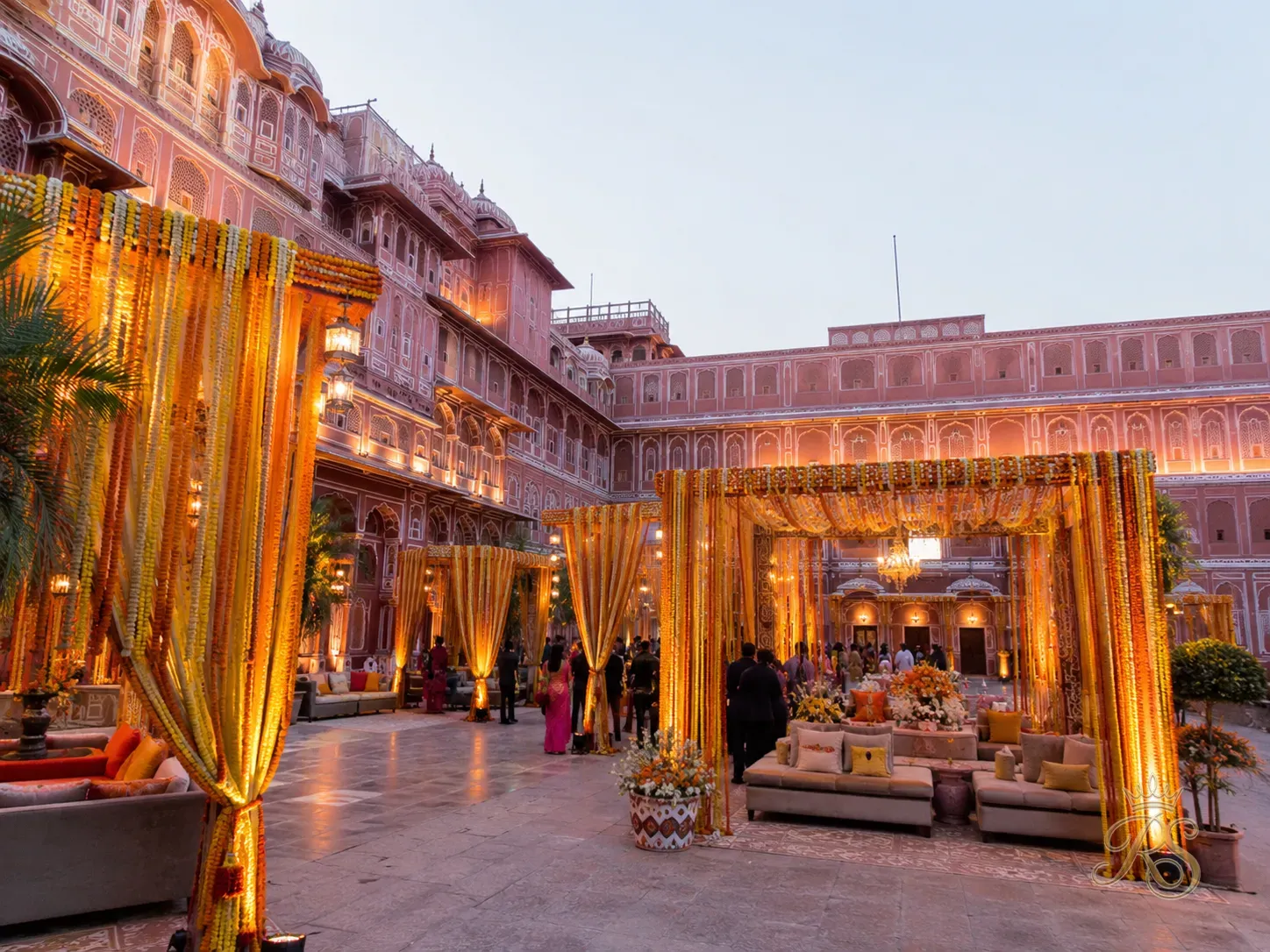
Rajasthan — Jaipur, Udaipur, Jodhpur
Heritage havelis and palace hotels at every price point. Rajasthan leads for sheer visual grandeur. Off-season (April–June) rates can be 40–60% lower.
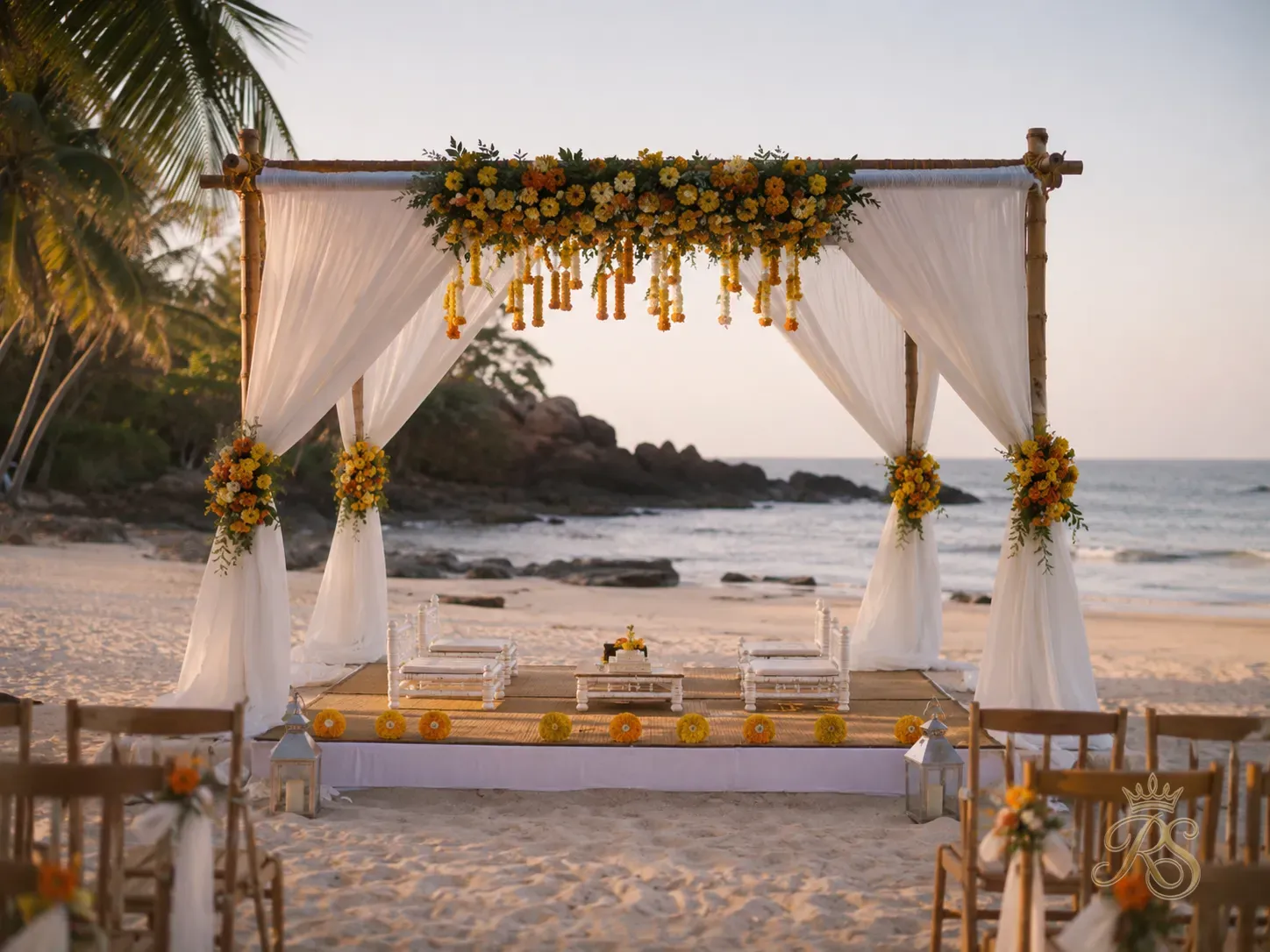
Goa — North & South
A perennial favourite. Beachfront resorts in South Goa offer the best value. November–February is peak season; October and March offer shoulder-season savings.
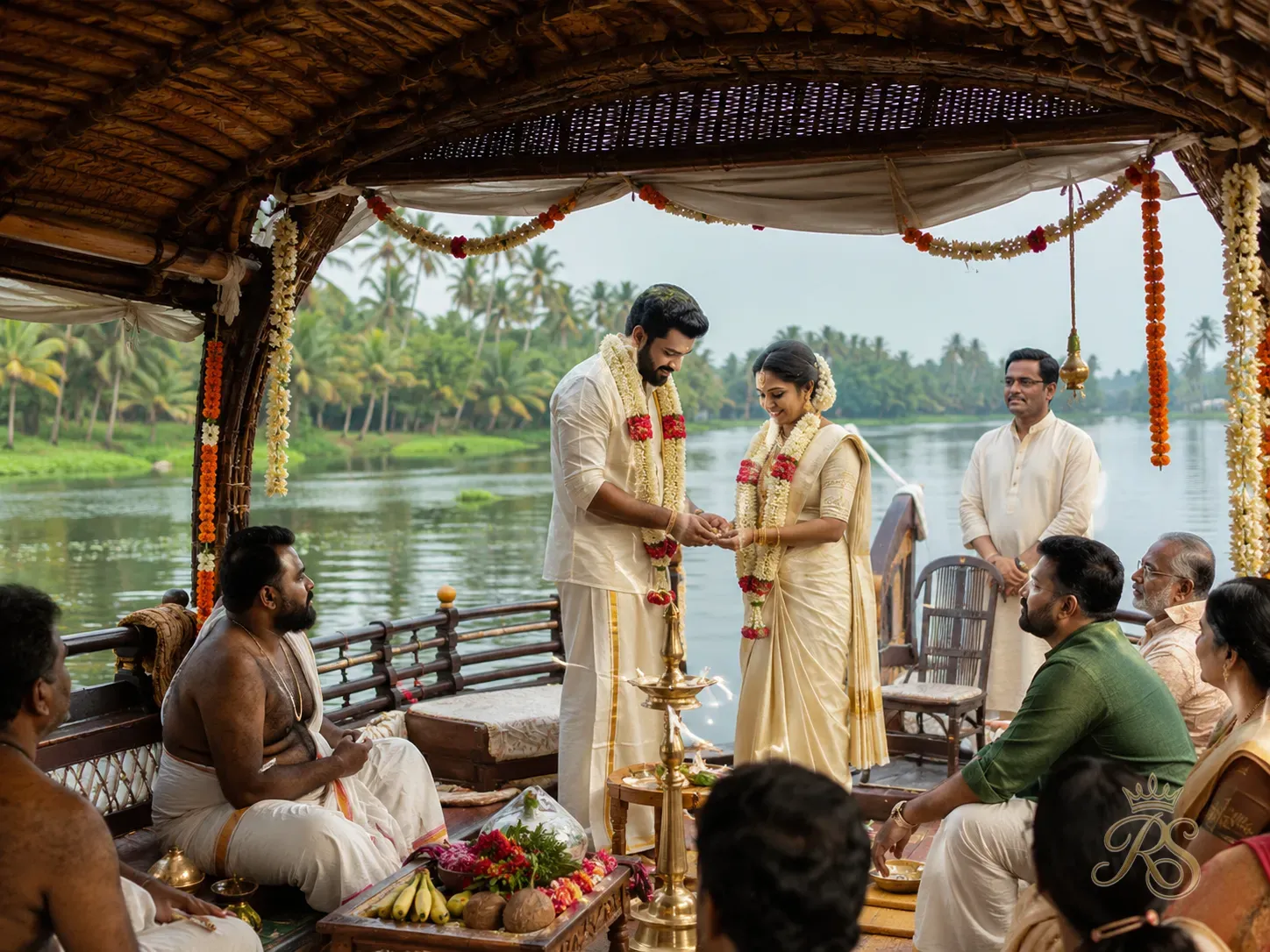
Kerala — Alleppey, Munnar, Kovalam
Houseboats, tea estates, and hillside churches. Kerala is often 30–40% more affordable than Rajasthan and delivers extraordinary natural beauty.
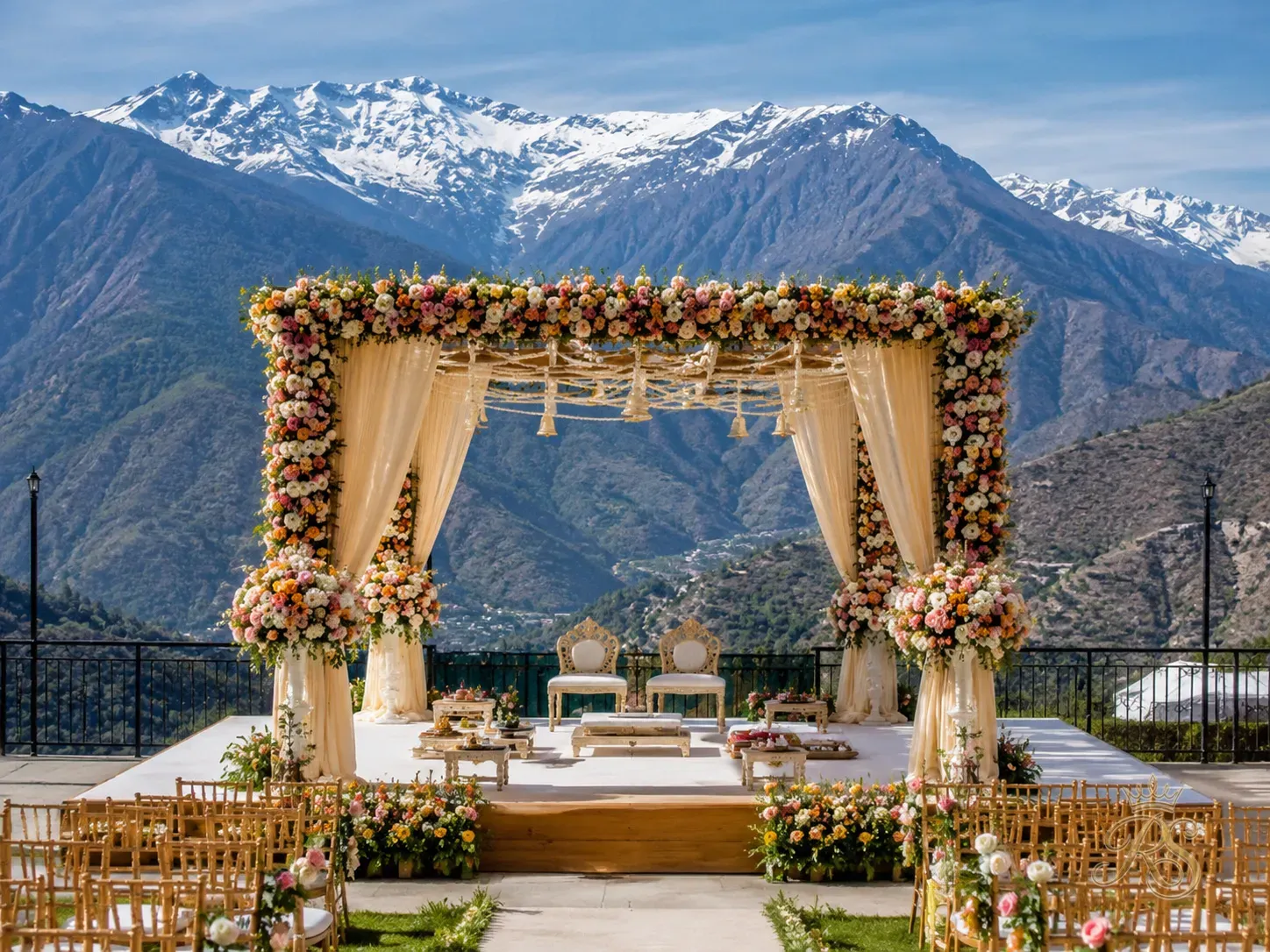
Himachal Pradesh — Kasol, Dharamsala, Shimla
Mountain magic at accessible prices. Apple orchards and pine forests create a fairytale setting. Best April–June and September–October.
Other Worthy Contenders
- Rishikesh, Uttarakhand — riverside weddings with yoga and wellness activities for guests; incredibly affordable.
- Pondicherry — French colonial architecture, beachside venues, and a bohemian atmosphere with surprisingly moderate pricing.
- Coorg, Karnataka — coffee plantation estates that can be exclusively booked; a luxury feel without luxury pricing.
- Rann of Kutch, Gujarat — one of the most dramatic settings in all of Asia; a white salt desert under open sky.
- Andaman Islands — for small, intimate weddings, beach ceremonies here are unmatched in beauty.
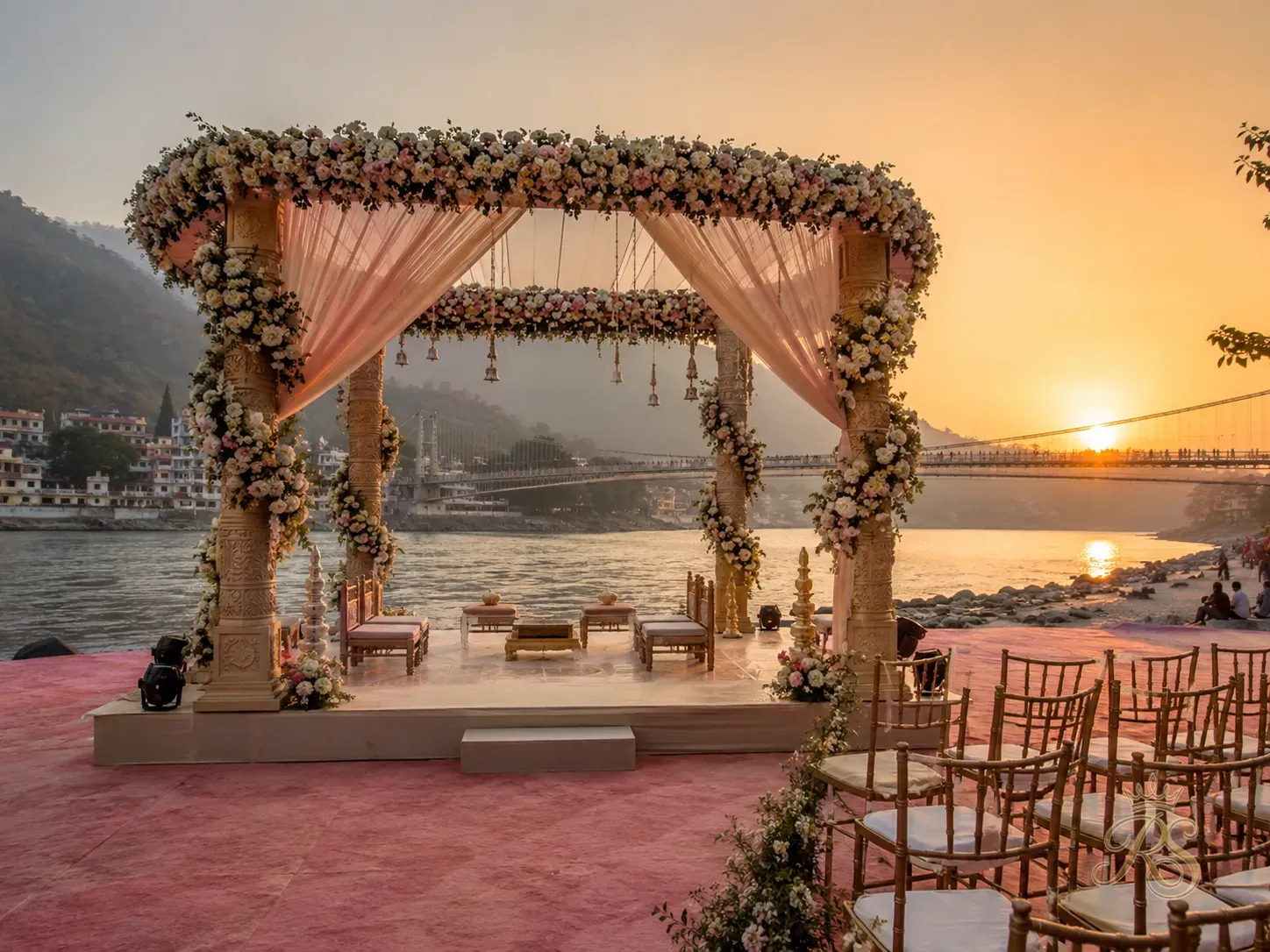
Rishikesh rising: The Ganges riverbank creates a deeply spiritual, visually arresting wedding backdrop — at a fraction of Rajasthan's cost.
Choosing the Right Season — Timing Is Everything
One of the biggest levers you have on your budget is when you marry. Indian destination wedding venues price dynamically — the exact same palace in Udaipur can cost you ₹4 lakh in February and ₹1.5 lakh in May. Understanding the seasonal grid can save you lakhs.
Off-Season Gem
October
Post-monsoon. Greenery at its peak, cooler than summer. 20–30% off peak pricing.
Peak Season
Nov – Feb
Most popular. Perfect weather everywhere. Book 12–18 months ahead or pay premium.
Shoulder Season
March
Still pleasant. Early heat in north. 10–15% savings over peak with good availability.
Avoid (Monsoon)
Jul – Sep
Heavy rains across most of India. Challenging for outdoor setups. Some discounts but risky.
Budget Sweet Spot
Apr – Jun
Hot in the plains, but hill stations (Himachal, Coorg) are glorious. 40–60% savings.
Value Season
Late June
Pre-monsoon lull. Kerala and hill stations still viable. Significant discounts available.
Weekday weddings (Wednesday through Friday) can save you 20–35% on venue rental even in peak season. Many venues charge a premium specifically for weekend bookings. If your guests can take a day or two off work, the savings are significant.
Finding & Negotiating the Perfect Venue
Your venue sets the tone for everything. In India, the biggest differentiator is the venue type. Each carries very different price points and ambiences.
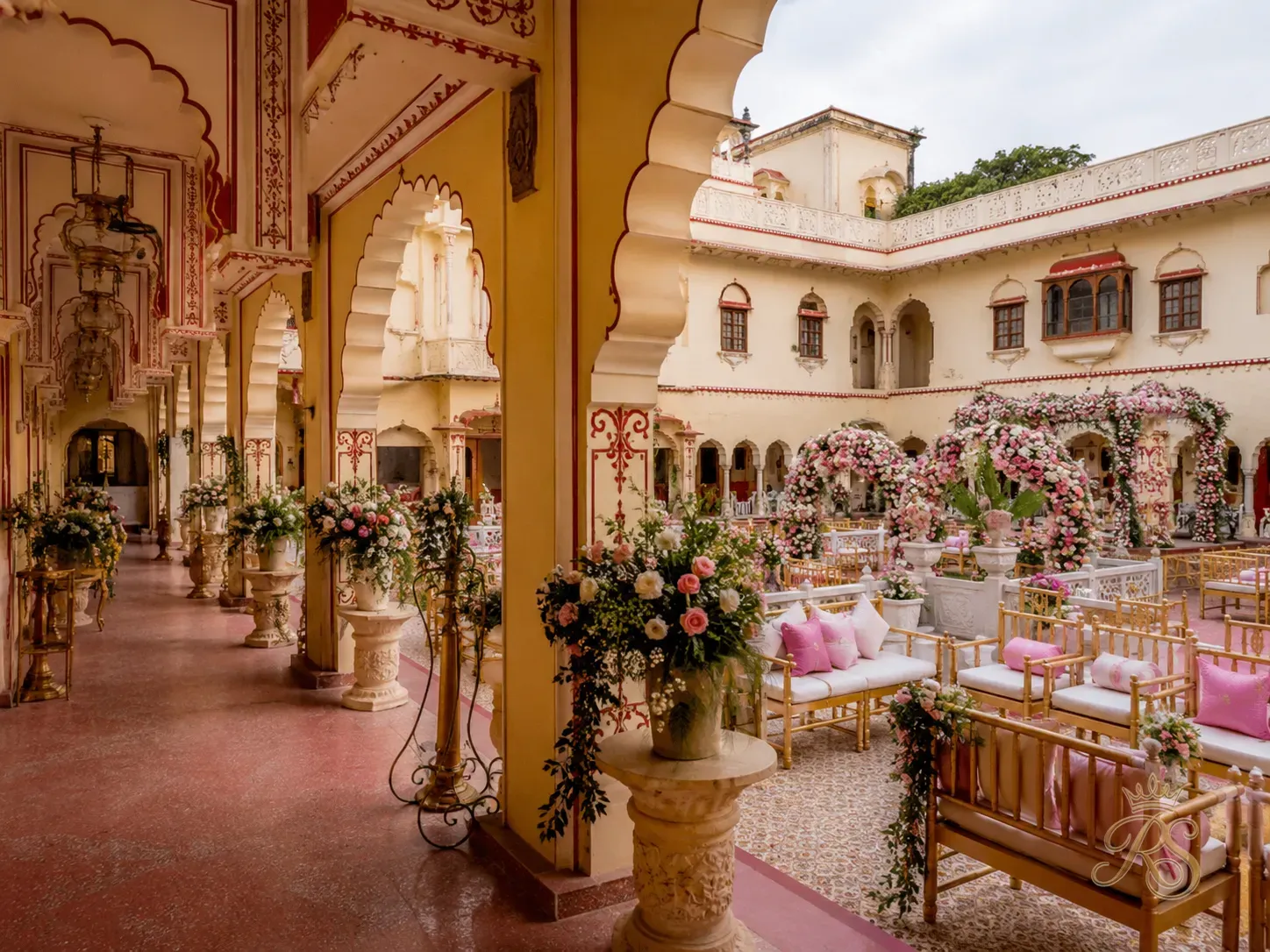
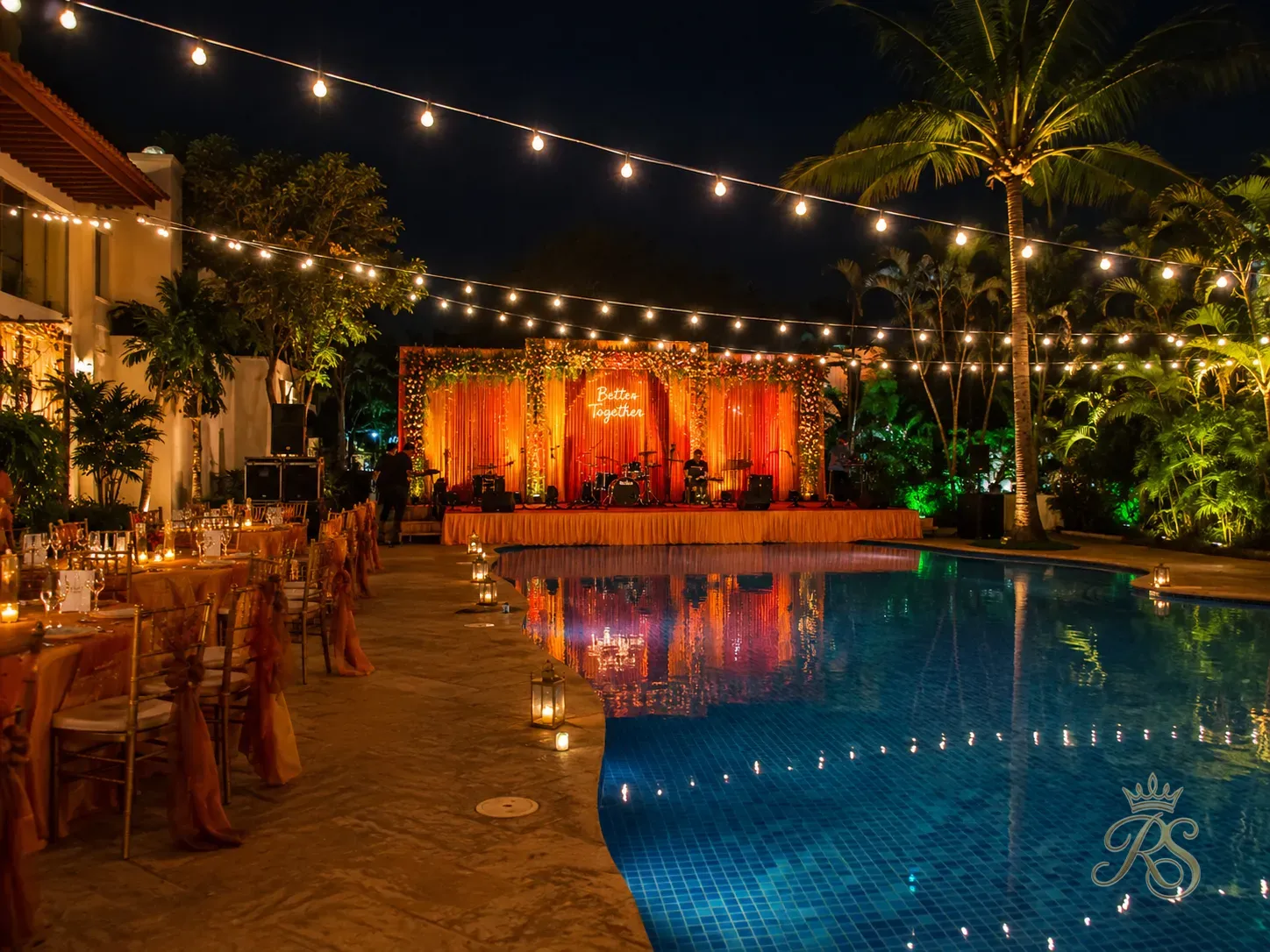
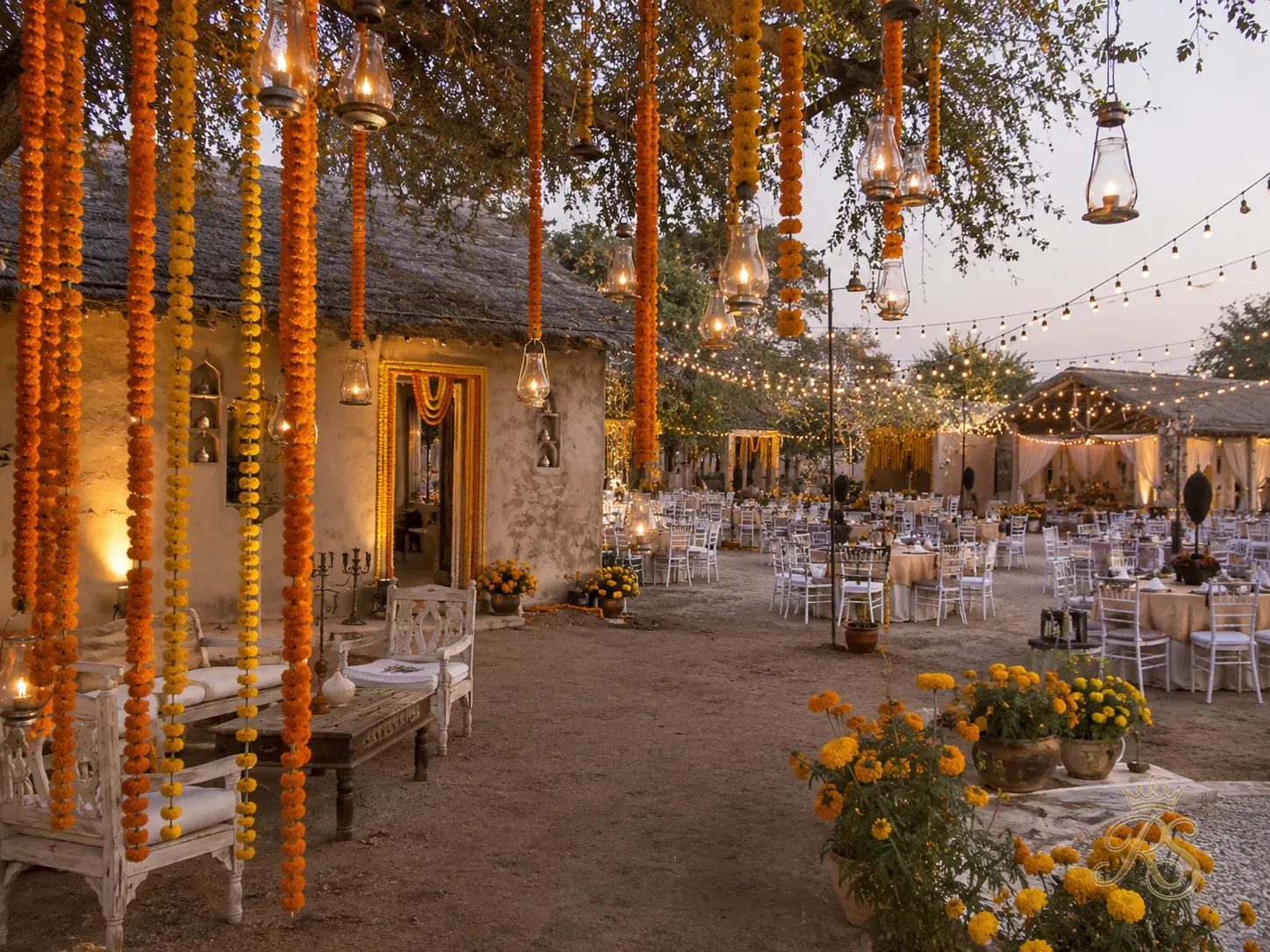
Heritage Havelis — Built-in grandeur, minimum décor needed.
Heritage Havelis & Boutique Hotels
These are the gold standard for visual impact. Many smaller havelis in Rajasthan, Himachal, and Coorg can be exclusively booked for 2–4 nights at rates that are genuinely reasonable when split across your guest count. The built-in architecture means you spend far less on décor — the walls, archways, and courtyards do the work for you.
Farmhouses & Estates
Increasingly popular across the country, dedicated farmhouse venues offer flexibility, privacy, and attractive pricing. Estates near Jaipur, Hyderabad, and Bangalore are particularly well-equipped for weddings and often allow you to bring your own caterers, which unlocks major savings.
Resorts with Lawn Access
Mid-range resort properties — particularly in Goa, Kerala, and Jim Corbett — often offer banquet/lawn packages that include basic accommodation, making it easy for guests to walk from their rooms to the venue.
The Art of Venue Negotiation
- Always ask for the "all-inclusive" package that bundles accommodation, event space, and catering — the bundled rate is almost always better than line-itemed pricing.
- Mention competitor quotes from similar properties. Venues nearly always have room to move on price.
- Offer to pay a larger deposit in exchange for a better rate — cash-flow certainty is valuable to venues.
- Ask what is included in the venue fee versus what is charged extra (generator backup, parking, security, cleanup). These hidden costs can add 15–25% to quoted rates.
- Negotiate an "event minimum" rather than a per-head rate for catering — this often works in your favour for smaller guest lists.
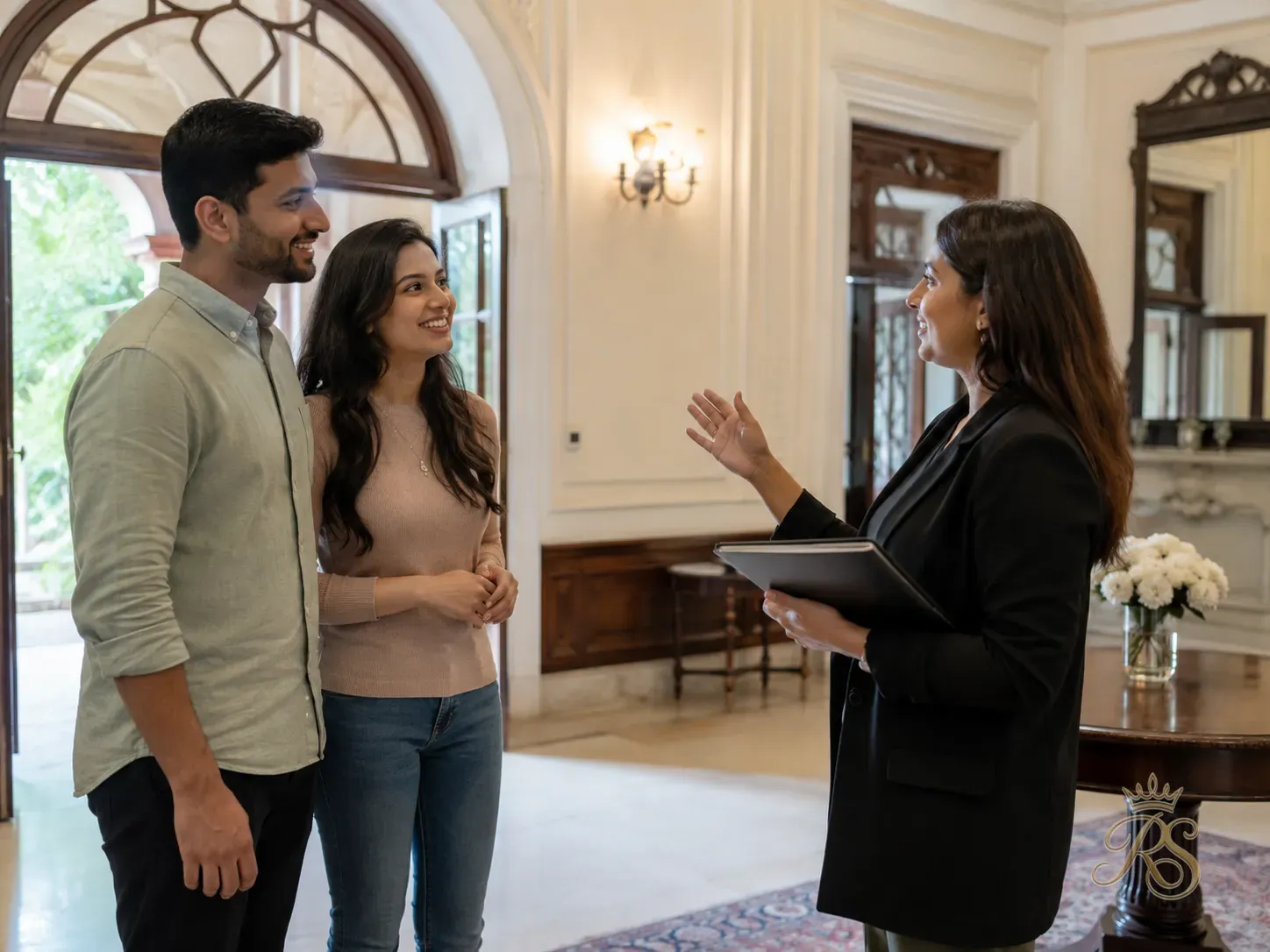
Always visit in person. Photos flatter. A site visit reveals the actual space, the light quality, and the access logistics.
Décor That Looks Expensive Without Being Expensive
Indian wedding décor is one of the most theatrical in the world. Marigold strings, rose petal carpets, banana leaf mandaps, draped mahal settings — the visual vocabulary is rich, and the best news is that the most impactful elements are also the most affordable.
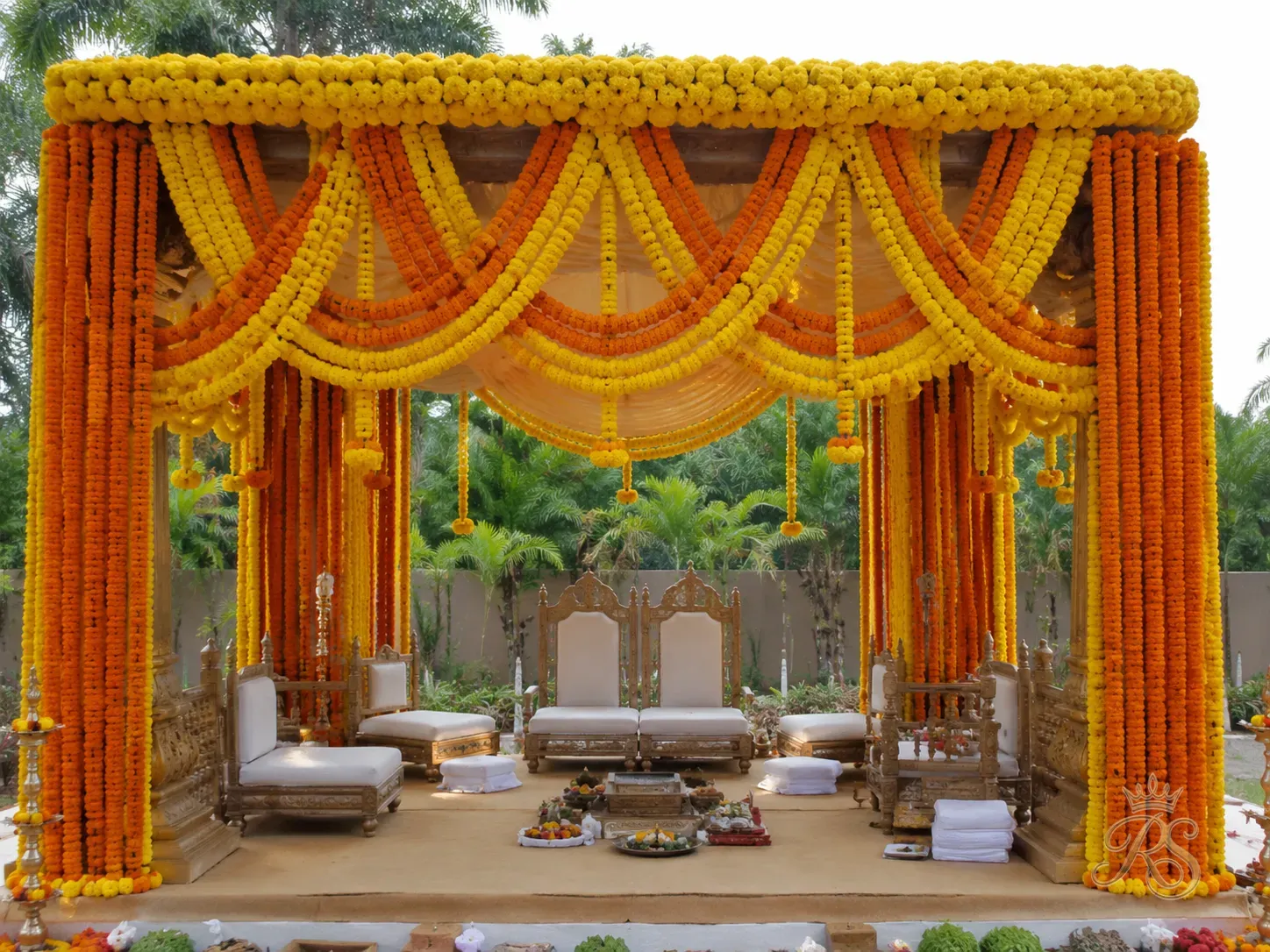
Fresh marigolds cost ₹40–80/kg and create instant magic.
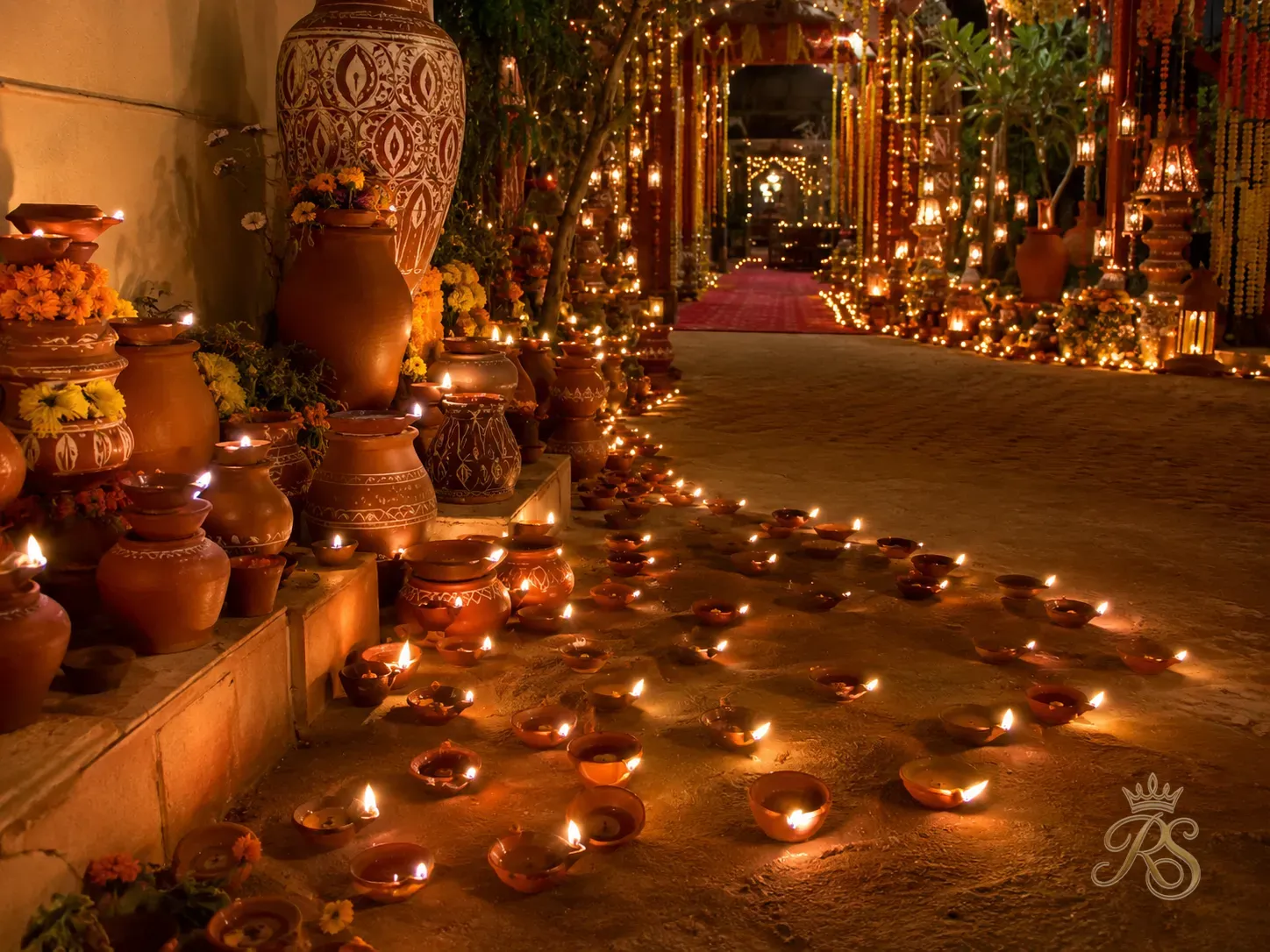
Diyas and clay pots — inexpensive, local, and deeply beautiful.
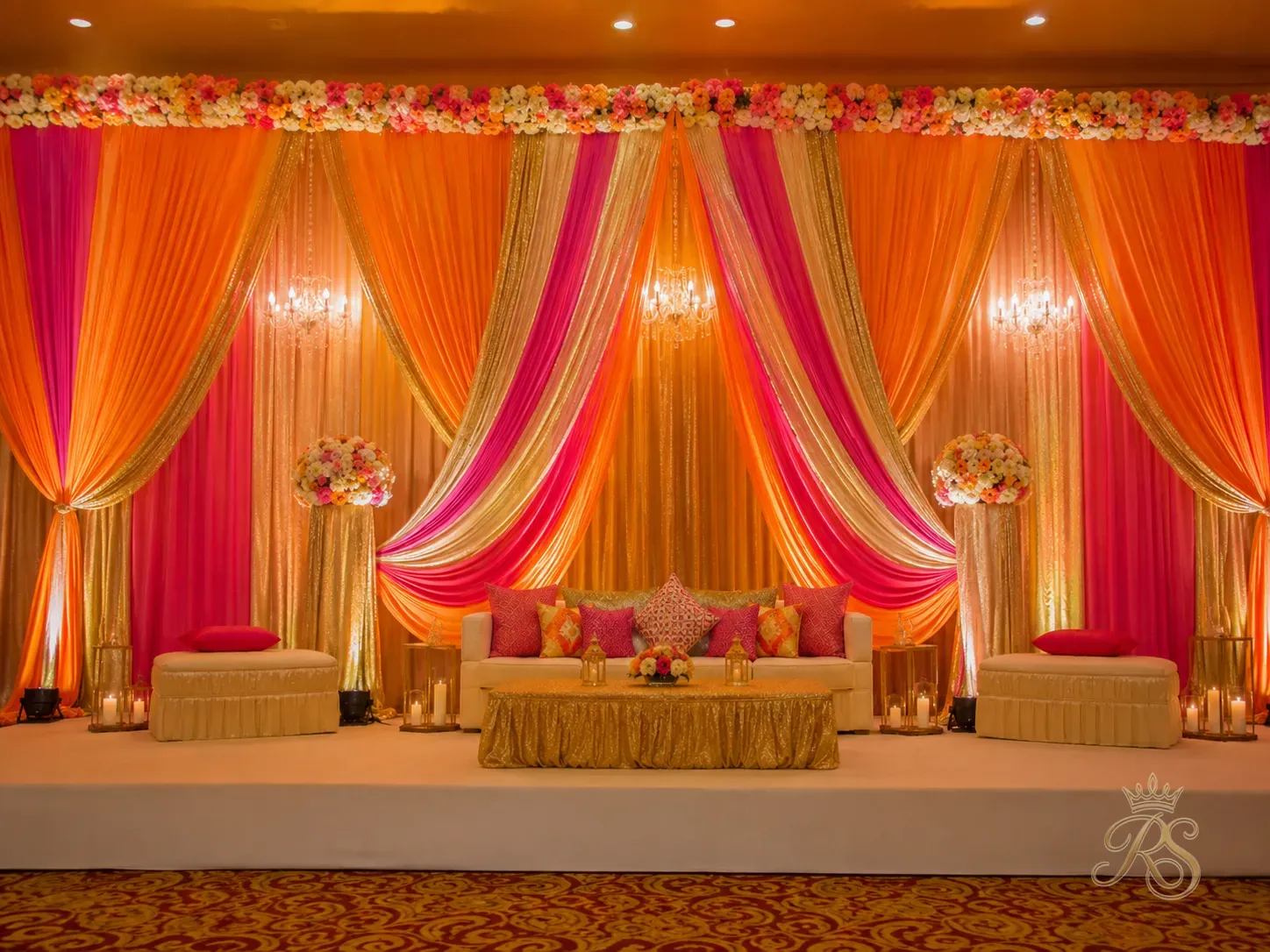
Fabric draping using local mill cloth creates drama at low cost.
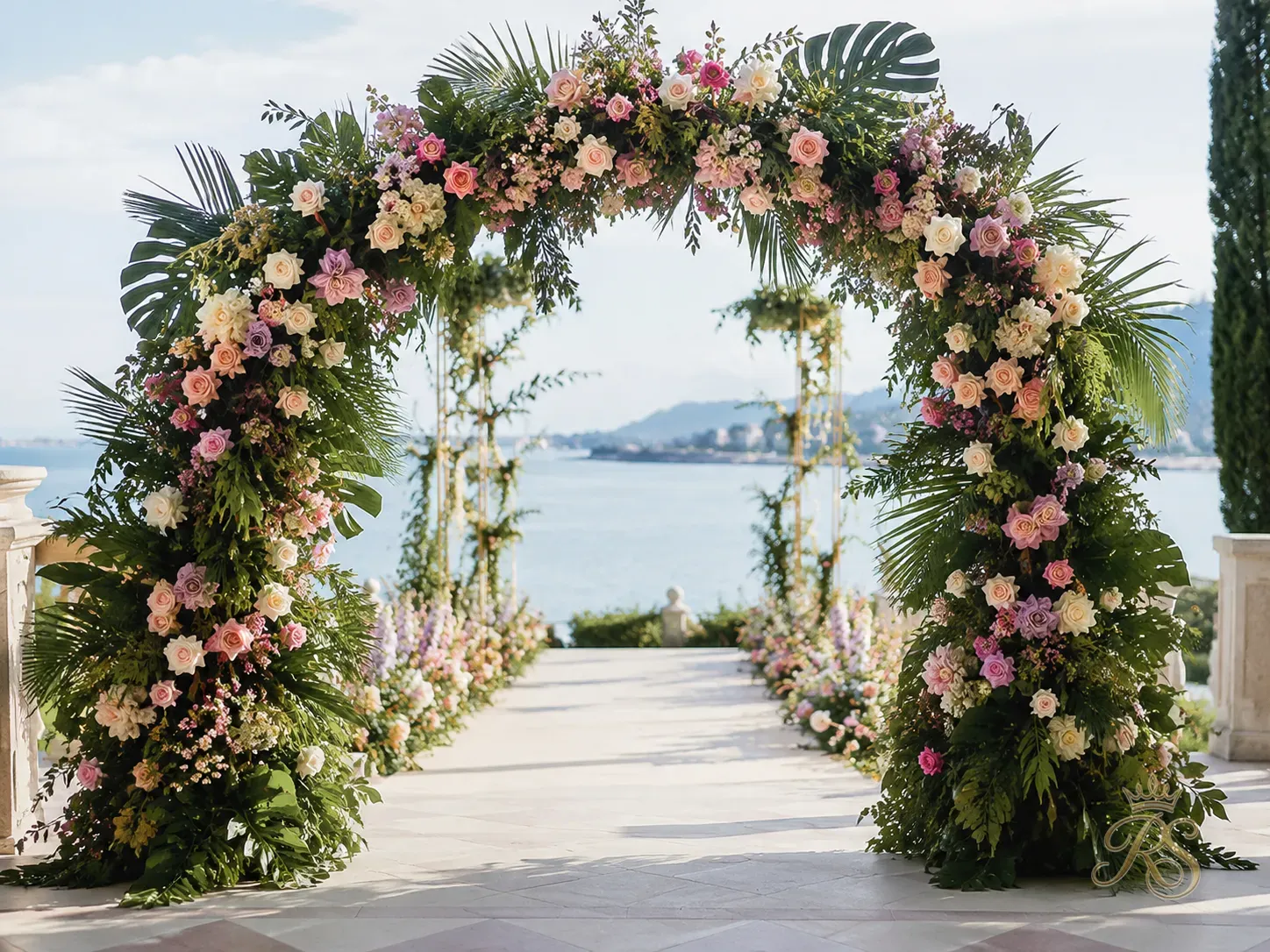
Entrance arches are the most-photographed element — invest here.
The Budget Décor Hierarchy
Not all décor is equal. Prioritise elements in this order for maximum visual impact per rupee:
- Entrance and main gate: The first impression. Fresh flowers, banana leaves, traditional toranas — spend well here.
- The mandap or wedding altar: This is in every photograph. A beautifully designed mandap with 80% flowers and 20% structure gives you the most memorable images.
- Stage backdrop for sangeet/reception: A well-lit, well-styled stage backdrop makes every performance photograph beautifully.
- Guest table centrepieces: Where budget décor can be simplified — seasonal flowers and candles work beautifully.
- Overall lighting: String lights, lanterns, and uplighting transform any space. Lighting is the highest ROI décor element.
What to Skip
Avoid costly photo booths, elaborate welcome boards, and decorative items that guests briefly glance at and forget. These can silently consume ₹1–3 lakh for almost zero experiential impact.
Source your fresh flowers directly from a local mandi (wholesale flower market) the morning before your event. Prices are 60–70% lower than going through a florist. Many budget decorators already do this — just verify your decorator is not inflating flower costs.
Food & Catering — Where You Must Not Compromise
Indian wedding guests will forgive a low-key décor scheme. They will not forgive disappointing food. Food is the centrepiece of the celebration, the most-discussed element after the wedding, and the single line item where "budget cuts" directly translate to guest memory. Spend smart, not cheap.
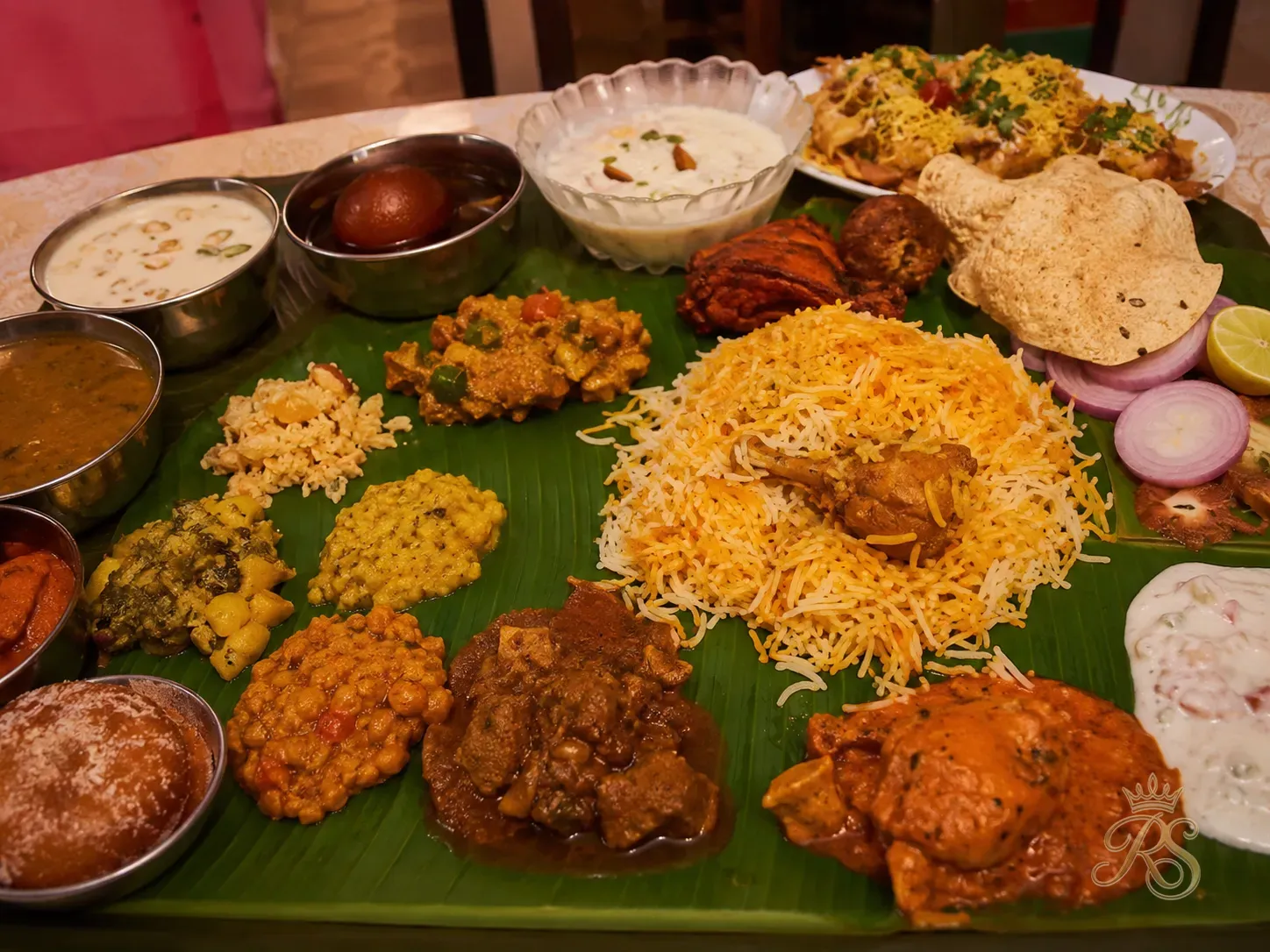
Go local and seasonal. A spread of regional specialities is more impressive — and more affordable — than trying to replicate a five-star hotel menu.
Catering Strategies That Save Money
- Go regional: If you are in Rajasthan, serve dal baati churma, laal maas, and ker sangri. In Goa, serve fish curry rice and bebinca. Local menus use local ingredients, dramatically reducing food costs.
- Avoid extensive live counters at every event: Pick one event (usually the reception) for the elaborate spread. Keep the mehendi and sangeet food lighter — kebabs, chaats, and sweets suffice.
- Pre-plated dessert service costs far less than an elaborate dessert counter with live chefs.
- Negotiate a per-plate guarantee below your expected headcount (usually 80–85%) — Indian weddings reliably have some no-shows, and this can save you 10–15% on the bill.
- Local caterers over in-house catering: Hotel in-house catering typically carries a 30–50% markup. If your venue permits, hiring a local caterer with a proven track record is almost always better value.
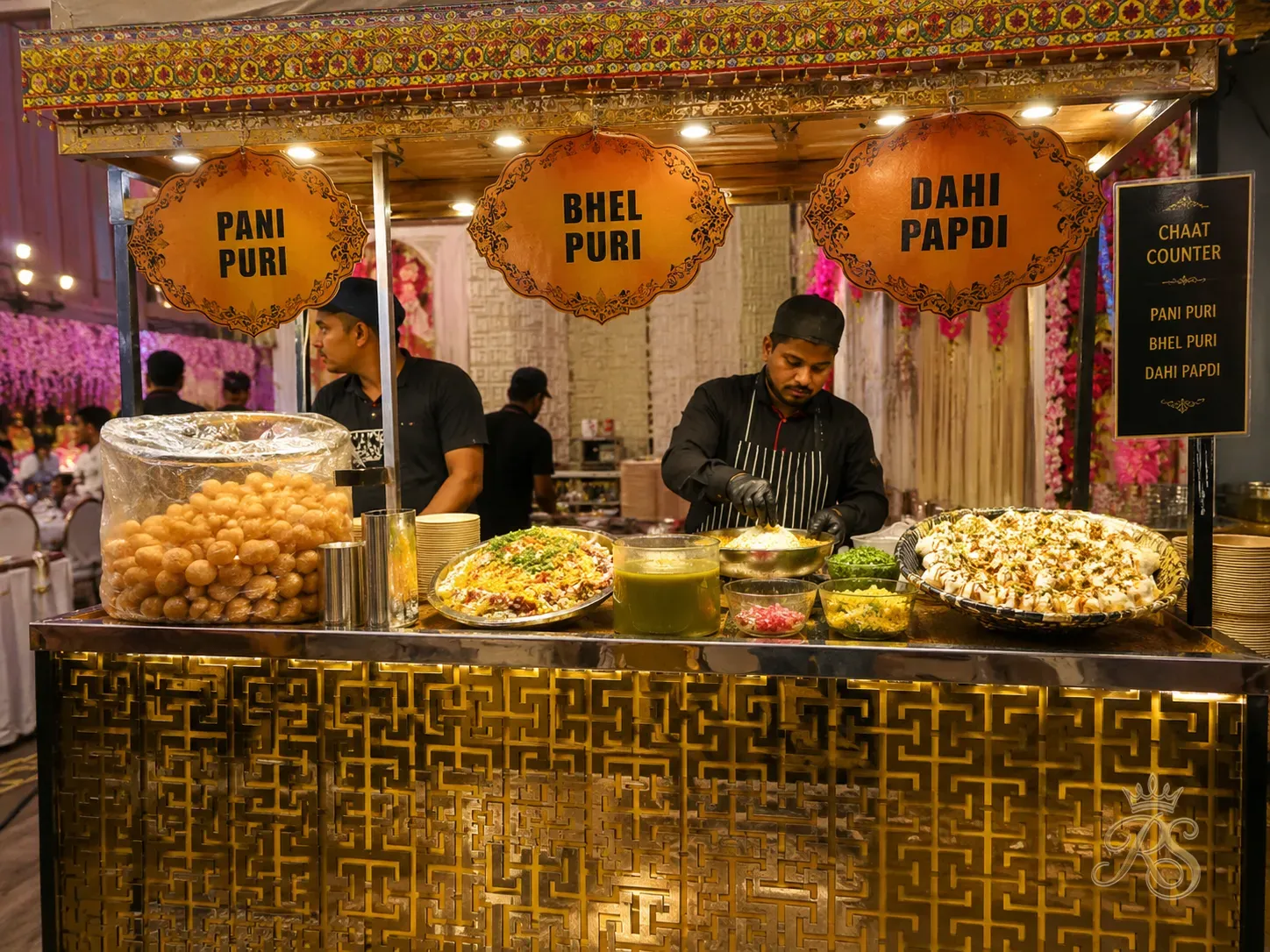
A chaat counter is universally loved and surprisingly affordable.
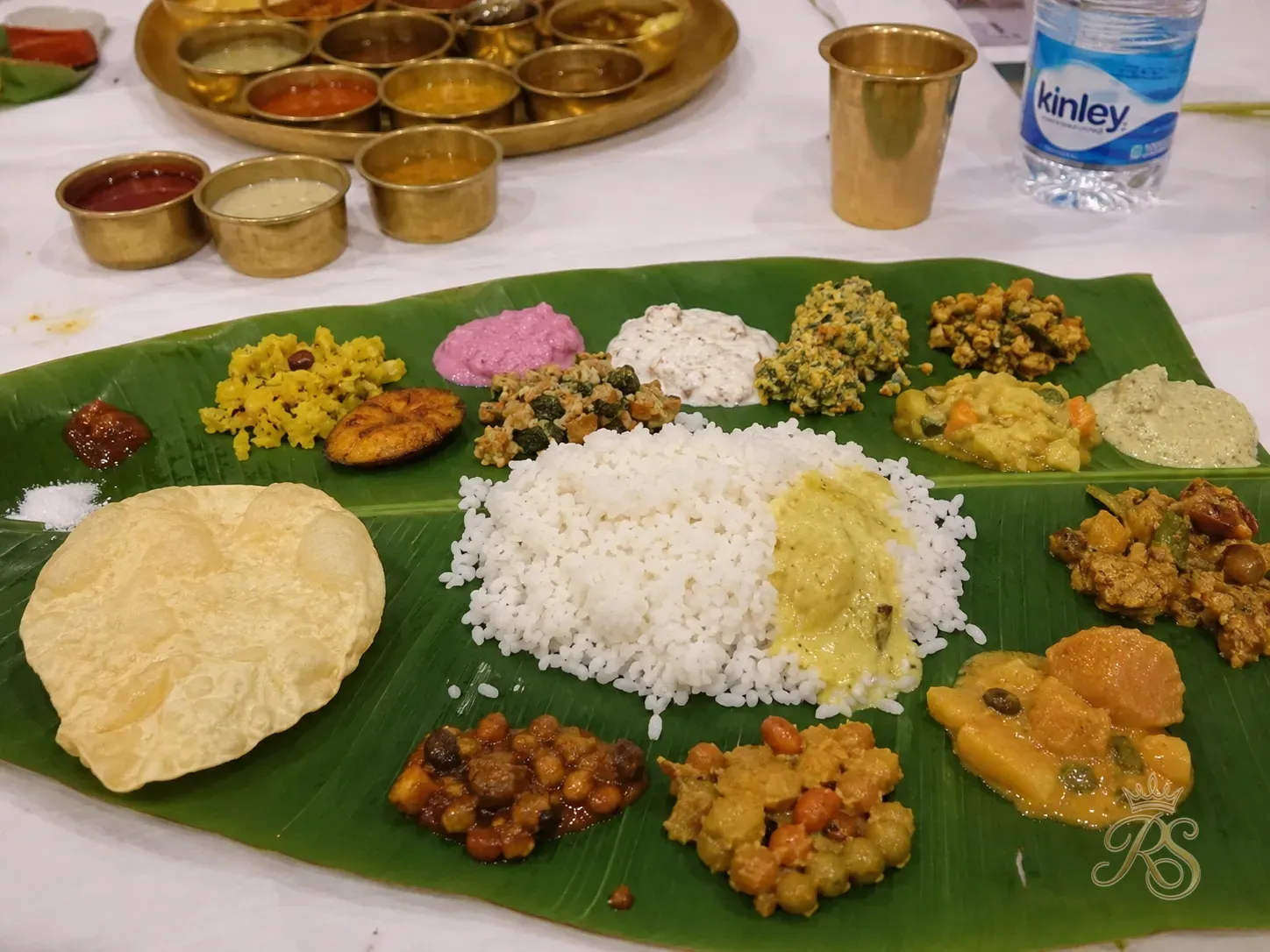
Thali-style serving reduces waste and is more generous per guest.
Bridal & Groom Outfits — Looking Regal on a Budget
The bridal look is the most-photographed thing at any Indian wedding. It does not need to be the most expensive. Some of the most stunning bridal looks we have ever seen at Royal Shaadi came from brides who rented, bought from local weavers, or invested smartly in one signature piece and kept everything else restrained.
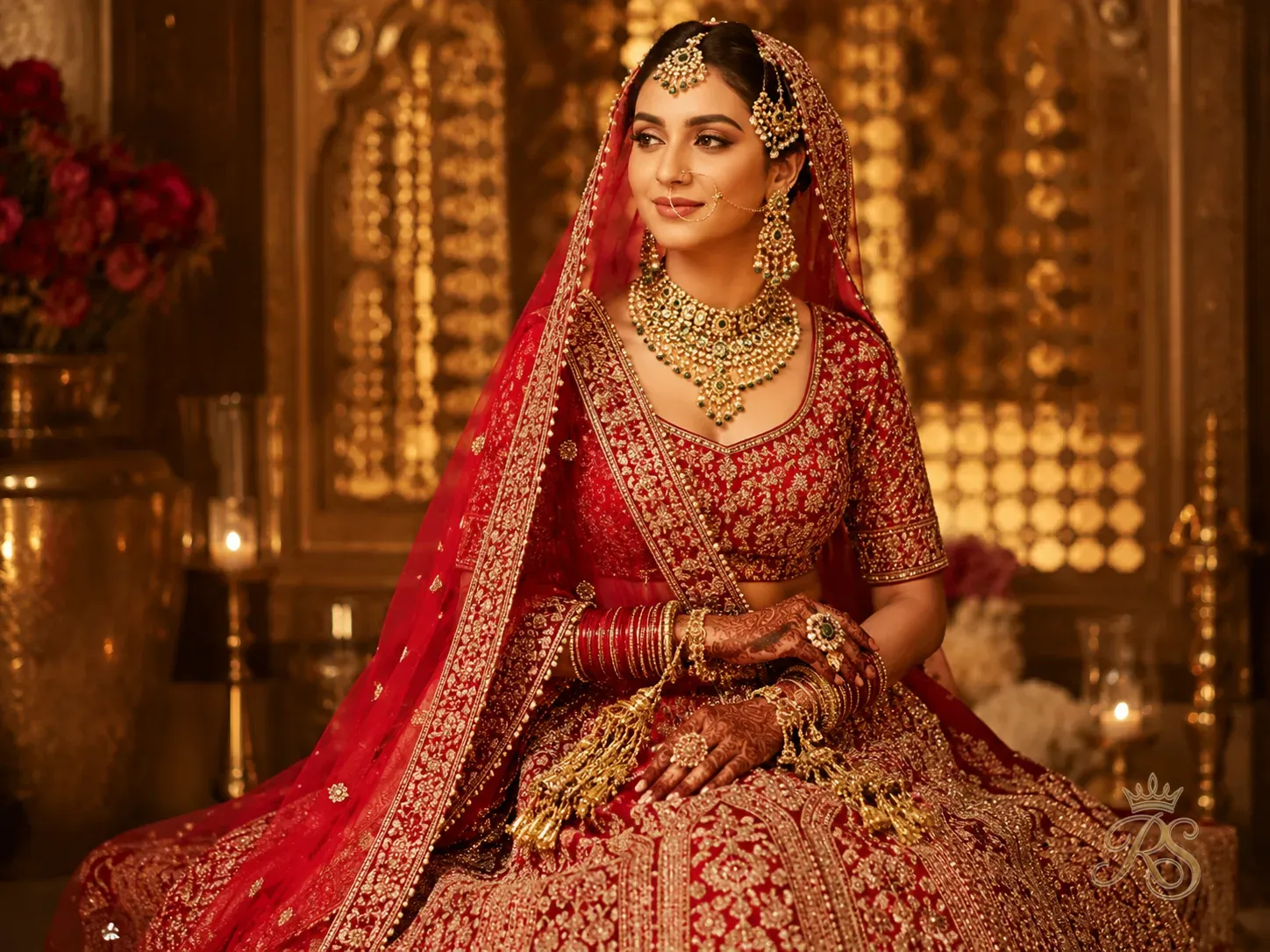
One show-stopping piece. A beautifully crafted lehenga or saree paired with restrained accessorising is more elegant than maximal layering.
Smart Outfit Strategies
- Rent the main bridal outfit: Designer rental platforms have transformed the market. You can wear a ₹3–5 lakh lehenga for ₹40,000–80,000. The photographs look identical.
- Buy directly from weavers: If visiting Rajasthan or Varanasi, purchasing textiles directly from master weavers — Banarasi silks, Bandhani, Zardozi work — gives you heirloom pieces at wholesale prices.
- Mix and match heirlooms with new pieces: Your mother's or grandmother's jewellery worn with a new outfit creates a deeply personal and visually stunning look.
- Limit to two outfit changes per event: Multi-outfit changes are a significant cost. Two well-chosen looks per event create more photographic variety than three rushed ones.
- Groom's sherwanis: High-quality sherwanis are available for rent across major cities at 30–50% of purchase price. Custom tailoring from a skilled local tailor can also be extraordinary value.
Photography & Videography — Don't Cut Here
Here is a category where "budget" requires nuance. Your wedding photographs and video are the only things that outlast the celebration. They are what you show your children. It is one area where choosing the cheapest available option tends to deliver the most lasting regret.
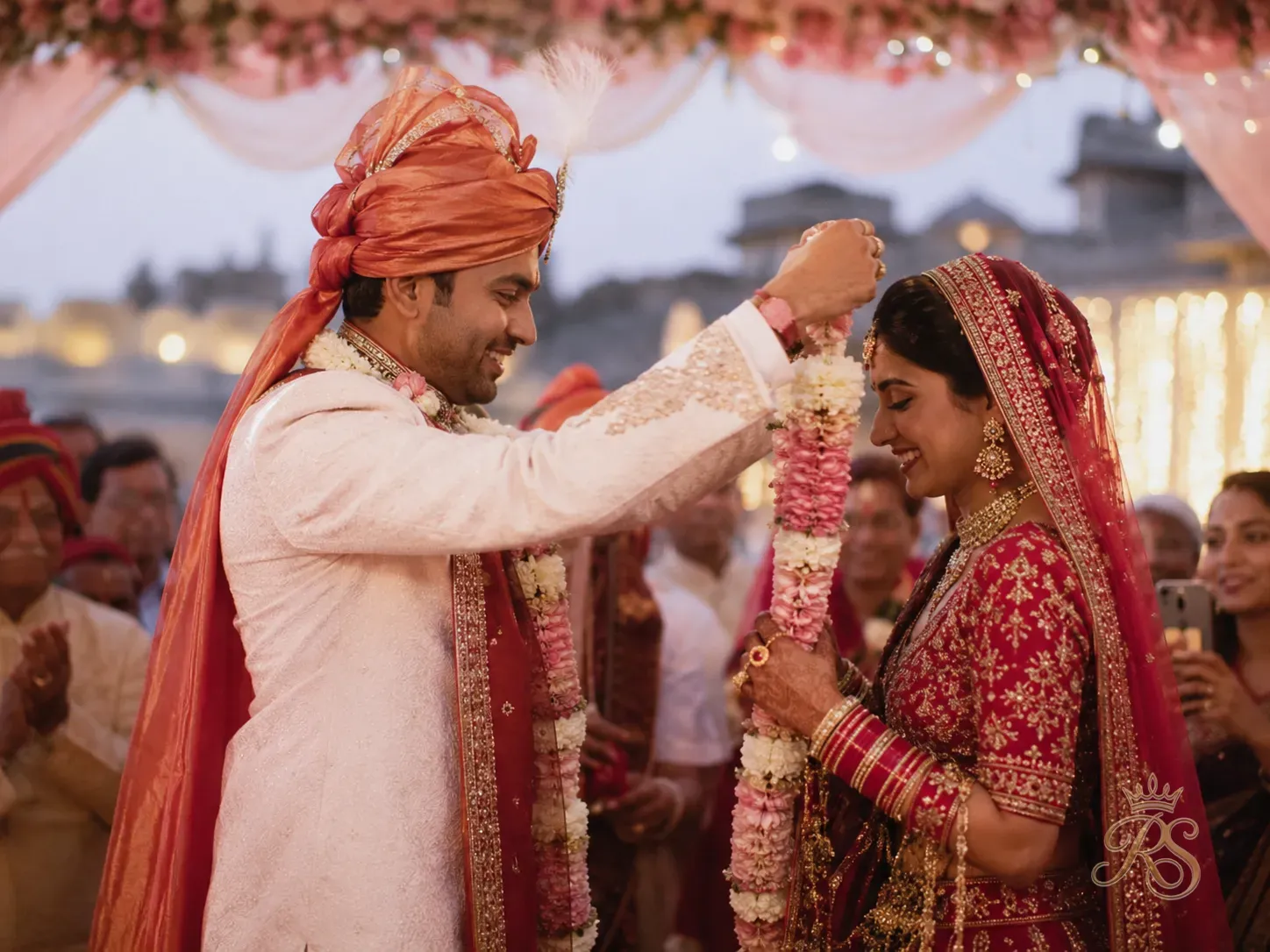
Candid over formal. Documentary-style wedding photography captures the real emotion of your wedding. Ask to see full galleries, not just highlights.
How to Get Great Photography Without Overpaying
- Hire emerging talent: Photography students and recent graduates from reputable programs in Delhi, Mumbai, and Bengaluru are producing stunning work at ₹40,000–80,000 for full-day coverage. Look for consistent portfolio quality, not just one jaw-dropping shot.
- One photographer, one videographer: You do not need a team of six. A skilled solo photographer with an assistant, paired with a two-person video crew, covers everything.
- Prioritise the pheras: The ritual ceremony is the highest-priority shoot. Sangeet and reception can be covered at a simpler level if budgets are tight.
- Skip drone footage for indoor venues: Drone footage is spectacular for outdoor Rajasthan palace settings. For garden venues and indoor halls, it adds cost without adding much value.
- Pre-wedding shoot locally: Instead of a pre-wedding shoot in Europe or Southeast Asia, a local pre-wedding shoot in your destination city — done well — creates stunning photographs at 20% of the international cost.
Managing Guest Travel & Accommodation
Destination weddings implicitly ask guests to invest time, money, and energy. The more you can do to reduce friction in their experience, the more they will enjoy the celebration rather than manage logistics.
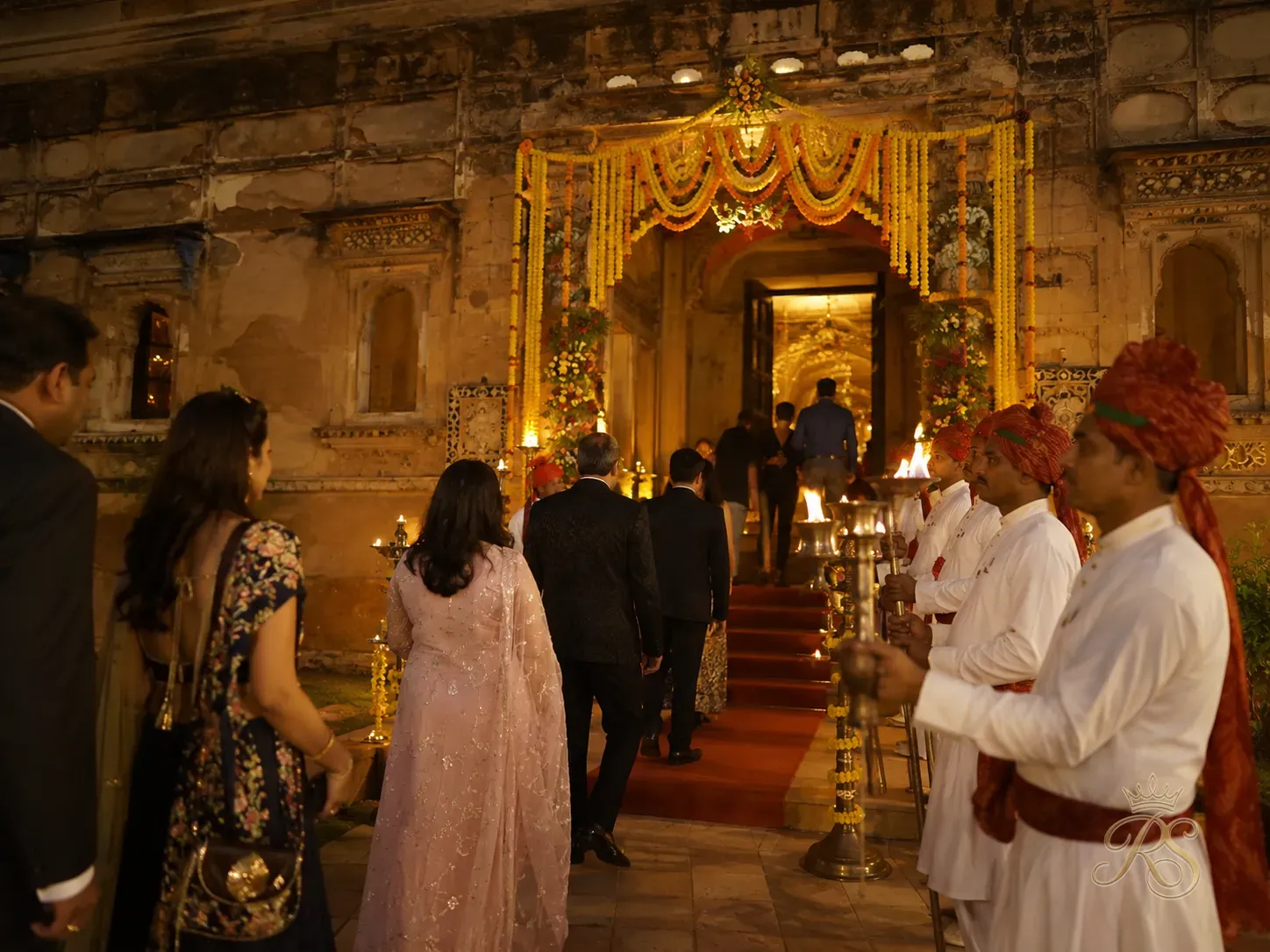
The welcome moment sets the tone. A warm, orchestrated arrival experience signals to guests that the effort of travelling was worth it.
Accommodation Strategy
Block rooms at 2–3 accommodation tiers near your venue. Not all guests have the same budget for rooms. Offer a premium option (the venue itself or a nearby luxury hotel), a mid-range option, and a budget guesthouse. Providing this choice means guests feel respected rather than pressured.
Travel Coordination Tips
- Share train and flight options with booking links at least 6 months in advance — early bookings are significantly cheaper and your guests will thank you.
- Organise group transfers from the nearest airport or railway station to the venue. A hired tempo traveller or bus for 20–30 guests costs far less per head than individual cabs.
- Create a simple WhatsApp group or a free wedding website (Appy Couple, WedMeGood, or Google Sites) with all logistics, directions, accommodation options, and itinerary in one place.
- For senior guests or guests with mobility needs, arrange dedicated point-to-point transport.
If your venue has 30+ rooms, negotiate a room block at a discounted rate for your guests and pass that rate directly to them. Many venues offer this at 20–30% below rack rate for guaranteed bookings. You pay nothing extra; your guests get a better deal.
Choosing Local Vendors — The Smartest Budget Move
Hiring vendors from your destination city rather than flying them in from Delhi or Mumbai is often the single most impactful budget decision after venue selection. Travel, accommodation, and per-diem costs for an out-of-town team can add ₹1–3 lakh to your vendor bill with no increase in quality.
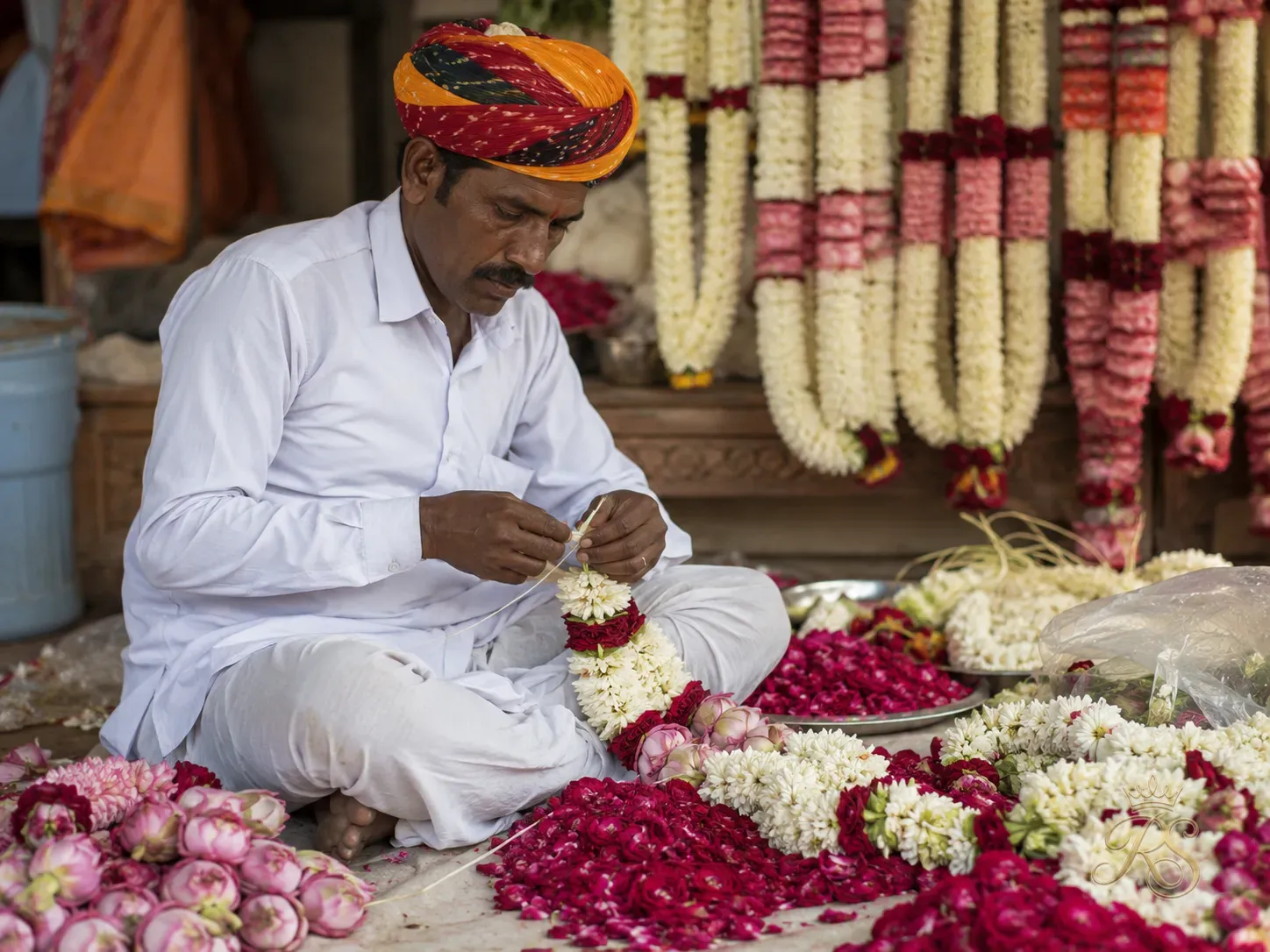
Local floral artists bring cultural knowledge and lower pricing.

A good local planner's vendor network saves more than their fee.
Where to Find Reliable Local Vendors
- WedMeGood, WeddingWire India, and Shaadi.com's vendor section list reviewed vendors by city with verified reviews.
- Instagram hashtag research — search #JaipurWeddingPhotographer or #GoaWeddingDecor to find active local vendors with real portfolio work.
- Your venue's in-house vendor list — venues often maintain relationships with reliable local partners. Ask for their "approved vendor list" as a starting point.
- A local wedding planner who operates in your destination city will have tested vendor relationships and can negotiate on your behalf.
The Case for a Local Wedding Planner
Many couples skip a wedding planner to save money, then spend more by making avoidable mistakes. A good local planner in Jaipur, Goa, or Udaipur typically charges ₹1–3 lakh for end-to-end coordination. They save this in vendor negotiations alone, and they prevent the expensive emergencies that come from not knowing local suppliers, local customs, and local logistics.
Invitations, Welcome Kits & Guest Gifting
Thoughtful stationery and welcome gifting communicate care to your guests. This does not require spending a lot — it requires spending personally.
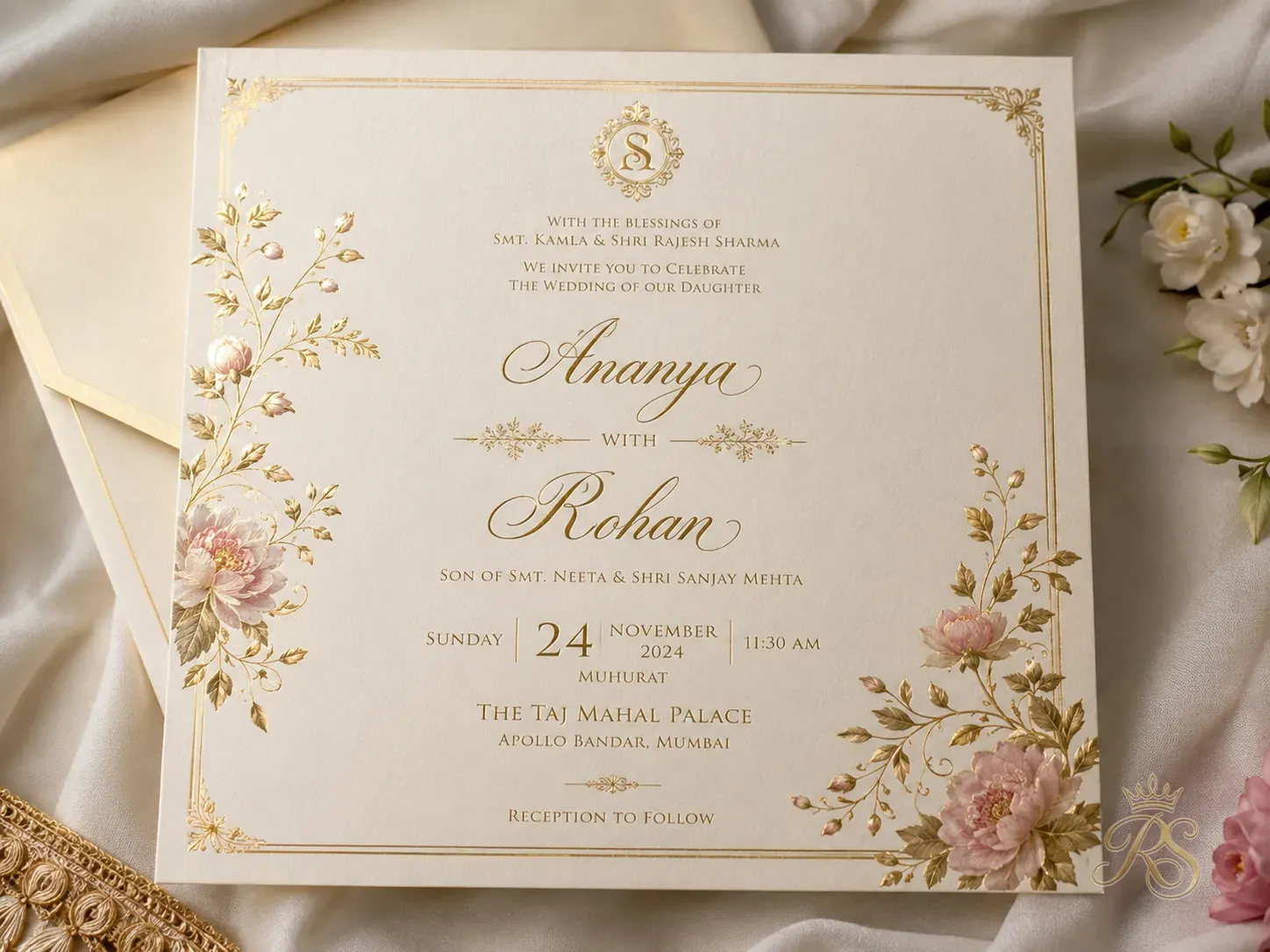
Physical invitations for key guests; digital for the broader list.

A curated local welcome kit is more memorable than generic gifting.
Smart Stationery
- Send elegant digital invitations to 80% of guests and reserve handcrafted physical invitations for immediate family and closest friends. This alone can save ₹30,000–80,000.
- Platforms like Canva, Templett, and local design studios on Fiverr produce stunning digital invitations at ₹2,000–8,000 for a full suite.
Welcome Kits That Guests Actually Love
Instead of generic gift boxes with branded merchandise, curate a welcome kit that celebrates your destination:
- Rajasthan: local mishri (crystallised sugar), rose water sachets, miniature block-print pouches, and a handwritten itinerary card.
- Goa: local bebinca sweet, cashews, a small bottle of local feni or kokum juice, and a map of the beach venues.
- Kerala: banana chips, Malabar chai mix, a small bottle of coconut oil, and a handwritten welcome note in Malayalam script.
These kits typically cost ₹400–800 per guest — far less than branded merchandise, and infinitely more memorable.
The 12-Month Planning Timeline
A destination wedding requires more lead time than a local wedding. Use this month-by-month guide to stay ahead of decisions and avoid panic spending as the date approaches.
- 12 months out: Decide on the destination and rough guest count. Set a total budget. Research 3–5 venues and book site visits.
- 11 months out: Visit shortlisted venues. Finalise and book your venue. Pay the deposit.
- 10 months out: Shortlist and book your photographer and videographer. They book up fast.
- 9 months out: Share save-the-date cards (digital is fine). Share accommodation options with guests. Start bridal outfit research.
- 8 months out: Book your local wedding planner (if using one). Begin vendor outreach for décor, catering, and entertainment.
- 7 months out: Finalise and book the caterer. Lock décor theme and colour palette. Begin invitations design.
- 6 months out: Send formal invitations. Confirm accommodation room blocks. Book group travel/transport for guests.
- 5 months out: Trial bridal hair and makeup. Book make-up artist. Finalise bridal outfit and begin alterations.
- 4 months out: Plan the sangeet and mehendi functions in detail. Book entertainers (DJ, live musicians, dhol players).
- 3 months out: Final décor mood board approval. Confirm all vendor contracts and payment schedules.
- 2 months out: Collect guest RSVPs. Finalise catering headcount. Pre-wedding shoot.
- 1 month out: Final venue walkthrough. Confirm all logistics. Prepare welcome kits. Brief your wedding day coordinator.
- Week of wedding: Arrive 2 days early. Final vendor briefings. Pre-set décor check.
Budget Mistakes to Absolutely Avoid
After years of covering Indian destination weddings at Royal Shaadi, we have seen the same mistakes made repeatedly. Here is what to avoid.

Budget creep is real. Every "small addition" comes with a vendor who says "it won't cost much more." Get every price in writing before saying yes.
- Not reading vendor contracts carefully. Surprise charges for generator rentals, parking, late-night fees, and cleanup can inflate final bills by 20–30%.
- Inviting too many people. Every additional guest adds to catering, accommodation, gifting, and transport costs. A smaller, more intimate guest list almost always creates a better experience — and a better budget.
- Booking the cheapest photographer. This is the one place where the lowest price consistently delivers the most regret.
- Not building a contingency buffer. Allocate 10–15% of your total budget as a contingency. Something always costs more than planned.
- Leaving everything to the last six months. Venue rates and preferred vendor availability are significantly worse if you start planning less than 9 months out.
- Forgetting to budget for the honeymoon. After the wedding, couples often find they have exhausted the budget and cannot afford the honeymoon they imagined.
- Flying in every vendor from your home city. Travel, accommodation, and per-diem costs for a full vendor team from Mumbai or Delhi can cost more than the vendors themselves.
Your Dream Wedding Is Closer Than You Think
A destination wedding in India is not a luxury reserved for the ultra-wealthy. It is a celebration that — with smart timing, local vendor relationships, a clear budget hierarchy, and a willingness to personalise over-genericise — is within reach for a much wider range of couples than most people believe.
The most beautiful weddings we have featured at Royal Shaadi were not always the most expensive ones. They were the ones where every decision was made with intention. The couple knew exactly what mattered to them and their guests, spent generously there, and let go of everything else without guilt.
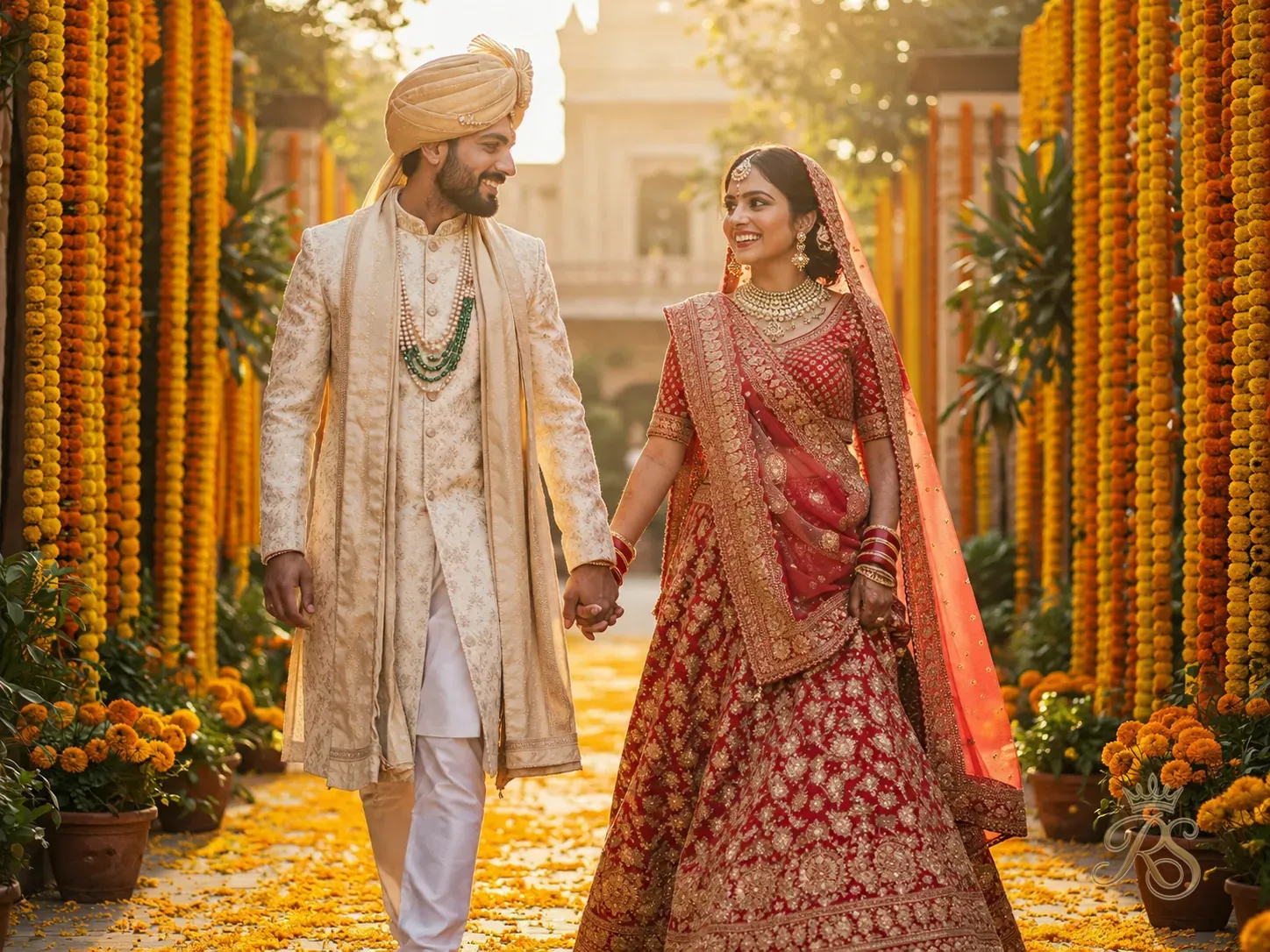
The wedding you will remember is the one that felt like you — not the one that looked most like a magazine.
Start with your destination, set your non-negotiables, build your budget honestly, and let the rest flow from there. India will meet you more than halfway.
"The best destination wedding budget is the one that leaves you with memories worth ten times what you spent — and a honeymoon you can actually afford."